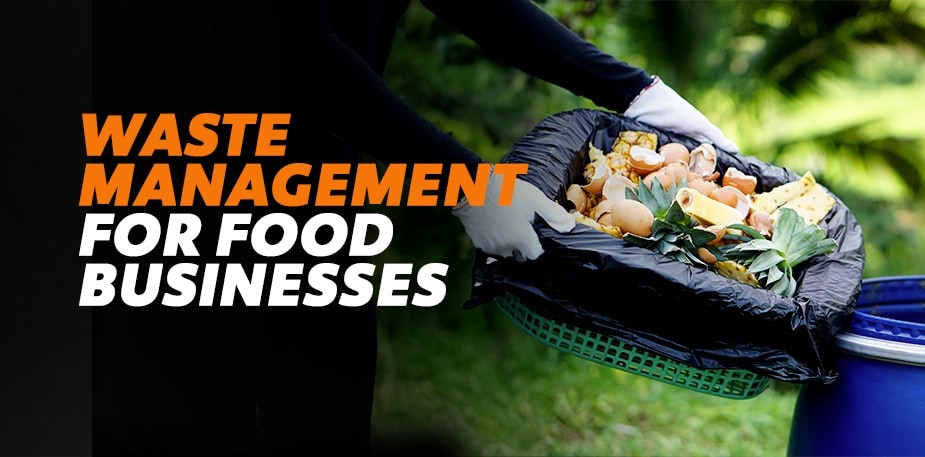
In any food business, waste segregation plays an important role in keeping operations efficient and up to standard. Every kitchen produces waste, but how it’s handled determines the order and harmony of the workspace. Implementing a waste segregation system also shows accountability. It’s a sign that you care about your people and the place you operate in.
What Is Waste Segregation?
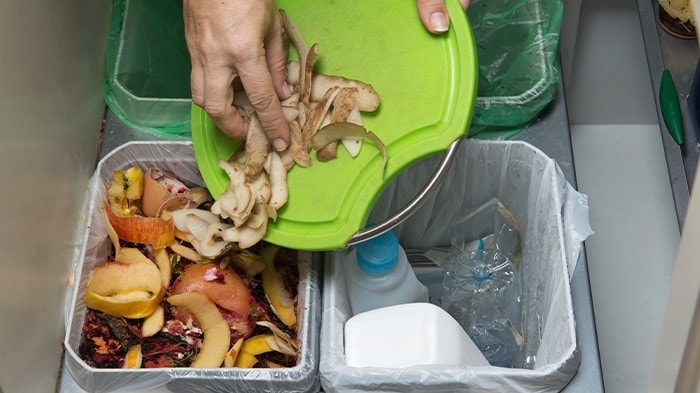
Waste segregation is the process of separating waste materials based on their type and the proper way to dispose of them. In food businesses, this involves sorting organic matter like leftovers or vegetable peels apart from plastics, paper, glass, and hazardous items.
Segregation is most effective when done at the source – right where the waste is generated. This involves keeping color-coded bins and clear labels within easy reach of kitchen staff. Over time, consistent waste segregation keeps the kitchen cleaner and easier to manage.
Types of Waste Segregation
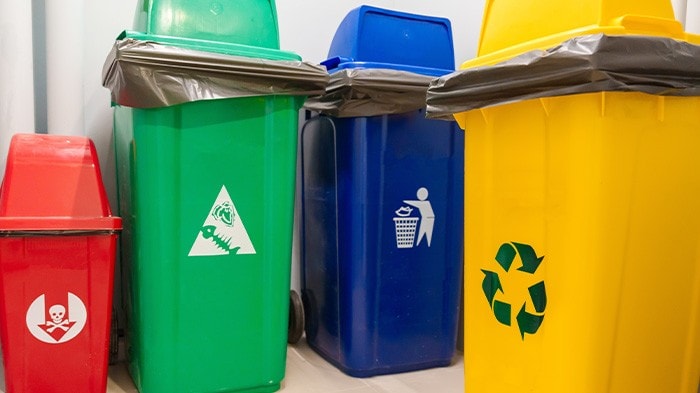
Under the Philippines’ Ecological Solid Waste Management Act of 2000 (RA 9003) and the Department of Environment and Natural Resources (DENR) guidelines, kitchens must sort waste at the source and label containers according to their disposal pathway. At minimum, bins should be marked compostable, recyclable, non-recyclable, and special waste (hazardous). Many LGUs also classify residual waste as materials that cannot be composted or recycled.
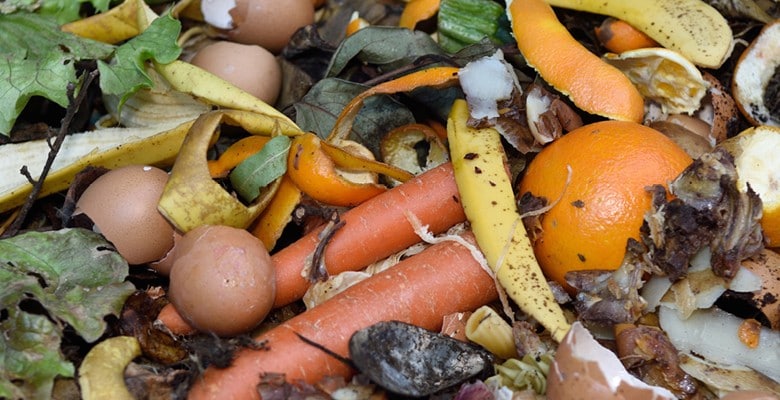
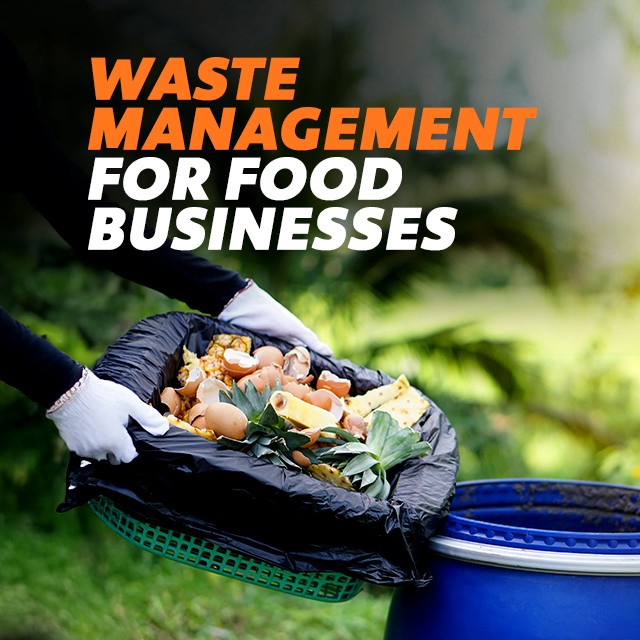
- Compostable or biodegradable waste: Includes food scraps, fruit peels, coffee grounds, vegetable trimmings, and other materials that break down naturally. Direct these to composting or organics recovery.
- Non-biodegradable waste: Covers plastics, cling wraps, and other synthetic materials that can’t decompose and are not acceptable to your recycler. Keep them separate for proper collection.
- Recyclable waste: Refers to glass bottles, metals cans, clean paper, cardboard, and select plastics that your hauler accepts. Store clean and dry for pickup or sale.
- Residual waste: Consists of non-recyclable, non-compostable items like used tissue, laminated sachets, and contaminated packaging. These are usually collected for safe landfill disposal.
- Special or hazardous waste: Includes used cooking oil, cleaning chemicals, batteries, and spent light bulbs. These materials require specialized handling and disposal services.
The Importance of Waste Segregation in Food Businesses
Waste segregation goes beyond keeping a kitchen clean. It can also affect your finances and brand reputation. Remember, how you handle waste reflects the kind of operation you run.
1. Protects the environment
Proper kitchen waste disposal keeps harmful materials from polluting waterways or piling up in landfills. When kitchens compost biodegradable waste instead of dumping it, they lower methane emissions and help reduce their overall environmental footprint.
2. Keeps your customers safe
Clean kitchens with proper waste segregation prevent contamination and discourage pests. By ensuring every item is sorted and stored properly, the business serves food that’s safe and fresh.
3. Reduces operational costs
By reducing food waste through composting and reuse, kitchens spend less on disposal supplies and cleaning materials. Separating oil and compostables also prevents clogs and equipment damage that often lead to expensive maintenance.
4. Ensures compliance with local regulations
The DENR and local government units require establishments to practice proper waste segregation under RA 9003. Following these guidelines protects your business from fines or closure orders.
5. Improves workflow and productivity
A clear waste segregation system keeps kitchen traffic smooth and organized. When bins are properly placed and labeled, staff can move faster and avoid confusion during busy hours. Less clutter means having a kitchen that runs like clockwork.
6. Builds a positive brand image
Today’s diners notice how businesses act beyond serving good food. Practicing waste segregation reflects genuine care, building trust with customers who value responsibility.
How Mismanaging Waste Segregation Can Cost You
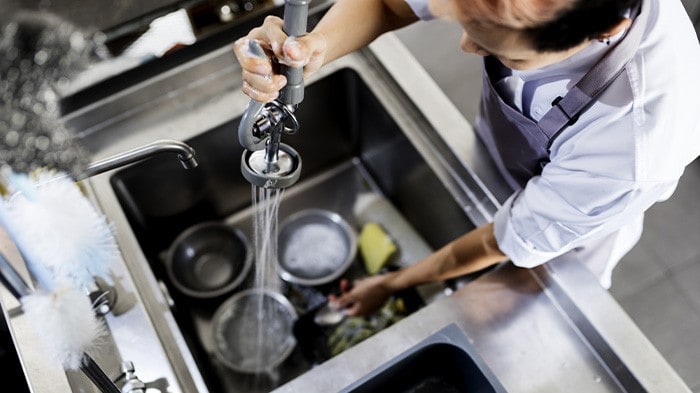
Improper waste segregation can lead to financial and operational problems. Failing to separate waste types invites pests, creates foul odors, and compromises food safety. Over time, neglecting segregation leads to clogged drains and plumbing damage that demand costly repairs.
Repeated violations may also result in revoked permits or a loss of customer trust. Even small lapses in your waste segregation system can quickly escalate into larger issues that put your business at risk of closure.
Why Waste Segregation Is a Business Advantage
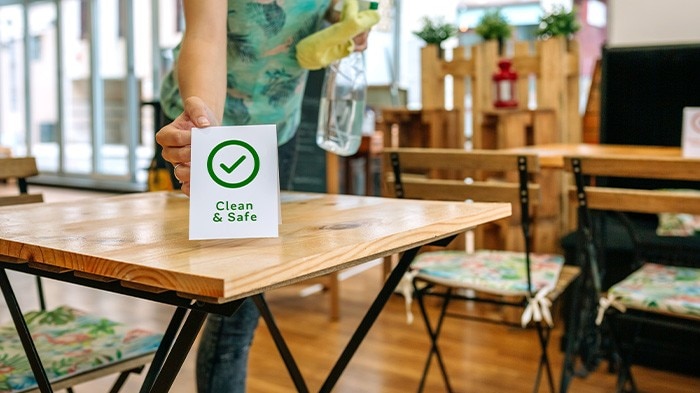
Practicing waste segregation isn’t just about being eco-friendly because it’s trendy. It’s a smart business move that brings lasting value. Food businesses that keep operations clean and organized often enjoy smoother workflows and lower costs.
Sustainability also motivates people. When employees see that their workplace values cleanliness and community responsibility, they take greater pride in what they do. That pride reflects in the quality of service customers experience.

Free Knorr Professional Healthy Cookbook!
Download our eBook to get the latest tips on and inspiration for nutritious dishes to add in your food business!
How to Handle Kitchen Waste Segregation Efficiently
Your kitchen generates waste daily, but effective waste segregation keeps it under control. Here’s how to manage it efficiently:
Don’t shop in bulk
- Buying in volume only works if your business consumes items quickly. Overstocking leads to spoilage and expired ingredients end up in your waste bins.
- Assess your sales trends before purchasing in bulk to avoid unnecessary waste.
Manage your inventory
- Track what goes in and out of storage to maintain accuracy.
- Follow the FIFO (First In, First Out) system so older stock is used first, minimizing spoilage.
Donate leftover food
- Coordinate with nearby charities and organizations to repurpose safe, excess food.
- Always check expiration dates to ensure safety.
Design a flexible menu
- Offer options that allow customers to choose meal components. A simple question like “Would you like fries with that?” prevents food from going to waste.
- Regularly review menu items that generate the most leftovers and adjust portions or recipes accordingly.
Compost your food waste
- Set aside a compost bin for fruit and vegetable trimmings.
- Participate in composting programs within your community.
Track product expiration dates
- Keep a detailed record of all incoming ingredients.
- Use or rotate items with shorter shelf lives first to prevent spoilage and unnecessary waste.


What Food Business Owners Can Do

For a waste segregation program to succeed, commitment must come from the top. Business owners set the tone for how employees view cleanliness and responsibility in the workplace. Here are practical ways to strengthen your kitchen’s waste segregation efforts.
1. Create a dedicated waste segregation team.
Assign a person or small team to monitor waste segregation efforts daily. This ensures accountability and provides visibility into what types of waste your kitchen produces most. Conducting regular waste audits helps identify inefficiencies, like overproduction or poor storage practices, allowing you to adjust purchasing or menu plans accordingly. Over time, this creates a culture of responsibility among your staff.
2. Educate and train your staff.
Employees handle most of the sorting, so training is essential. Conduct regular sessions on how to separate waste correctly and explain why it matters. Encourage feedback and suggestions from staff to improve the system.
3. Invest in quality equipment and tools.
Durable, well-labeled bins make segregation effortless. Use color-coded containers that follow local standards: green for biodegradable, yellow for recyclables, red for hazardous, and black for residual waste. Regularly maintain kitchen tools and appliances to minimize waste from accidents or faulty equipment.
It’s Never Too Late to Start Waste Segregation
Starting a waste segregation system might seem like a small step, but it has lasting benefits. Cleaner kitchens, lower disposal costs, and a stronger reputation all begin with the simple act of sorting waste correctly.
The more consistently your business practices waste segregation, the more efficient and sustainable your operations become. Take the initiative now; every mindful effort adds up to a cleaner kitchen and a better environment. It’s a win-win!









.jpg "Filipino-Style Fabada (Pork and Beans Stew)")