
Being in a tropical country requires effective ways to beat the heat. One tried-and-tested option has always been to gravitate towards fresh, colorful dishes that go through minimal or no cooking rather than hearty, heavy, and slow-cooked meals. The former also requires much less time in a hot kitchen, while the latter can only exacerbate the heat. Different types of fish and seafood are usually top of mind for many consumers. They paint images of lounging on a beach and taking a breather from the sweltering sun.
Add different types of fish and seafood to your menu to cater to such demands. If you own a Japanese or Western eatery, then you are lucky because raw fish can easily blend into your menu. If you serve a different cuisine, add perhaps one or two of these kinds of dishes for variety. Raw fish also gives your restaurant a premium touch since it demands only the freshest, top-quality ingredients.
The best part for any restaurant owner? Most of these tropical menu items require little prep and kitchen work.
Raw fish dishes are not uncommon in the culinary world. Whether from the West or the East, numerous cuisines all around the globe have variations that highlight different types of edible fish. For the uninitiated customer, picking out a raw fish or seafood dish from a menu can cause hesitancy. However, the role of every chef is to ensure that the type of fish used is edible, its preparations meet safety standards, and only a delicious masterpiece comes out of the kitchen.
Types of Fish to Eat
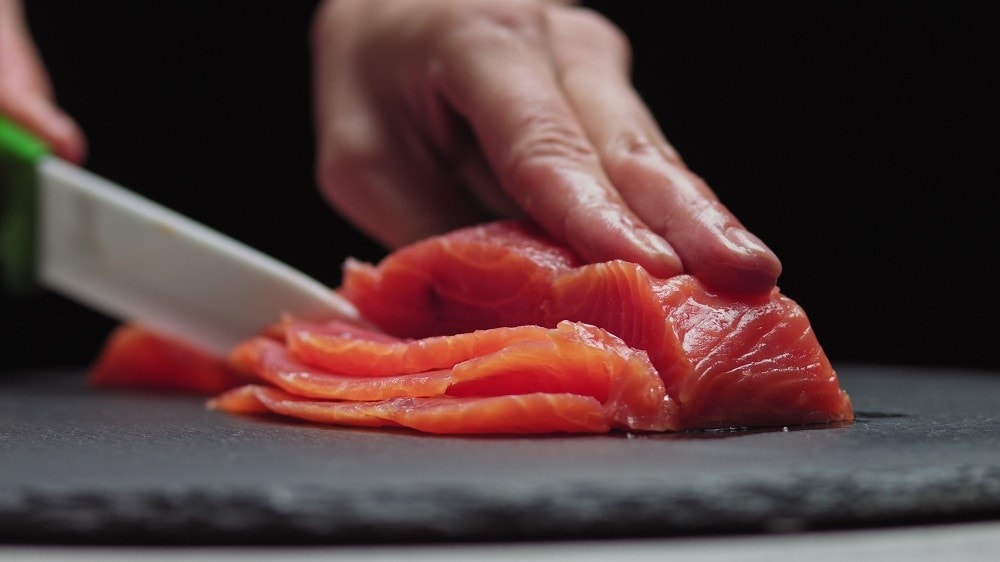
Many types of fish can be consumed raw or cooked with minimal heat. Check and choose high-quality types of edible fish to ensure that you are keeping guests safe and away from food-borne illnesses.
Generally, firm or semi-firm and lean types of fish are best to be consumed raw. These allow for the proper absorption of sauces and marinades without disintegrating the structure and texture of the fish. No one would enjoy eating mushy raw fish cubes. While color is not a necessary consideration, white fish are more versatile for cooking. They have milder flavor profiles, making them more adaptable to various sauces. Avoid delicate and oily types of fish for these dishes.
Here are the different types of edible fish to use in raw dishes:
- Mackerel or Spanish mackerel
- Tuna, including yellowfin, bluefin, bigeye, and skipjack
- Salmon
- Blue marlin
- Halibut
- Tilapia
- Black surgeonfish
- Sea bass
- Sea bream
- Snapper
- Yellowtail
- Swordfish
- Lapu-lapu
- Mahi-mahi
- Trout
- Eel
Other seafood that can be served raw are oysters, clams, cockles, scallops, abalone, shrimp, crab, squid, and octopus. Note that some types of fish, such as pollock and haddock, should not be consumed raw.
How to Choose and Handle Fish

When purchasing fish for your raw dish, make sure to choose those that have been classified as sushi-grade, as these are processed to prevent food-borne illnesses. Sustainably and wild-caught fish are also factors to consider. Non-sushi grade types of fish may be a breeding ground for parasites that cause salmonella, listeria, and Staphylococcus aureus, among others. Here are other tips to bear in mind:
- Buy only from a trusted source or fishmonger who can ensure the high quality and freshness of the fish.
- Often, pre- or flash-frozen fish is better than fresh as these have been pretreated to avoid contamination. Ensure that the packages are kept in ice, undamaged, and free of ice crystals.
- Check the fish by the way it looks and by how it smells to ensure its freshness.
- Fresh fish must be prepared and consumed within 48 hours of purchase to keep bacteria from multiplying when kept in the chiller for a prolonged period. The fish should also not be left on the counter beyond two hours.
- Sanitize hands and all utensils properly. Keep the fish away from other ingredients to avoid cross-contamination.
Preparing and Serving Raw Fish
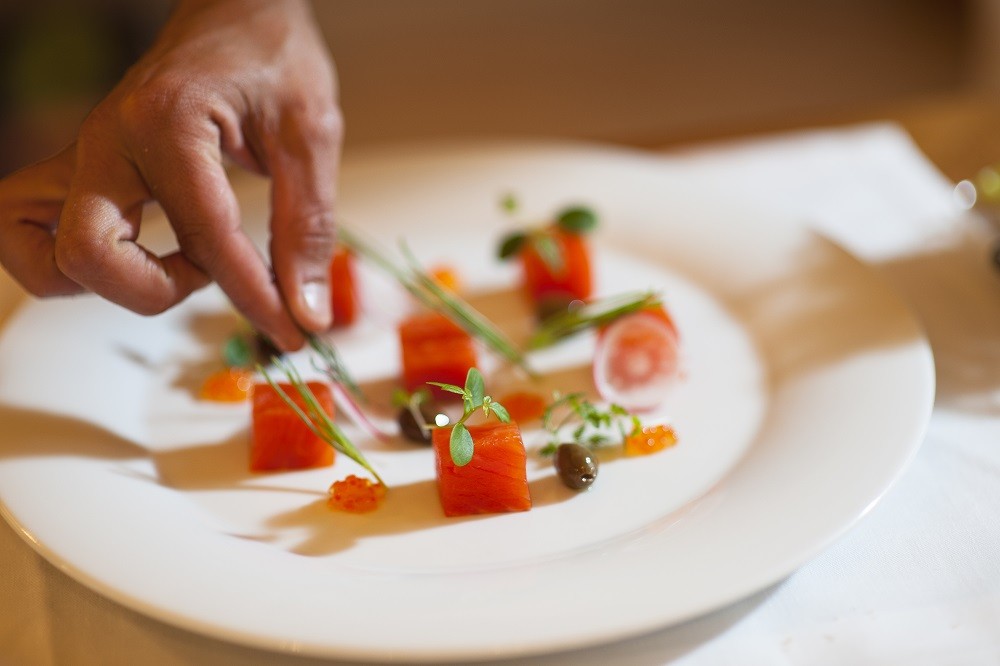
Eating it raw is the best way to fully appreciate high-quality fish, and there are many ways to prepare it to highlight and further accentuate its flavor. In recipes from different cuisines, certain ingredients are used to enhance the fish’s flavor profile, improve its texture, and boost its edibility.
Here are some raw fish dishes that you can add to your menu:
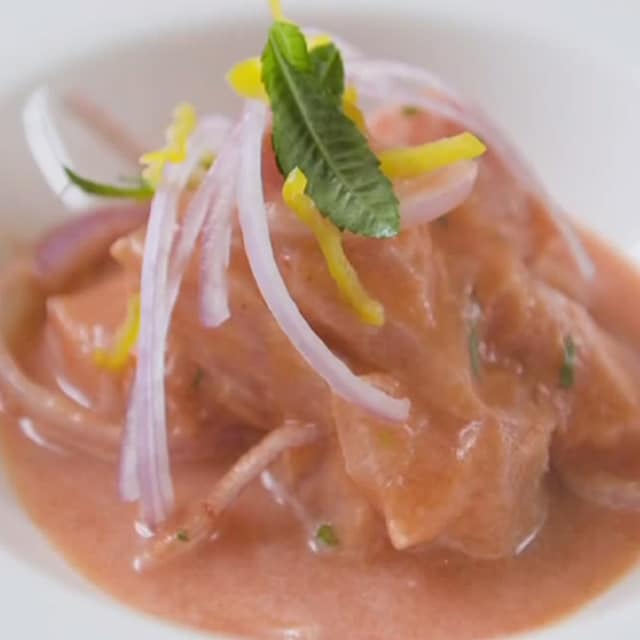
Ceviche
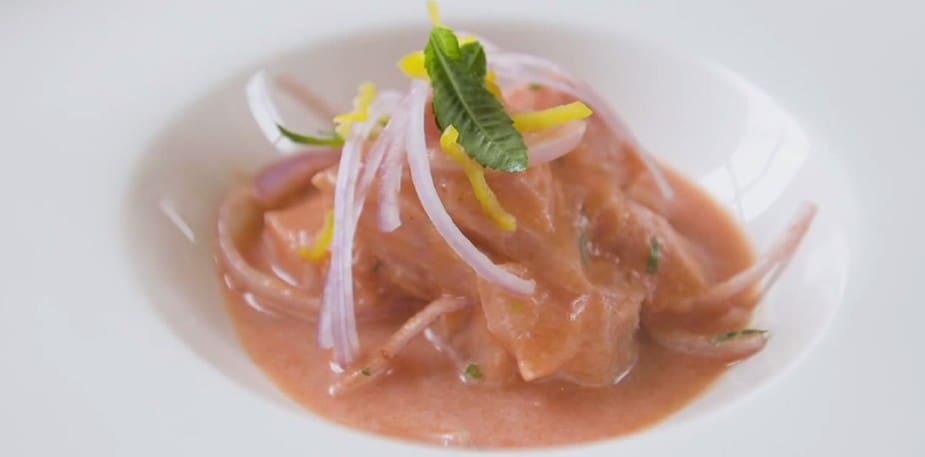
The star of Peruvian cuisine, ceviche is a simple dish of fresh fish marinated in a citrus juice, which aids in lightly cooking the dish and boosting its flavor. Other flavorings like garlic, ginger, chilies, and cilantro, are also added. It’s served with a crunchy side dish such as fried tortillas or crispy plantains. Ceviche traces its roots in the fisherfolk communities of Peru but has easily spread among neighboring nations.
Carpaccio
This classic Italian dish comprises thinly sliced or pounded thin raw meat. Popularly made with beef, carpaccio can also feature different types of fish like sea bass, tuna, and swordfish.
A good fish carpaccio finds no skin or bones attached to the fish meat. The slices are then simply drizzled with flavorings like olive oil, soy sauce, or Knorr Liquid Seasoning to enhance the flavor. An acidic component, such as lemon juice or Knorr Lime Powder, will also balance out flavors. It’s finished with garnishes of sliced onions, capers, and arugula.
Yusheng
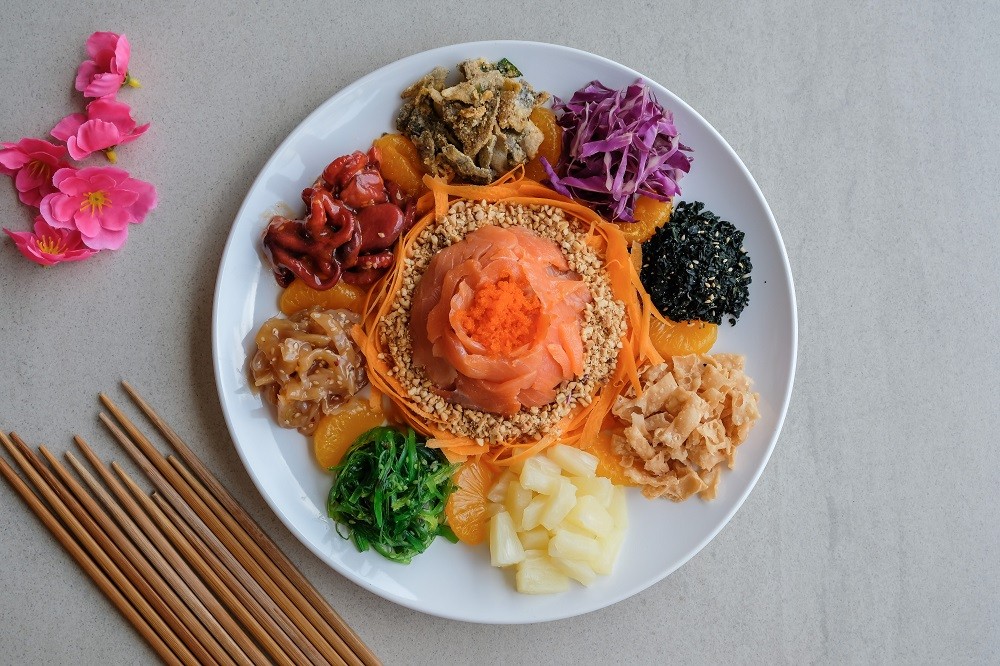
Considered an auspicious dish served during Chinese New Year in Chinese communities in Asia, yusheng is a Cantonese raw fish salad composed of shredded vegetables, herbs, and nuts. It typically comes with a vinegar-based dressing. Some call it Prosperity Toss as it is a tradition for revelers to gather around the table, pick up salad components with chopsticks, and toss them into the air to usher in prosperity.
Kilawin
The Philippines is not to be left out as it also boasts of the kilawin, a classic Filipino dish. It’s a pre-colonial style comprising fresh fish marinated in a mixture of acidic ingredients like vinegar, citrus juices, and fruits. Different regions in the country produce their version of kilawin, which sometimes features green mangoes, calamansi, or tamarind. Some versions also add coconut milk, green chilies, and Knorr Liquid Seasoning.
Sashimi
A cornerstone of Japanese cuisine, sashimi is fresh fish or seafood sliced thinly and served completely unadorned — no rice, no batter, just the ingredient itself. The dish relies entirely on knife skill and the quality of the catch, since there's nowhere for imperfections to hide. Sushi-grade tuna, salmon, yellowtail, and snapper are among the most popular choices, cut into clean, even slices that showcase their natural color and texture. It's traditionally served with soy sauce, wasabi, and pickled ginger, which cleanses the palate between bites and adds a touch of heat without overpowering the fish's flavor. For restaurants looking to signal freshness and premium quality, sashimi is one of the simplest raw dishes to execute well, provided the fish is handled and sourced correctly.
Poke Bowl
Originally a Hawaiian dish, poke has become a global favorite for its customizable, build-your-own-bowl format. It typically starts with cubed raw fish — ahi tuna and salmon are the most common — marinated in a mix of soy sauce, sesame oil, and seasonings like green onions or chili flakes. The marinated fish is then served over a base of rice or greens, topped with a mix of fresh vegetables, seaweed, edamame, and crunchy garnishes like sesame seeds or fried onions. Poke's appeal for food businesses lies in its flexibility: it works as a health-forward menu item, adapts easily to different flavor profiles and toppings, and fits well into the fast-casual, made-to-order dining trend that continues to grow among younger diners.
Ika Mata
This raw fish dish from the Cook Islands can serve as an appetizer or a main dish. Ika mata consists of fresh fish cubes and raw vegetables in a marinade made of coconut milk or cream. Counter its richness with sour ingredients like Knorr Lime Powder or fresh lemon juice.
These raw fish dishes are the perfect treat to refresh appetites and moods. Adding these to your menu will be appreciated by your customers throughout the year.
The many versions worldwide prove how creative you can be with these dishes. Just follow the guidelines above when choosing from different types of fish and use the best ingredients you can work with.
Are you feeling inspired? Grab your favorite types of fish and stock up on Knorr Liquid Seasoning and Knorr Lime Powder to help you balance savory and acidic flavors. And share this article to get more ideas from your colleagues.


What are some raw fish dishes?
Popular raw fish dishes from around the world include ceviche, sashimi, poke bowls, carpaccio, yusheng, kilawin, and ika mata — each using a different technique to prepare and flavor raw fish.
What kind of fish can be eaten raw?
Firm, fresh, sushi-grade fish such as tuna, salmon, snapper, and swordfish are commonly eaten raw. Sushi-grade means the fish has been processed and handled specifically to reduce the risk of parasites and food-borne illness.
What is the Filipino version of raw fish?
Kilawin is the Filipino take on raw fish preparation. It's a pre-colonial dish similar to ceviche, made by marinating fresh fish in acidic ingredients like vinegar, citrus juices, and sometimes local fruits such as green mango or tamarind.
What is the difference between kilawin and ceviche?
Both dishes "cook" raw fish using acid, but kilawin traditionally uses vinegar and Filipino souring agents rather than citrus alone, and often incorporates local ingredients like coconut milk, green chilies, or tamarind — giving it a flavor profile distinct from Peruvian ceviche.
How long should you marinate fish for kilawin?
Marinating time typically ranges from 15 to 30 minutes, depending on the thickness of the fish and how well-done you want the texture to be. Over-marinating can cause the fish to turn mushy, so it's best to check texture periodically rather than following a fixed time.


