Food safety and sanitation influence how customers experience your restaurant, even if they never see what happens behind the scenes. For chefs and restaurant owners, this goes beyond passing inspections. It protects customer trust and keeps service running smoothly. Make safety and sanitation a daily priority so your team follows clear routines and your kitchen stays under control.
Why Food Safety Is Important in Your Kitchen
Understanding why food safety is important helps you treat it as a daily operational standard, not an occasional checklist. In a professional kitchen, every action affects the safety of the food you serve.
● It protects customers from foodborne illnesses.
● It prevents costly complaints and potential legal issues.
● It reduces the risk of product waste and recalls.
● It preserves your restaurant’s reputation.
● It strengthens consistency in food preparation.
● It reinforces accountability within your kitchen team.
When food safety standards weaken, the impact surfaces quickly. Clear procedures for handling and storage keep your kitchen controlled and your customers confident in every meal.
Essential Food Safety Controls for Professional Kitchens
Strong food safety and sanitation systems depend on consistent discipline. These controls define how professional kitchens manage risk before it disrupts service.
1. Proper receiving and storage
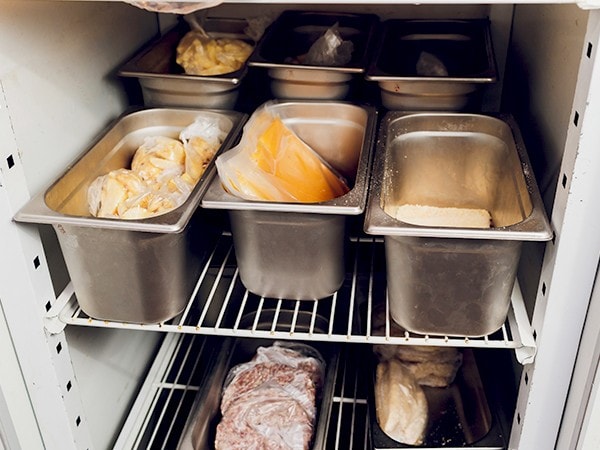
Food safety begins the moment ingredients arrive at your kitchen door. Check deliveries for damaged packaging, signs of spoilage, and proper temperature. Store raw products away from ready-to-eat items and maintain correct refrigeration levels to slow bacterial growth.
2. Controlled food handling
Every touchpoint introduces potential risk. Enforce proper handwashing and require clean, task-specific utensils. Avoid unnecessary contact between raw ingredients and cooked food.
3. Temperature monitoring
Temperature control remains one of the most effective safeguards against foodborne illness. Track cooking, cooling, and holding temperatures using calibrated thermometers. Keep food out of the danger zone between 5°C and 60°C, where bacteria multiply rapidly.
4. Cross-contamination prevention
Design your kitchen with separation in mind. Assign dedicated prep areas and use color-coded chopping boards to distinguish raw meats, seafood, vegetables, and cooked items. Even brief lapses in separation can transfer harmful pathogens.
5. Allergen awareness
Know the allergens present in every dish you serve. Label ingredients clearly and train staff to answer customer questions accurately. Proactive communication prevents accidental exposure and strengthens guest confidence in your menu.
The Importance of Food Sanitation for Businesses
While food safety focuses on how you handle and prepare ingredients, food sanitation addresses the condition of the kitchen itself. These two areas work together.
When you fail to maintain your kitchen environment properly, contamination risks increase regardless of how carefully you handle food. The importance of food sanitation becomes clear in daily operations: unclean surfaces and poorly maintained equipment allow bacteria and pests to spread.
Essential Food Sanitation Practices in Commercial Kitchens
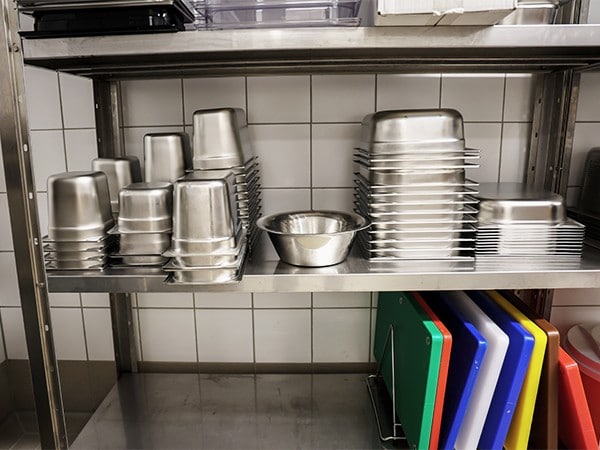
Effective food sanitation systems rely on structured routines and clear accountability. These practices maintain a hygienic workspace and reduce preventable risk.
1. Cleaning and sanitizing food contact surfaces
Wash, rinse, and sanitize prep tables, knives, chopping boards, and equipment at scheduled intervals. Regular sanitation prevents residue buildup and limits microbial growth.
2. Maintaining personal hygiene standards
Require clean uniforms and proper hair restraints during service. Clear hygiene policies reduce the risk of contamination from direct contact.
3. Proper waste management
Dispose of waste promptly and keep bins covered. Well-managed waste areas reduce pest attraction and prevent cross-contamination.
4. Pest prevention and monitoring
Inspect storage and prep areas routinely. Seal entry points and address early signs of infestation before they escalate into larger sanitation issues.
5. Scheduled deep cleaning
Implement structured cleaning schedules beyond daily surface wiping. Periodic deep cleaning preserves hygienic conditions and supports long-term equipment performance.
"A lapse in food safety may cause contamination that can affect the reputation of your business. These topics show you how to ensure that your establishment is safe at all times".
Essential Safety and Sanitation Topics for Food Professionals
Effective safety and sanitation require attention at every stage of your operation. From understanding contamination risks to auditing your systems, each area plays a role in protecting your kitchen.
Explore the following topics to reinforce control across your establishment:
The basics of food safety
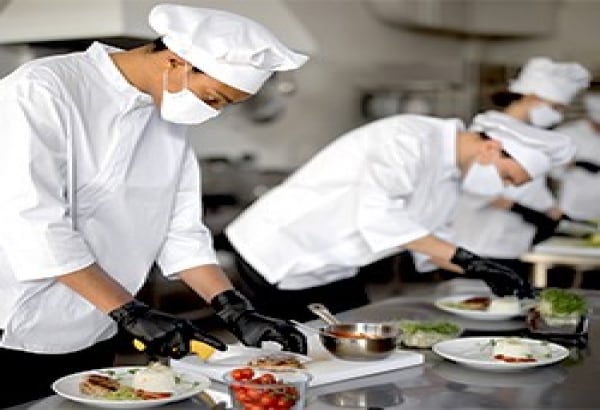
Understand foodborne illnesses, biological and chemical contaminants, and preventive measures that keep them under control. This foundational knowledge strengthens your daily decision-making in the kitchen.
1. Ensuring food safety from truck to table
Food safety begins at sourcing. Learn how to evaluate suppliers, inspect deliveries, manage storage, and handle recalls responsibly.
2. Common culprits of food contamination
Identify everyday mistakes that lead to contamination, including poor personal hygiene, improper attire, and unsafe handling practices.
3. HACCP and 5S models
Apply Hazard Analysis and Critical Control Points (HACCP) and 5S principles to strengthen organization and risk management in your kitchen.
4. Food safety auditing and challenges
Discover how to conduct effective food safety audits, identify gaps in compliance, and overcome common operational challenges in maintaining standards.
Maintaining strong food safety and sanitation practices is not a one-time effort. It requires consistent training, clear systems, and daily accountability across your team. Commit to higher standards in your kitchen to protect customer trust and secure the long-term stability of your business.