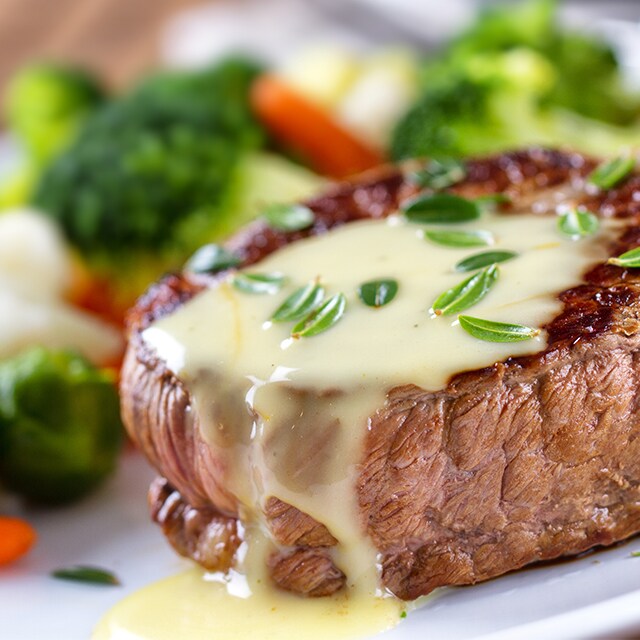
Western cuisine continues to shape restaurant menus worldwide, delivering both familiarity and innovation. It draws on time-honored traditions such as classic sauces, structured plating, and multi-course dining, while also embracing trends that reflect changing diner preferences. This balance of heritage and evolution is what keeps Western food relevant across cultures.
For chefs in the Philippines, understanding these culinary foundations goes beyond knowing recipes. Mastery of Western techniques leads to more inventive menus, smoother kitchen operations, and business strategies that stay competitive in a demanding industry. Western cuisine is not just a collection of dishes; it is a discipline that can elevate both creativity and profitability.
What Is Western Cuisine?
Western cuisine refers to the food traditions and cooking methods that originated in Europe and North America. It spread through colonization, trade, and migration, eventually becoming part of everyday dining in many countries. Today, these influences are seen in restaurants worldwide, from fine dining establishments to casual eateries.
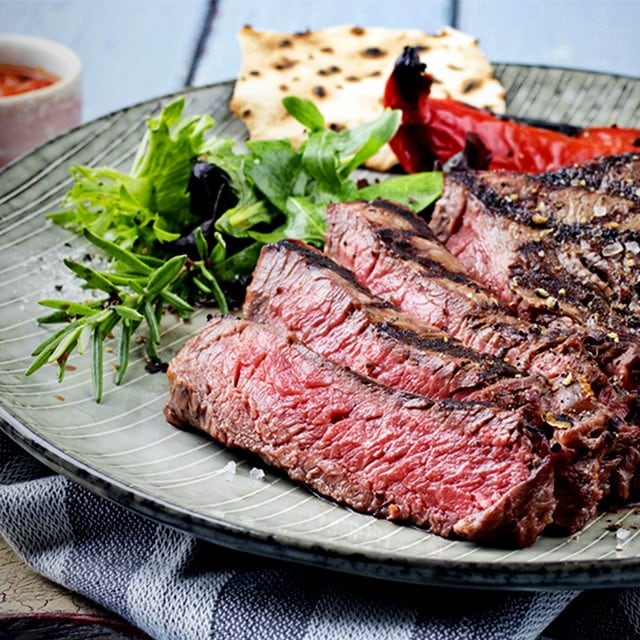
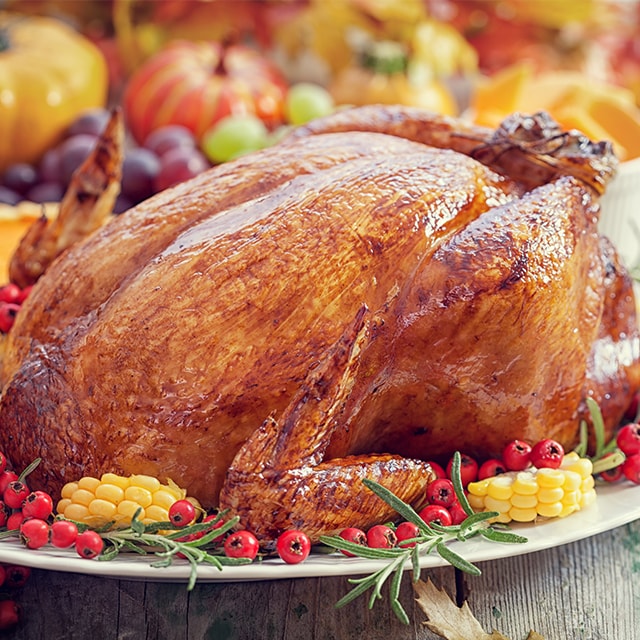
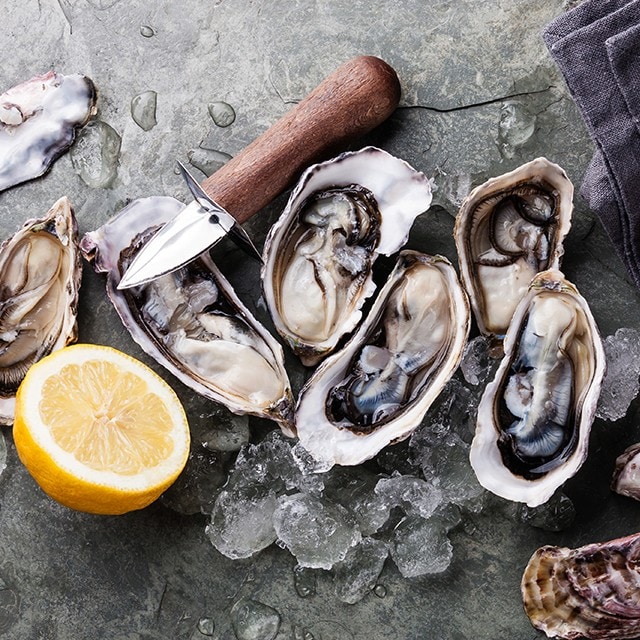
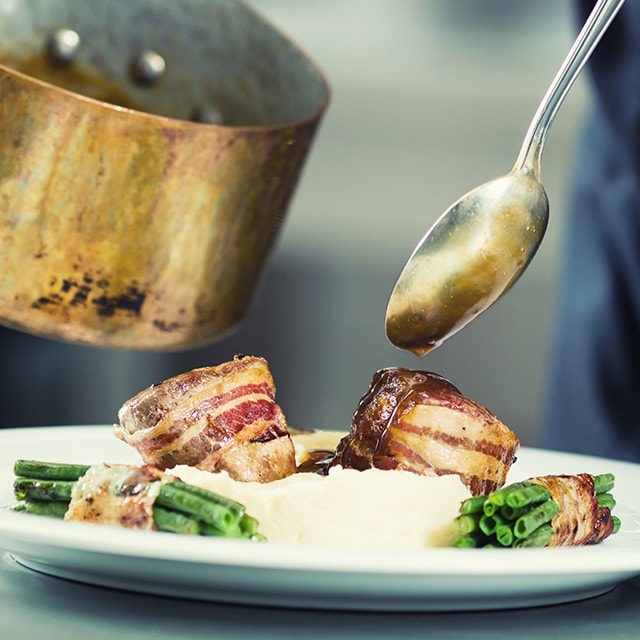
Some of the most recognized Western food examples include pasta, steak, roasted meats, soups, salads, breads, and a wide range of pastries. These Western dishes often highlight balance on the plate, with a central protein supported by starches and vegetables. A typical Western cuisine main dish is built on three essential elements:
● A protein such as beef, pork, poultry, or fish
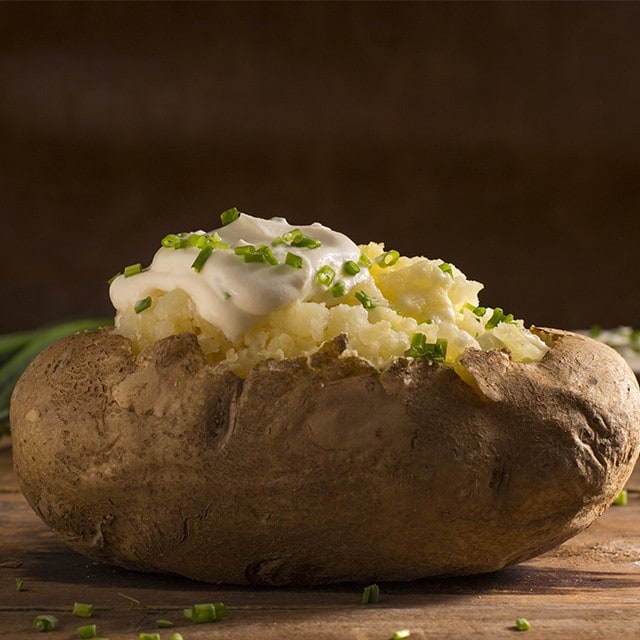
● A starch such as potatoes, pasta, or rice
● Vegetables, whether roasted, steamed, or served fresh in a salad
This balance extends to the Western cuisine menu, which traditionally follows a three-course structure of starter, main dish, and dessert. In the Philippines, this format appeals in many dining settings. Lunch sets in cafés offer a complete meal in one order, while hotels use the course system for formal banquets. Restaurants also feature it for birthdays, business dinners, and other celebrations where diners expect a well-rounded dining experience.
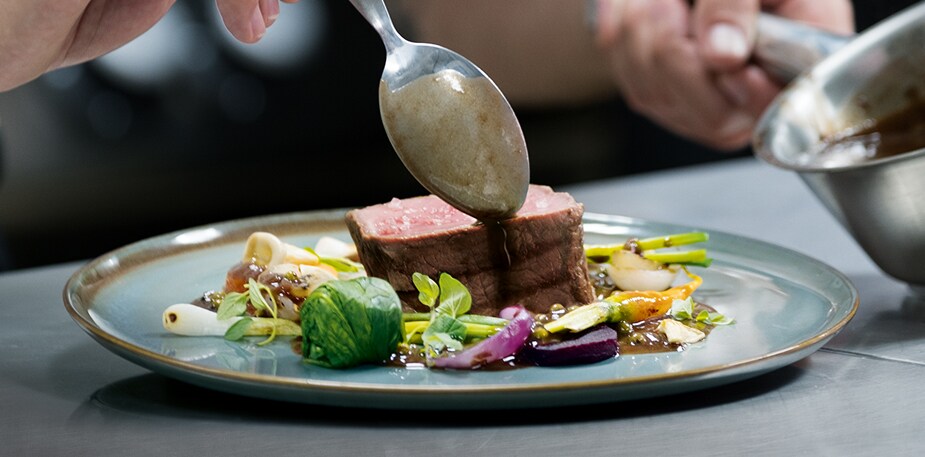
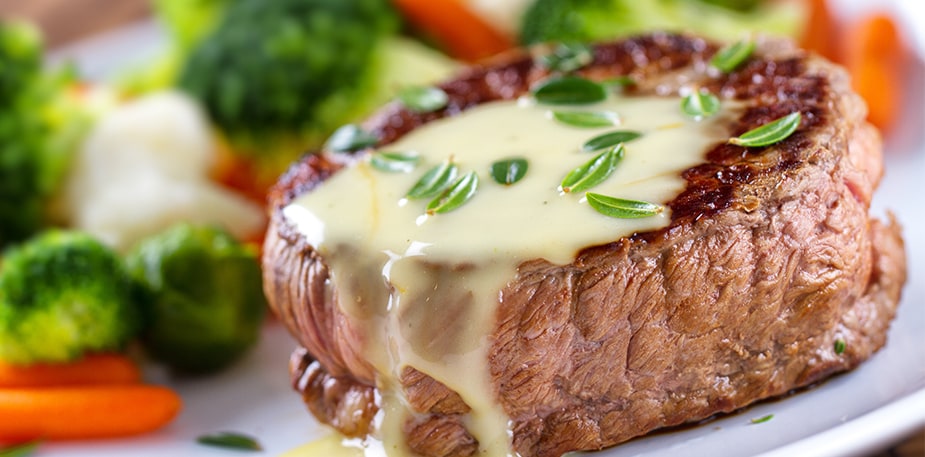
Western cuisine is also known for its distinct flavors and presentation. Rich sauces, creamy textures, and the use of butter, cheese, and herbs give many dishes depth and aroma. Proteins are often roasted, grilled, or pan-seared for bold, savory notes, while vegetables and starches balance the plate with freshness and texture. Presentation highlights structure and color contrast: golden-brown meats beside bright vegetables and carefully arranged sides. Together, these elements make Western dishes both visually appealing and satisfying.
The Foundations of Western Cuisine
Understanding the foundations of Western cuisine gives food businesses the tools to adapt dishes, build new flavor profiles, and keep menus versatile. These building blocks have stood the test of time while continuing to evolve with modern dining trends.
The mother sauces

One of the defining features of this cuisine is its use of five “mother sauces” developed by Auguste Escoffier: béchamel, espagnole, velouté, hollandaise, and tomato. These serve as the base for countless variations, from creamy mushroom sauce to red wine reduction. For chefs, mastering these classics ensures both versatility and efficiency when creating new Western dishes.
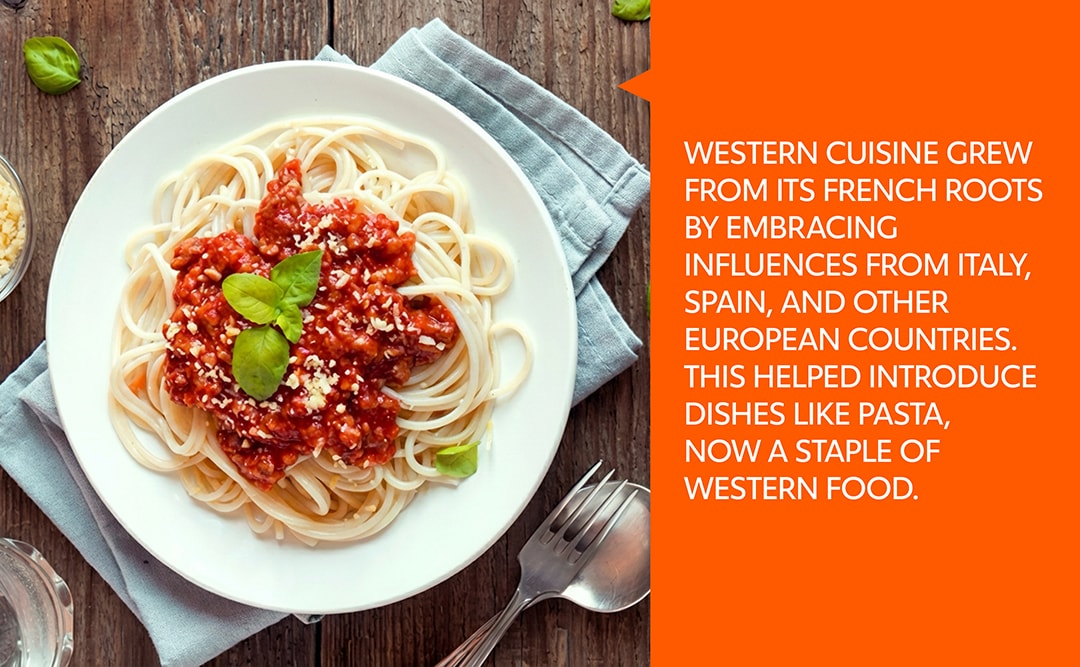
Plating and menu courses
Classic Western plating emphasizes balance, with protein usually placed at the center of the plate, complemented by a starchy side and vegetables for flavor and texture. A Western cuisine menu traditionally progresses from soup or salad, to the main course, and ends with dessert. Beverages such as coffee, tea, or wine are often paired to round out the meal.
While this structure remains familiar, plating and menu courses continue to evolve. Modern chefs experiment with minimalist presentation, shared plates, and multi-course tasting menus that emphasize creativity and storytelling. In the Philippines, tasting menus are gaining popularity in fine dining restaurants, offering diners an elevated experience while still rooted in Western cuisine techniques.
Essential Western cuisine ingredients
Western cuisine is also shaped by its pantry. These ingredients define its flavors, textures, and aromas, and many are readily available in the Philippines:
● Dairy: butter, cream, milk, yogurt, cheese (cheddar, mozzarella, Parmesan)
● Proteins: beef, pork, chicken, fish, seafood
● Starches: rice, potatoes, pasta, bread, corn, oats
● Vegetables: tomatoes, carrots, broccoli, cauliflower, lettuce, peas
● Fruits: apples, grapes, berries, citrus fruits
● Oils and fats: olive oil, canola oil, lard
● Spices and seasonings: black pepper, paprika, nutmeg, cinnamon, chili flakes
● Herbs: parsley, thyme, rosemary, basil, oregano, dill
● Flavorings and condiments: mustard, vinegar, stock, Worcestershire sauce, and mayonnaise
These staples make it easier for Filipino chefs to recreate Western cuisine main dishes or fuse them with local flavors. By combining these ingredients with classic techniques, chefs can design menus that appeal to both local and international diners.
Top Trends in Western Cuisine
Stay ahead by understanding how this cuisine is evolving. Here are the top trends reshaping Western menus across the globe.
1. New Nordic cuisine
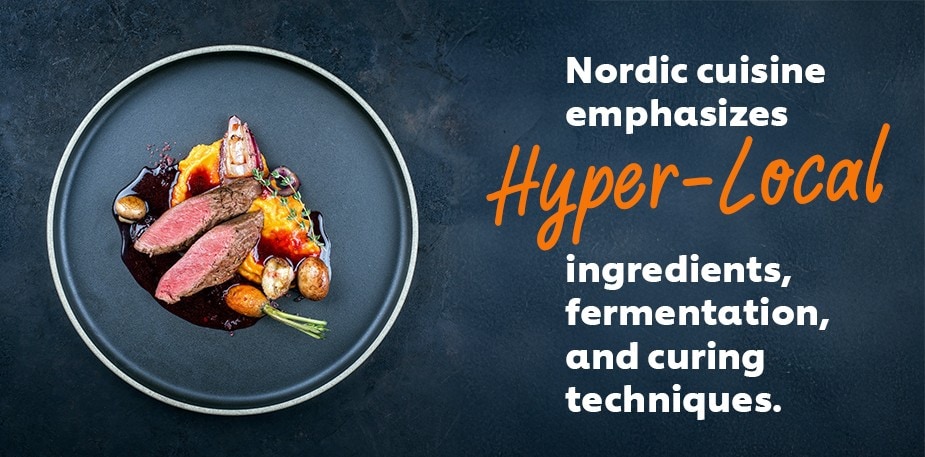
New Nordic cuisine emphasizes hyper-local ingredients, fermentation, and curing techniques. Filipino chefs can creatively incorporate these methods using local seafood and tropical produce. Imagine curing bangus in Nordic-style brine for a next-level take on tinapa, or serving pickled tropical fruits as an upgraded atchara alongside roasted meats.
2. Sustainability and plant-forward menus
More diners now favor sustainable and plant-forward choices. Whole grains, vegetables, and plant-based proteins are replacing heavier meat dishes. Filipino chefs can reinvent Western classics, such as vegetable-forward pasta, seasonal salads, or veggie-topped flatbreads, to appeal to health-conscious guests and reduce food costs.
3. Elevated comfort food
Classic comfort dishes, refined for modern tastes, remain strong performers. Think gourmet mac and cheese, premium burgers, and sourdough pizzas. In the Philippines, these offerings resonate with younger diners seeking indulgence that feels fresh and elevated, especially in casual dining and delivery menus.
4. Health-focused dishes

Health and wellness trends are transforming this cuisine. Lighter cooking methods like grilling, steaming, and roasting are overtaking frying. Gluten-free and dairy-free options are increasingly in demand. Filipino chefs can meet these preferences with creative twists, like grilled protein plates with light sauces or versions of classic Western food examples made with alternative ingredients that don’t compromise flavor.
5. Fusion with local flavors
Western dishes shine when infused with Filipino tastes, creating offerings that feel both familiar and fresh. An example is Chorizo Cebu Pandesal Canapé with Lady’s Choice Real Mayonnaise that elevates pandesal into a flavorful merienda bite, while Beef Pares Tacos give the beloved slow-braised dish a street-food twist. For heartier appetites, Bistek Burger turns a Filipino favorite into a Western-style sandwich ideal for casual dining.
The Influence of Western Cuisine on the Filipino Dining Scene
Western cuisine has long shaped Filipino dining, from fast food chains and hotel restaurants to local steakhouses. Familiar dishes like fried chicken, burgers, and spaghetti, have developed uniquely Filipino twists, including sweet-style pasta or fried chicken with rice and gravy. This deep familiarity creates both opportunity and challenge for chefs. Diners already know and love these flavors, so the task is to present them in ways that feel fresh, authentic, and valuable.
Western cuisine offers endless opportunities to innovate, sharpen kitchen efficiency, and craft dishes that stand out. This is the moment to explore its techniques, blend them with local flair, and design menus that keep diners coming back. Reimagine your dishes today and make Western cuisine a powerful driver of growth for your business.
.jpg)
.jpg)
.jpg)
.jpg)