
A bakery business is one of the most promising ventures in the Philippines. Filipinos have an enduring love for tinapay – almost as much as they do for rice. Mornings start with pandesal, and merienda only feels complete with monay, pan de coco, or kalihim. With bread being part of daily life, the demand never slows, which makes starting a bakery a smart move for foodpreneurs.
Running a successful bakery business takes more than baking skills. You need the right plan to turn your idea into profit. This guide breaks down every step to help you open that dream bakery you’ve always wanted to build. Ready?
Step 1: Research the Market
Before buying an oven or signing a lease, study your market first. Identify your customers: families, office workers, or commuters? Visit potential competitors and observe what sells quickly, when customers buy the most, and how they price their products.
Look closely at spending habits and preferences. Do people in the area prefer affordable breads or premium pastries? Are they after everyday staples or customized cakes for occasions? Spot the gaps that other bakeries haven’t filled and position your business to meet that demand. This helps make your bakery business more focused and prevents you from competing head-on with established players.
Step 2: Choose Your Bakery Business Model
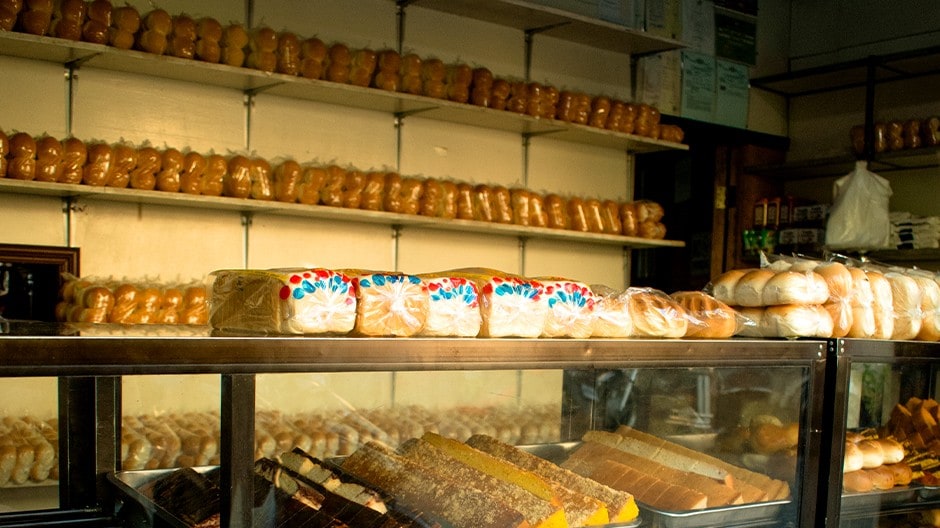
With your market research in hand, it’s easier to decide what kind of bakery business to open. The industry covers a wide range of setups, so be clear about what type you want to run. Consider your resources and current market demand when choosing from these models:
- Home-based bakery – Low-cost option ideal for beginners. Great for online sales and neighborhood deliveries.
- Storefront bakeshop – Offers higher visibility and steady walk-ins but requires more capital.
- Online or delivery bakery – Lean operations and smaller overhead costs.
- Bakery and café hybrid – Combines bread and pastries with coffee or light meals for higher revenue potential.
- Pastry shop business – Focuses on cakes, desserts, and premium baked goods. Best for foodpreneurs who want to target celebrations and gifting markets.
Step 3: Draft a Bakery Business Plan
Next, put your ideas into writing. A bakery business plan is your roadmap. It outlines what you want to achieve and how you’ll get there. It also helps you stay on track once operations begin.
Include the following:
● Business model
● Target market
● Menu
● Startup costs and funding sources
● Marketing strategy
● Growth projections
This is also where you map out your budget. In the Philippines, starting a bakery can require anywhere from ₱50,000 to ₱1,000,000, depending on your setup. Smaller home-based or delivery-focused bakeries typically fall on the lower end, while a storefront bakeshop with commercial equipment calls for a higher investment.
Having a solid plan becomes especially important if you plan to apply for financing, since banks and investors look for clear projections and a strategy that shows your bakery business is built to grow.
Step 4: Find the Right Location
Remember: your location can determine your success. Every barangay needs a reliable neighborhood bakery, but not all areas have room for a new one. Look for a spot with consistent foot traffic, near transport hubs or in front of schools, offices, or churches.
Depending on your model, you may also need to consider parking, accessibility, and production space. For instance, some shops bake and sell on-site, while others use a separate commissary kitchen.
Step 5: Plan Your Bakeshop Layout
Once you’ve secured your location, start designing your bakery layout to ensure food safety and efficiency while managing customer flow. If your budget allows, consult professionals who can ensure efficiency and compliance with food standards. If you’re doing it yourself, plan the space based on your workflow so production stays organized from start to finish.
Your setup should include these:
● Prep area – For weighing, mixing, and kneading ingredients.
● Baking station – Where you keep ovens and mixers.
● Cooling and packaging area – For wrapping and boxing breads once they’ve cooled.
● Display and cashier zone – Where customers can see fresh breads and make their purchase.
Step 6: Secure Permits and Licenses
Before setting your target opening date, make sure all permits and licenses are in place. These legal requirements protect your business and establish your credibility with suppliers and customers. Processing may take anywhere from a week to a month, so allot enough time before you launch.
Running a bakery business in the Philippines typically requires:
● Barangay clearance
● DTI business registration or SEC registration for corporations
● Mayor’s or business permit
● BIR registration
Step 7: Build a Starter Menu

Now comes the exciting part: developing your menu. Start with a tight selection of dependable products, then expand as you learn what sells consistently in your area. A focused menu keeps production efficient and quality steady, especially in the early stages of your bakery business.
Everyday breads should form the backbone of your sales. These are your daily best-sellers and repeat purchases, making them essential for cash flow.
● Pandesal
● Spanish bread
● Pan de coco
● Kalihim
● Monay
● Tasty
● Putok
● Kababayan
● Pan de leche
● Bonete
● Binangkal
● Pinagong
These sweet treats work well for merienda, gifting, and impulse buys:
● Ensaymada
● Mamon
● Pianono
● Donuts
● Egg pie
● Cakes
● Biscocho
● Pan de ube
● Buko pie
● Inipit
● Pudding
Savory pastries attract customers, especially students, looking for filling snacks or light meals.
● Empanadas
● Cheese bread
● Chicken pie
● Hopia baboy
Signature items help your bakery stand out and give customers a reason to choose you over others. These should reflect your brand and creativity, like ube salted egg pandesal made with Knorr Salted Egg Powder.
As you plan your menu, think ahead of seasonal demand. School days often drive higher sales of affordable breads and snacks, while holidays bring strong spikes for sweet breads, cakes, and giftable items. Preparing limited-time offerings during Christmas, Valentine’s Day, or graduation season helps boost revenue without permanently expanding your menu.
Here are some sample holiday items you can offer:
● Fruitcake
● Cheese rolls
● Brioche-style loaves
● Cinnamon bread
● Ube bread
● Holiday-themed ensaymada
● Bibingka
● Banana bread
Step 8: Invest in Essential Equipment and Tools
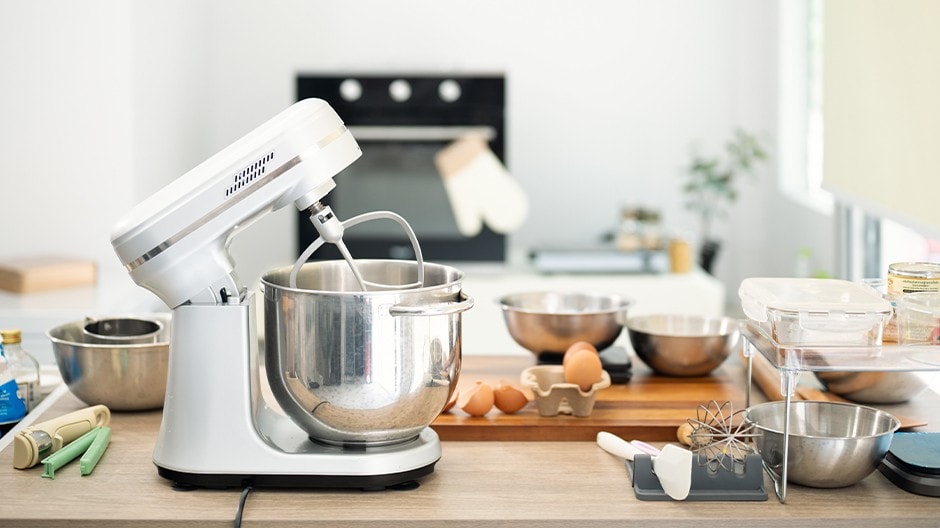
Once your menu is finalized, you can list the tools needed for production. Choose durable, commercial-grade equipment designed for long-term use.
Must-haves include:
● Ovens
● Mixers
● Refrigerators and freezers
● Prep tools: Weighing scales, mixing bowls, baking pans, trays, and spatulas.
● Handheld tools: Scrapers, whisks, tongs, rolling pins, pastry brushes, and dough cutters
● Heavy-bottomed pots
● Display racks and counters
● Packaging supplies: Paper bags, boxes, and labels for retail or delivery orders.
Step 9: Source Quality Ingredients
When sourcing ingredients for your breads and pastries, focus on three things: price, quality, and consistency. A successful bakery business depends on a steady supply of ingredients that meet your standards every time.
Bulk buying helps lower costs, but always consider shelf life to avoid waste. Since you’re just starting a bakery or pastry business, skip retail groceries and work directly with wholesalers who can offer better deals. For fresh ingredients such as eggs, vegetables, and meats, consider wet markets or local suppliers you can build relationships with. For other essentials like flavorings, seasonings, and sauces, check out the Unilever Food Solutions product lineup and connect with a dealer near you.
Step 10: Hire and Train Your Team
Even a small pastry shop business benefits from a well-trained team. If you’ll be hands-on in production, you can start with just one or two assistants. If not, hire a head baker who can develop recipes, oversee production, and train others as you grow.
Other key roles include a cashier to handle transactions and a helper for cleaning or packaging. As your operations expand, you can add more bakers, kitchen staff, and servers. Training is essential. Your team should understand your products and represent your brand with professionalism.
Step 11: Set Pricing and Manage Costs
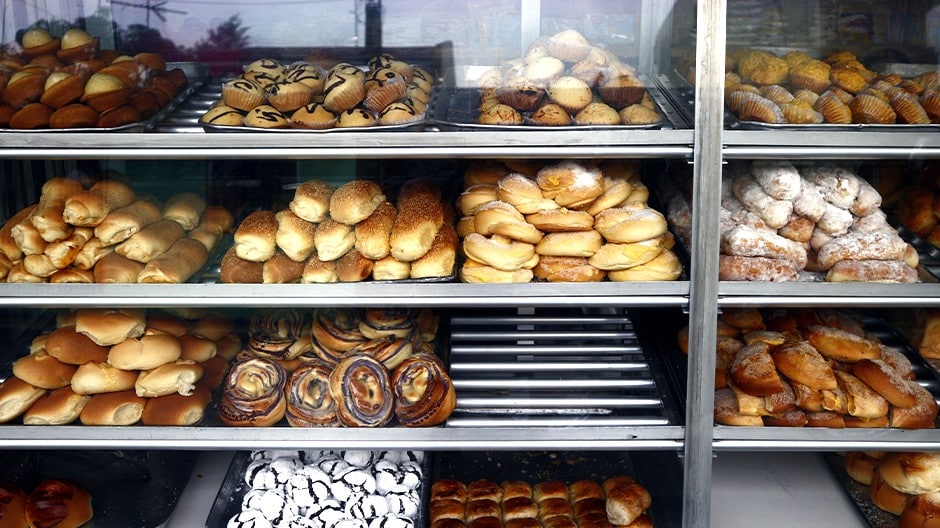
Now it’s time to work on your pricing. With your menu, ingredients, and team in place, you can calculate costs more accurately. Bread margins can be narrow, so every peso counts.
Factor in all costs, including ingredients, labor, packaging, rent, and utilities. A good rule of thumb is to aim for 33% food cost, 33% overhead, and 33% profit margin. This ratio keeps your pricing competitive while ensuring your business stays profitable. You can also benchmark against nearby bakeries to see how your prices compare.
Step 12: Market Your Bakery Business
It’s time to get the word out! Announce your opening date and share your story. What makes your bakery special? Keep people curious and excited about what’s coming. Use social media to your advantage. Post high-quality photos, short videos, and behind-the-scenes clips to show the effort that goes into every loaf. Offer opening-day promos or discounts to attract your first customers.
Pro tip: Word of mouth remains your most powerful marketing tool, especially when your community loves your products enough to recommend them.
Starting a bakery business takes commitment. But your effort will pay off once you earn loyal customers and see your breads become part of their daily lives. Yes, there will be challenges, and you might even have to take more steps than these twelve. But stay consistent and let your passion for baking push you forward. Your dream business is now within reach!





.jpg "Truffle Potato Soup with Crostini")









What is a bakery business and why is it a good opportunity in the Philippines?
A bakery business focuses on producing and selling bread, pastries and baked goods. It is a strong opportunity in the Philippines due to consistent demand, as bread is a daily staple for many consumers.
How can I start a successful bakery business in the Philippines?
To start a bakery business, you need to research your market, choose a clear concept, create a business plan, secure permits, and build a focused menu that matches local demand.
What are the key steps in building a profitable bakery business?
Key steps include selecting the right location or model, managing costs, sourcing quality ingredients, investing in equipment, and maintaining consistent product quality and operations.
How does a bakery business generate profit?
A bakery business generates profit through efficient cost control, strong menu planning, high-demand products and consistent daily sales, especially with staple items like bread.
What trends are shaping bakery businesses today?
Modern bakery business trends include premium and artisanal products, healthier options, online ordering, and hybrid concepts such as bakery cafés, helping businesses stay competitive and grow.


