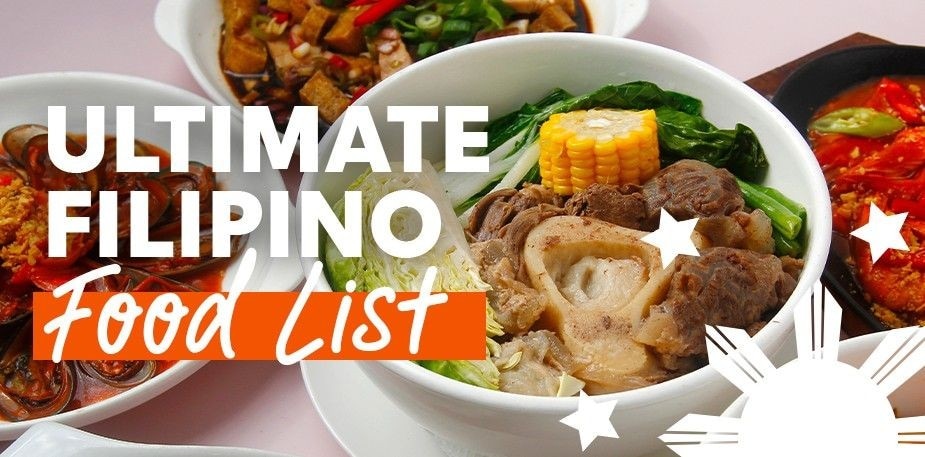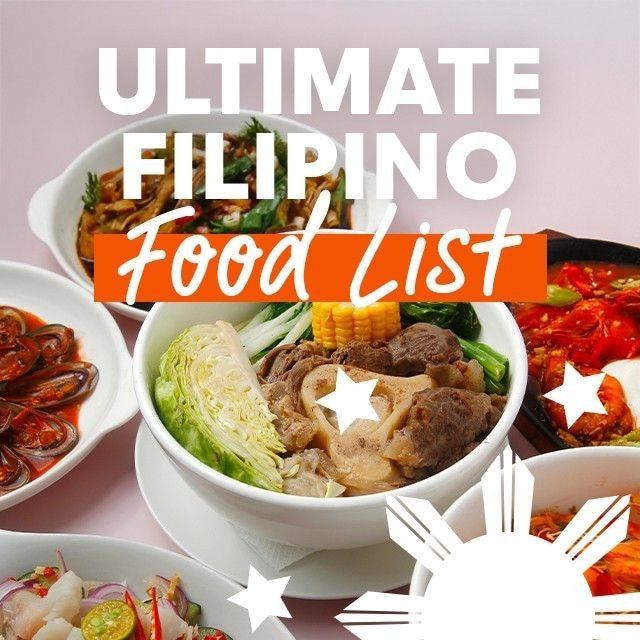
Pampanga, the Culinary Capital of the Philippines, is home to dishes that have put Filipino food on the world map. These recipes rely on confident flavors and techniques passed down through generations. The food in Pampanga comes from patient cooking that delivers depth and balance every time. That consistency makes the province a reliable source of menu inspiration for chefs focused on flavor and performance.
What Makes Food in Pampanga Stand Out
Kapampangan cooking does not hold back on flavor. Dishes lean into richness and deep flavors, creating meals that feel complete and satisfying on their own. This makes them easy to translate into restaurant food, especially when built around rice and generous portions.
Ingredients carry much of the work. Meats, offal, fermented elements, and native herbs appear across many dishes. Spanish influence and local ingenuity shape how these elements come together, resulting in food that feels indulgent but familiar.
For food businesses, this kind of cooking removes guesswork from the menu. Kapampangan dishes already come with clear portion value and formats diners understand. When customers know what they’re getting – and enjoy it – repeat orders follow.
Iconic Pampanga Dishes for Your Restaurant Menu
Here are Pampanga dishes that continue to perform in today’s kitchens. These honor tradition while fitting seamlessly into modern operations.
Signature Kapampangan dishes
Here are some of the most famous food in Pampanga, featuring mains that anchor menus with familiar flavors.
1. Sisig
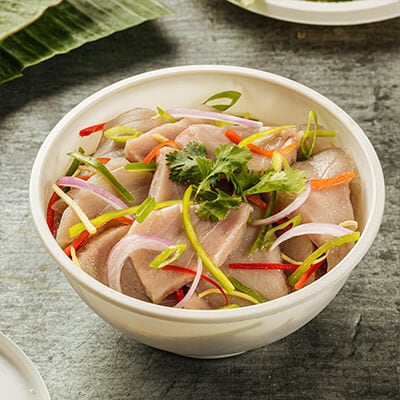
Sisig, Pampanga’s most iconic dish, traditionally uses finely chopped pork face and ears, dressed with calamansi and chilies. Kapampangan sisig focuses on freshness and richness rather than crispiness, allowing the natural flavor of the pork to stand out.
2. Bringhe
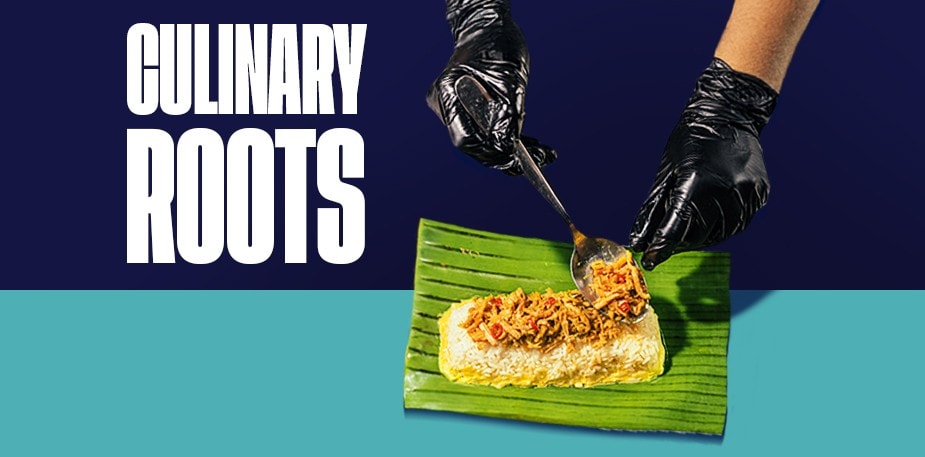
Often served during fiestas and gatherings, this Kapampangan rice dish uses glutinous rice cooked with turmeric, chicken, and vegetables. Many consider it Pampanga’s local counterpart to paella, thanks to its color and celebratory feel. It works well for group dining and catering menus.
3. Taba ng talangka
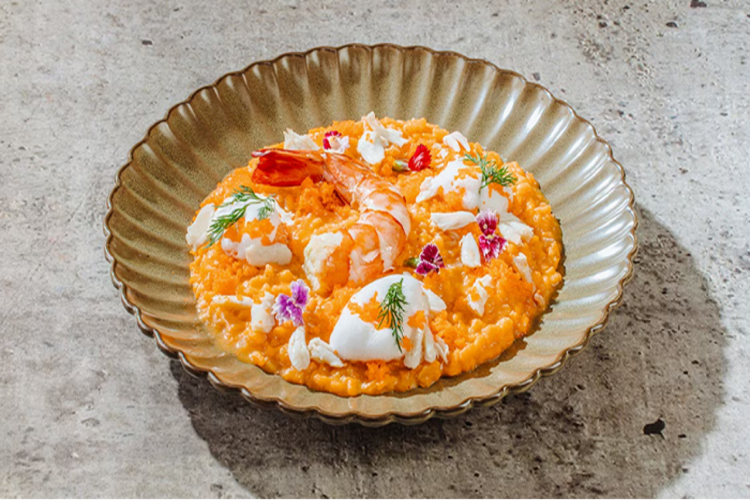
This rich paste made from crab fat and roe delivers intense, briny flavor in small amounts. Many diners enjoy it simply with rice, while others use it as a sauce base or condiment. Because a little goes a long way, it works well as a premium add-on or flavor booster on menus.
4. Asadong matua
Asadong matua is a Kapampangan pork stew simmered until tender in a savory-sweet sauce. Often served during fiestas and special gatherings, it delivers familiar, comforting flavors that appeal to a wide audience. On menus, it works well as a rice topping or as part of celebration sets.
5. Asadong dila
Asadong dila features beef tongue braised slowly until soft. Its long cooking process creates a tender texture that feels indulgent without being heavy. This makes it perfect for party trays and platters, especially for diners looking for something classic yet special.
6. Begukan
This Kapampangan dish features pork cooked in fermented fish or shrimp paste, similar to binagoongan. While its aroma is bold, the flavor delivers deep umami that pairs well with rice. It works best as a canteen staple or rice topping.
7. Suam na mais
Suam is a Kapampangan corn soup simmered with chicken or shrimp and leafy greens. Naturally sweet and comforting, it appeals to families and younger diners. It works well as a starter or light main, especially during rainy seasons.
8. Morisqueta
This Kapampangan fried rice blends Spanish, Chinese, and Filipino influences. Cooks use day-old rice stir-fried with garlic, onions, eggs, and soy sauce, then adds Chinese sausage, ham, shrimp, or pork. Filling on its own yet easy to pair with other dishes, morisqueta works well for celebrations and buffet-style menus.
Exotic food in Pampanga
These dishes reflect Pampanga’s comfort with unconventional cooking that gives menus a distinct point of difference.
9. Buro
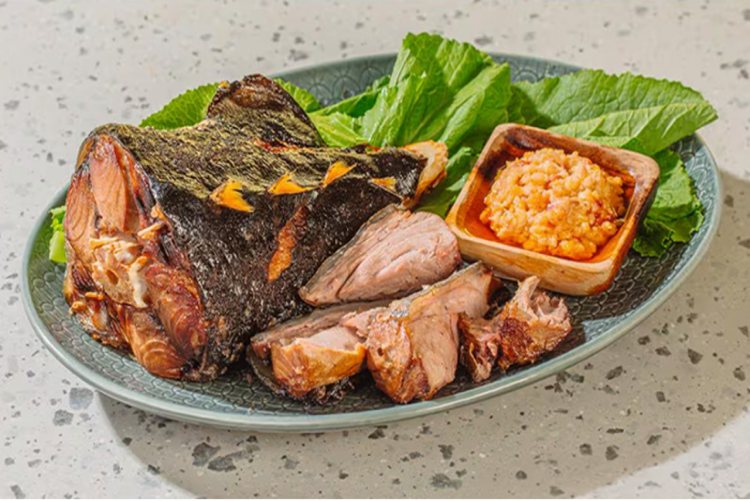
Buro refers to fermented rice traditionally served with fried or grilled fish and fresh mustard leaves. The fermentation brings a sour, funky profile that cuts through rich, oily dishes. Served as a side rather than a standalone main, it adds contrast and character to simple dishes.
10. Betute tugak
This Kapampangan specialty uses whole field frogs, carefully cleaned and stuffed with seasoned minced meat before frying. The result is crisp on the outside and savory inside, with a flavor many diners compare to chicken.
11. Adobong kamaru
Kamaru are mole crickets that Kapampangans usually cook adobo-style with garlic, vinegar, and spices. Crisp on the outside and moist inside, they carry a savory, tangy, and lightly garlicky taste. The dish works well as an appetizer or bar snack, especially for curious diners and foreign guests.
12. Tidtad
This Kapampangan version of dinuguan simmers pork meat and offal in pork blood, vinegar, garlic, and chilies. Unlike thicker, darker versions, tidtad stays saucy and lighter in color. Served with rice, it offers bold comfort without feeling heavy.
13. Kilayin
Kilayin is a Kapampangan dish of pork meat, liver, minced pork lungs, and spices cooked low and slow in vinegar. The result is a tangy, savory dish that falls between adobo and dinuguan in flavor. Its texture and rich sauce make it a satisfying everyday ulam.
Pampanga’s meat specialties
Here are some of the best food in Pampanga, highlighting Kapampangan cooking’s mastery of pork and cured meats.
14. Putung babi
This well-loved Kapampangan snack uses day-old pandesal filled with ground pork, mashed camote or potatoes, garlic, and shrimp paste, then coated in egg and pan-seared until crisp. Pressed on the stovetop like a panini, it delivers a savory bite that locals grew up eating.
15. Pindang damulag
Pindang damulag features carabao meat cured in vinegar, salt, and spices, then dried or lightly smoked. The curing process concentrates flavor and creates a firm, meaty texture.
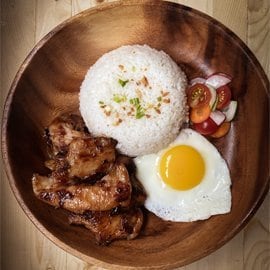
16. Tocino
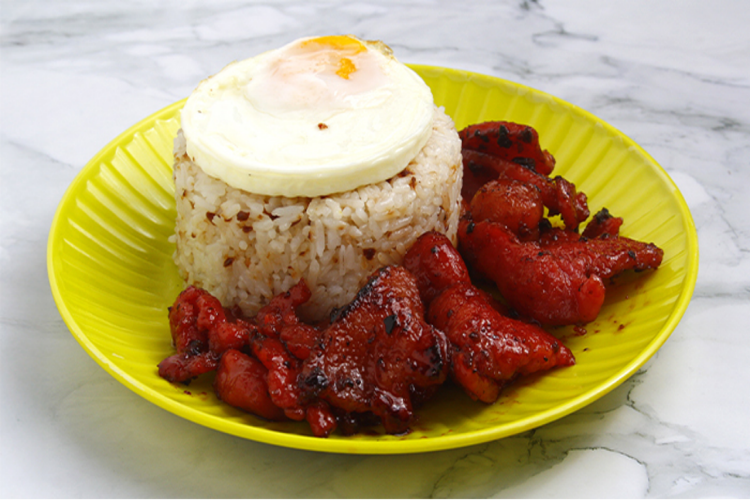
Tocino traces its roots to pindang damulag, evolving into a sweeter, more tender pork dish suited for everyday meals. It remains a breakfast favorite that pairs well with rice and eggs.
17. Pampanga longganisa
Typically longer and thinner than other versions, Kapampangan longganisa featuress a hamonado-style profile with a subtle sweetness. It uses pork seasoned with garlic, brown sugar, black pepper, salt, and vinegar.
18. Murcon
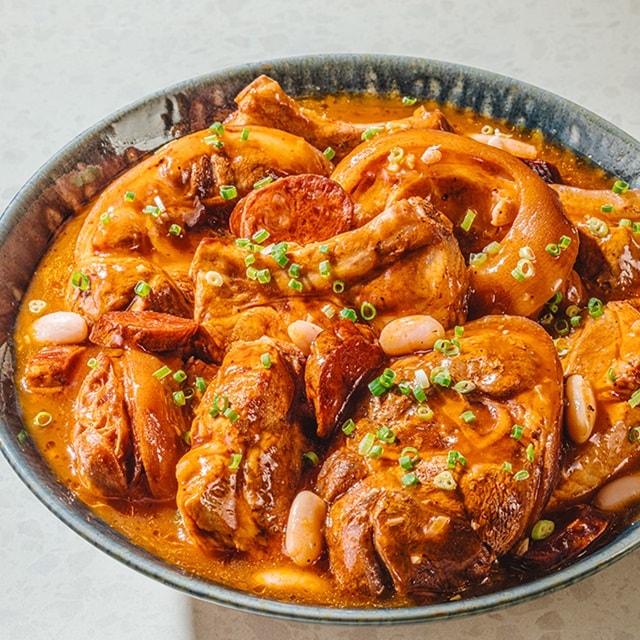
Murcon is a rolled beef dish stuffed with sausage, vegetables, and eggs, then braised in a tomato-based sauce until tender. Once sliced, it reveals distinct layers that add visual appeal. This makes it a natural fit for holiday menus, banquets, and festive occasions.
Pampanga food delicacies: sweets and merienda
These delicacies in Pampanga showcase the sweeter side of Kapampangan cooking, offering comforting kakanin and desserts that work well for cafés, bakeries, and all-day dining menus.
19. Pampanga halo-halo
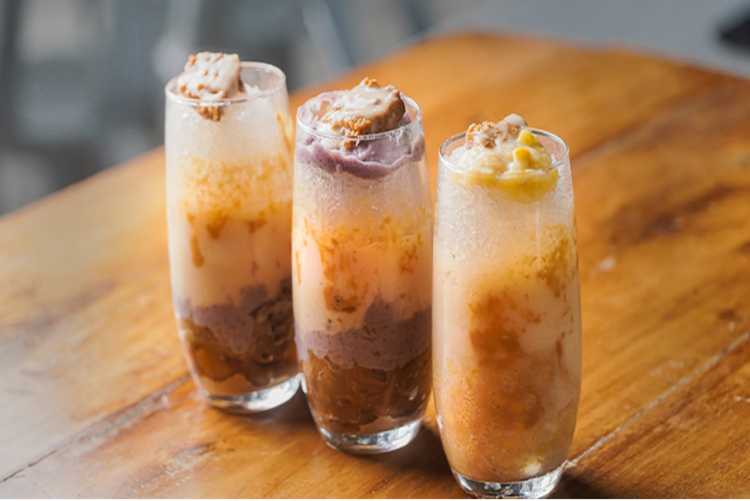
Pampanga’s take on halo-halo keeps things simple, focusing on finely shaved ice, milk, and well-balanced toppings rather than excess mix-ins. Popular versions like those from Kabigting’s (with corn kernels) or Razon’s (with macapuno and saba bananas) highlight restraint and texture.
20. San Nicolas cookies
These heritage shortbread-style biscuits feature intricate designs pressed from hand-carved wooden molds of Saint Nicolas de Tolentino. Made with flour, coconut milk, and egg yolks, they deliver a delicate, buttery bite. Serve with coffee or tsokolate for a refined way to end a meal.
21. Kapampangan tamales
Tamales is a hearty snack made from ground rice and coconut milk, topped with egg, chicken, and nuts. Unlike its Mexican namesake, this version is creamier and more filling. Commonly eaten for breakfast or merienda, it suits grab-and-go counters and snack-centric menus.
22. Tibok-tibok
Tibok-tibok is a traditional Kapampangan kakanin made from carabao milk thickened with galapong and finished with latik. Rich and creamy, it feels more indulgent than most rice-based sweets.
23. Pampanga-style buko pandan
This version of buko pandan is often served semi-frozen rather than loose. Young coconut and pandan flavor come together in a dessert that feels refreshing without being overly sweet. It works well for sharing and helps balance richer mains on the menu.
24. Moche
Moche is a unique Kapampangan kakanin filled with sweet red bean paste, boiled until tender, and finished with a sweet coconut sauce. Soft and comforting, it offers a unique texture from more common rice cakes.
From everyday ulam to festive delicacies, these dishes show how tradition translates into menus that diners return to. Drawing inspiration from food in Pampanga gives food businesses access to flavors with heritage and broad appeal. Explore these Kapampangan favorites and see how regional cooking can add depth and character to your menu.