The best fried chicken is a product of science. Achieving consistent crunch, even browning, and a clean bite in every serving requires disciplined technique and strict control of variables during frying. Texture and color develop through physical reactions that you need to manage properly in the kitchen. These are controlled outcomes, not lucky results.
That level of precision does not come from instinct alone, no matter how experienced the cook may be. Kitchens need a reliable system and an understanding of what happens when chicken enters hot oil. When you manage these factors correctly, fried chicken becomes a dependable menu item that leads to strong sales.
Secret #1: Crispy Fried Chicken Is About Moisture Control, Not Just Heat
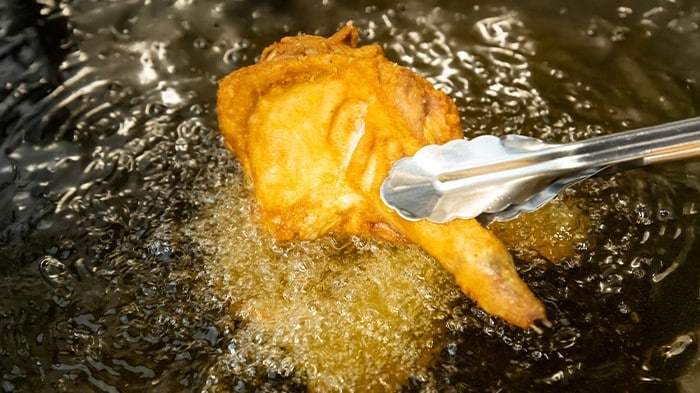
Many kitchens focus on oil temperature when frying chicken at scale. While temperature matters, crispiness depends just as much on how moisture behaves during cooking.
Chicken naturally contains a lot of water. When coated chicken enters hot oil, that moisture quickly turns into steam and moves outward through the crust. As Harold McGee explains in On Food and Cooking, crisp texture forms when the surface dries into a firm layer. If moisture continues to rise from the inside after frying, it can soften that crust. This is why your golden fried chicken may look crisp at first but lose its crunch over time.
Managing moisture means more than increasing heat when cooking fried chicken. Avoid overly thick coatings that trap steam. You need to drain the fried chicken well so the oil does not sit on the surface. Also, use holding methods that prevent heat and moisture from building up inside closed containers.
Secret #2: The Best Fried Chicken Requires a Coating Designed for Structure
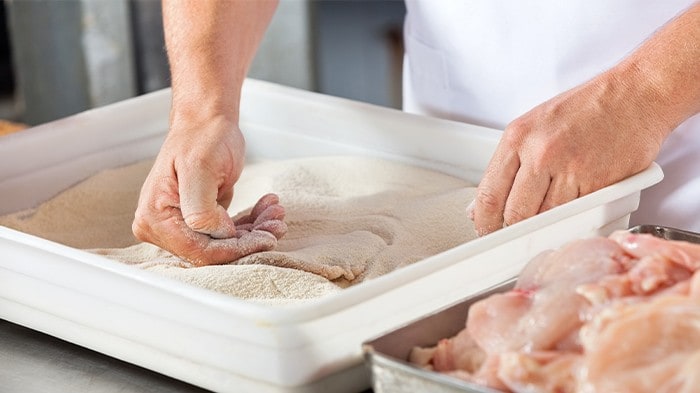
Not all coatings react the same way in hot oil. As coated chicken fries, the outer layer, whether it is a dry breading or a light batter, heats up and begins to firm into a structured crust. Starches in the coating swell and set, while proteins strengthen the surface as they cook. When this process happens evenly, the crust becomes crisp and stable instead of soft or uneven.
Small changes in flour type, starch ratio, or moisture level can affect how quickly that crust forms. Too much moisture can delay setting; too little support can lead to uneven browning or early softening. This explains why one batch of fried chicken turns out sturdy and golden, while another loses its crunch despite similar frying temperatures.
In commercial kitchens, consistency matters more than improvisation. Standardized breading systems help the coating set properly and maintain its structure during frying.
Secret #3: Particle Size and Coating Composition Decide How Long Crunch Lasts
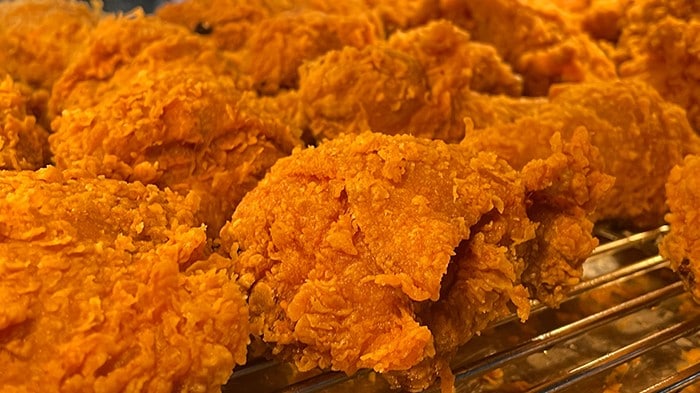
Even when a crust forms properly, not all crunch lasts. The size of the crumbs or flour particles affects how the coating behaves after frying.
Very fine coatings create a thin layer that browns quickly. However, thinner layers can soften faster during holding. Coatings with slightly larger crumbs create a more textured surface that tends to hold its shape longer.
The balance of flour and starch also matters. It affects how much oil the coating absorbs and how quickly it softens. A coating that absorbs too much oil may feel greasy and lose crispness sooner, especially during takeaway or delivery.
Secret #4: Stable Oil Temperature Protects Your Results
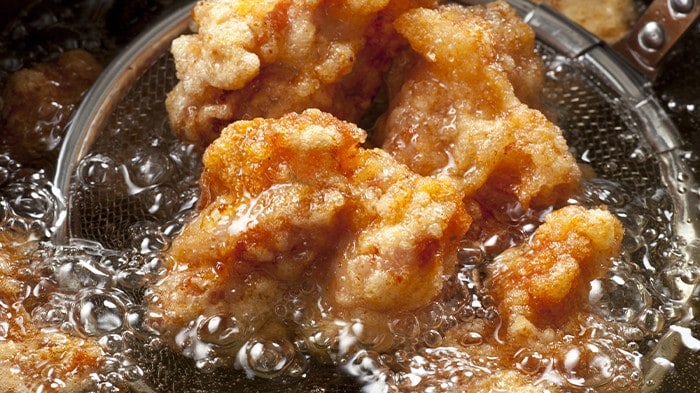
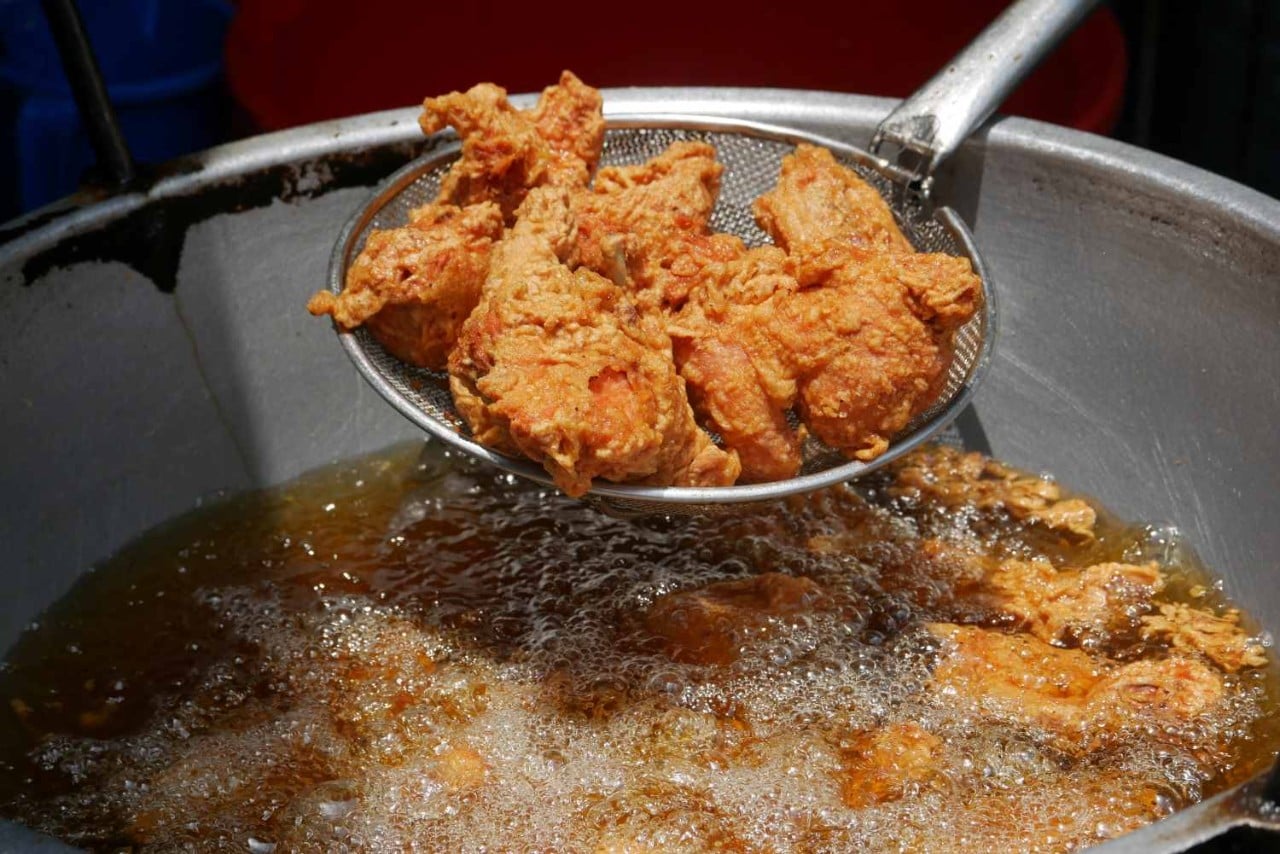
When oil temperature drops because of overcrowding or uneven batch sizes, the coating takes longer to set. During that delay, the crust absorbs more oil, leading to greasy or uneven results. Stable temperature allows the outer layer to firm up quickly while the inside cooks through at the right pace.
Choosing the right frying oil also matters. Use a refined oil with a high smoke point and neutral flavor, such as canola, soybean, palm, or blended vegetable oil. These oils remain stable at deep-frying temperatures and help maintain consistent heat during service.
For best fried chicken results, control batch size, avoid overloading the fryer, and allow the oil to recover between cycles. Even the best coating cannot compensate for unstable frying conditions.
Secret #5: The Best Fried Chicken Needs a System, Not Just a Recipe
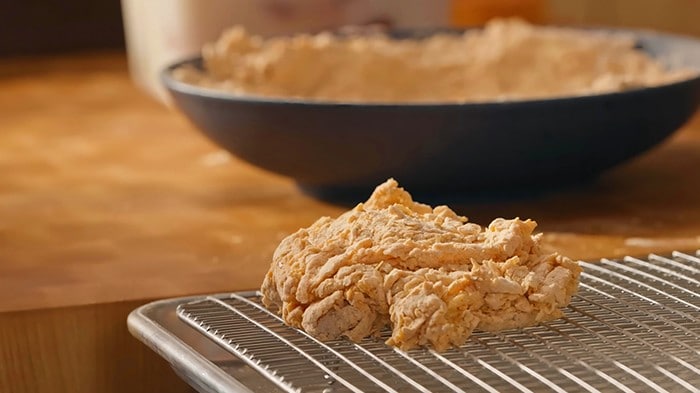
Fried chicken may turn out well when prepared carefully by one cook, but small differences in brining, dredging, or batch timing can affect the crust. Scratch coatings depend heavily on manual mixing and staff experience. Even slight changes in flour ratio or moisture level can alter how the crust sets and how much oil it absorbs. Over time, this leads to uneven results across shifts or branches.
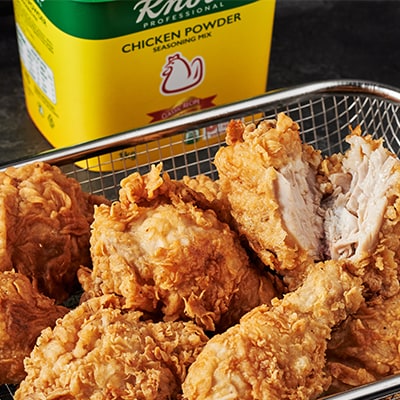
A standardized breading reduces that variability. By controlling ingredient ratios and preparation steps, it helps the coating behave more predictably under high heat. Knorr Professional Crispy Breading Mix is designed for commercial frying and does not require additional eggs or starches. Its Crisp Lock Coating also helps maintain crunch for extended holding periods. With fewer preparation steps and less room for variation, kitchens can focus on stable frying conditions instead of correcting texture problems.
Secret #6: Proper Frying Technique Strengthens the Science
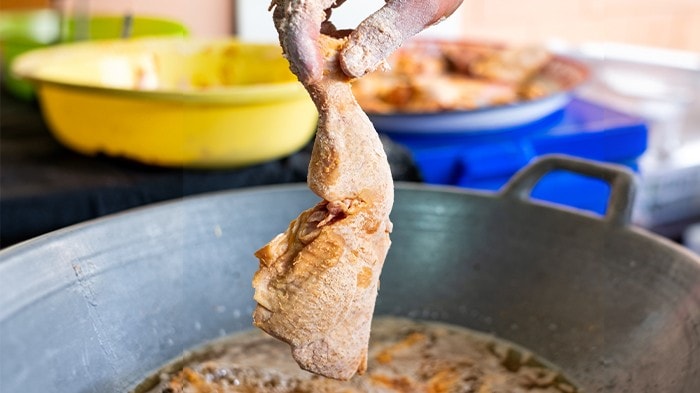
Technique determines how well the science of fried chicken translates into consistent results. Allowing coated chicken to rest briefly before frying helps the breading adhere more securely. Shaking off excess coating prevents weak spots that may separate during cooking.
During frying, avoiding overcrowding helps maintain stable oil temperature so the crust can set evenly. After frying, proper draining reduces excess surface oil, and ventilated holding slows moisture buildup that can soften the crust. When handling and heat control work together, the coating performs as intended and the result becomes more consistent.
What Makes the Best Fried Chicken Crispy?
These six practical rules translate the science into clear kitchen actions that help you produce the best fried chicken.
- Control moisture, not just heat, by allowing steam to escape during and after frying.
- Use a coating that sets quickly and forms a stable crust in hot oil.
- Choose the right crumb size and ingredient balance to help the crust hold longer.
- Maintain stable oil temperature by avoiding overcrowding and allowing recovery time.
- Standardize your breading process to reduce variation across cooks and shifts.
- Apply proper frying technique, from resting the coating to proper draining and holding.
Choosing the Right Fried Chicken Style for Your Market
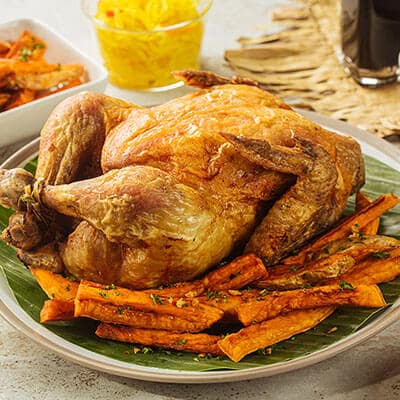
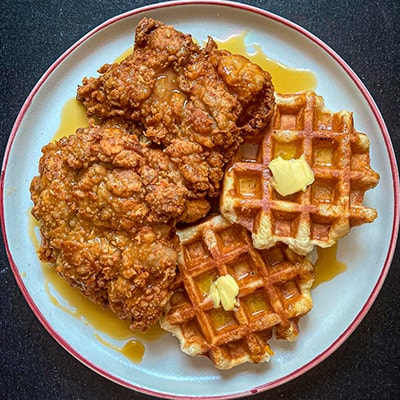
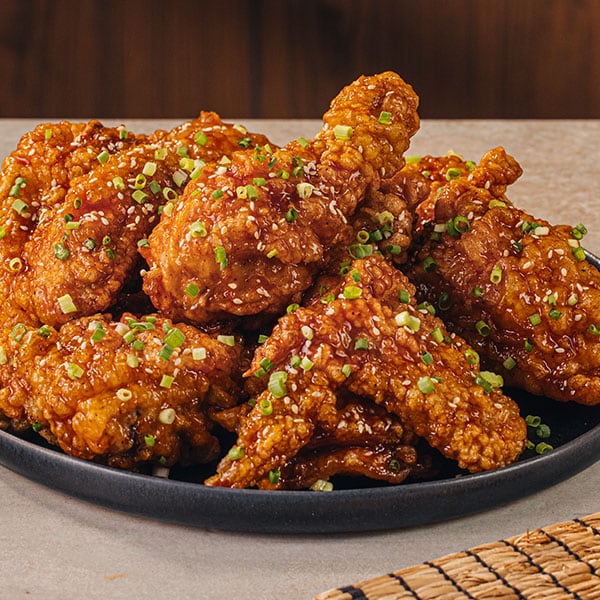
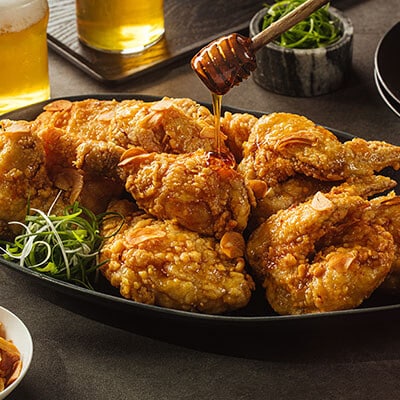
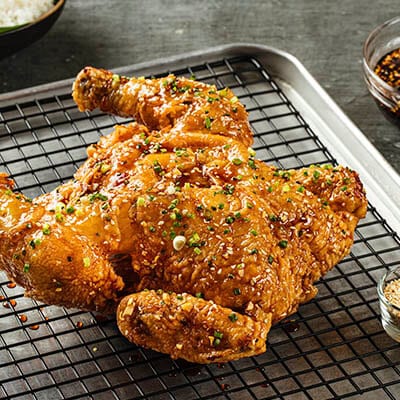
Different styles of fried chicken use different coating methods and frying techniques. Pinoy-style fried chicken often features a seasoned flour coating with a hearty crust. Korean-style versions commonly use lighter coatings and may involve double frying for a thinner, crisp exterior before sauce is added. Western buttermilk fried chicken typically relies on a marinated base and a thicker crust, while Chinese and Thai styles may use batters or rice flour blends for a lighter bite.
While techniques vary, the same principles apply. Moisture control, crust formation, stable oil temperature, and proper handling still determine how crisp the final product will be. Selecting the right style depends on your market, but mastering the science ensures whichever version you serve performs consistently.
Customers may talk about flavor, but they remember texture. The best fried chicken stays crisp because you control moisture, coating, oil, and technique with discipline, not guesswork. Master these fundamentals and turn consistent crunch into dependable results.