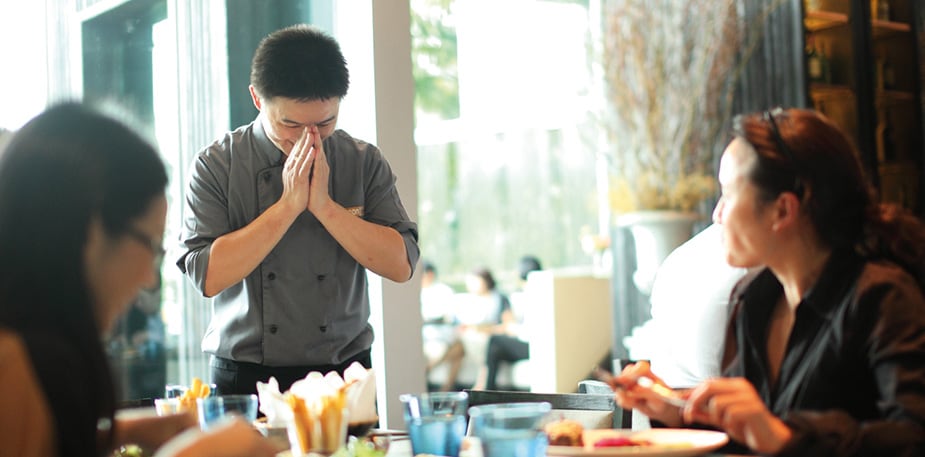

When you run a food business, remember this: you’re not just serving meals – you’re creating experiences. A well-crafted menu can fill your tables, but it’s the food service that turns a simple meal into something memorable. Every establishment follows a strict food and beverage service style to meet guest expectations and ensure smooth operations.
Understanding the different types of food and beverage services helps you find what fits best for your concept. Whether you manage a carinderia, a café, or a hotel banquet hall, the right service style is key to making every guest feel like a VIP.
What Is Food and Beverage Service?
Food and beverage service is the process of preparing, presenting, and serving food and drinks to guests in a dining or hospitality setting. It covers everything from taking orders and delivering dishes to ensuring every table feels cared for from start to finish. Food service is about presenting your dishes in the best possible way so diners feel they’re getting their money’s worth.
This system is crucial for maintaining efficiency, especially during peak dining hours. With a proper plan in place, your front-of-house team stays confident and composed even when unexpected issues arise. Select from the following types of food and beverage services:
1. Formal Dining Services
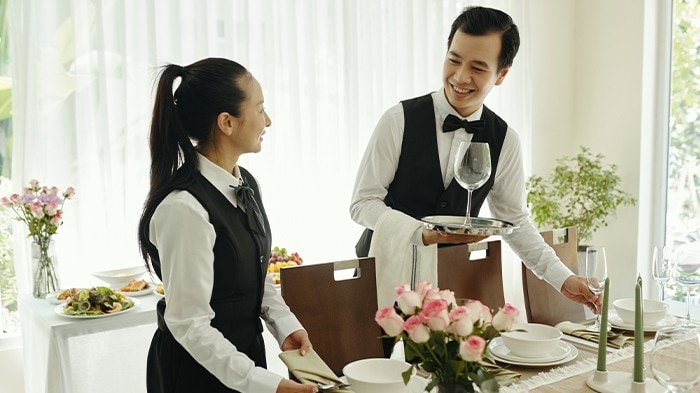
Formal dining services suit high-end restaurants, hotel functions, and milestone events where sophistication and attention to detail define the experience. In this type of food service, presentation and timing make all the difference.
Fine dining
Fine-dining restaurants offer an elevated experience where every course is carefully served. Also, every movement follows a standard protocol – from pouring wine on the right to clearing plates from the left. This style is best for special occasions and celebrations where guests expect the highest level of care.
Where it works: Luxury hotels, resort restaurants, high-end dining rooms
Table service
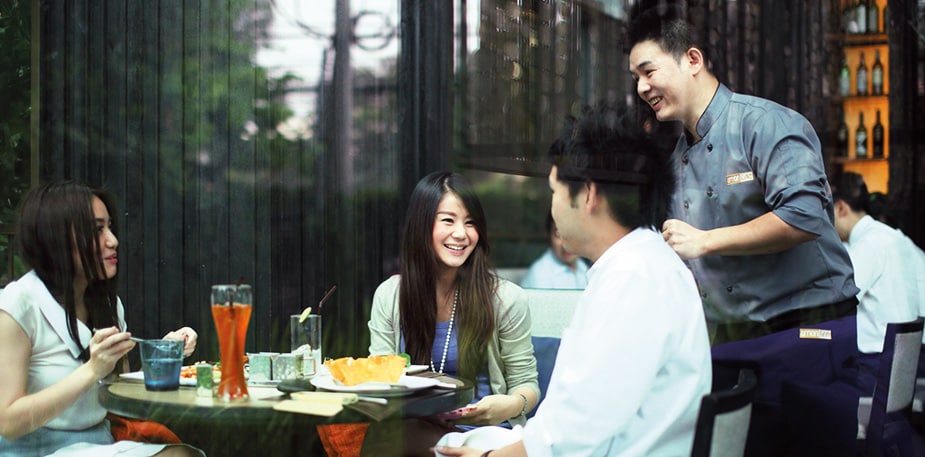
Table service creates a warm, attentive atmosphere where diners order from a menu. Here, servers take care of everything, like taking orders and managing payments. It’s less formal than fine dining but still offers a sense of comfort and hospitality that makes guests feel valued.
Where it works: Family restaurants, casual dining spots, hotel cafés
2. Waiter Services
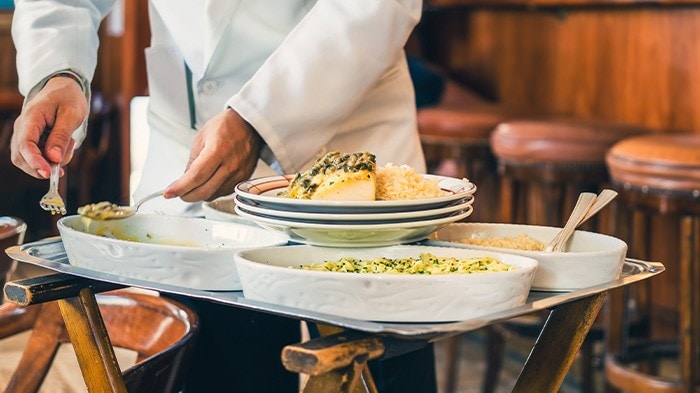
In this food and beverage service style, waitstaff serve food directly at the table using traditional techniques that elevate guest experience. It’s a more structured form of service that includes several international styles still practiced in hotels, catering functions, and some traditional restaurants.
English service
In English service, servers bring large platters of food to the table and assist guests as they serve themselves. It has a slightly old-fashioned charm; think of grand family banquets or classic hotel functions where hospitality feels ceremonial.
Where it works: Weddings, banquets, upscale catering events
American service style
The American service style is the most common setup in Philippine restaurants. Food is portioned and plated in the kitchen before being served straight to guests. It’s efficient and allows faster table turnover. This one’s perfect for busy meal periods and fast-paced dining.
Where it works: Casual dining restaurants, chain eateries, hotel coffee shops
French service
In French service, servers finish or plate dishes right beside the table, often with a touch of showmanship. Classic examples include tossing a Caesar salad or flambéing crêpes Suzette before serving. This service draws diners into the process. It requires highly skilled staff and works best when time and attention to detail are priorities.
Where it works: Fine-dining, European, or French restaurants
Russian service
Russian service features beautifully arranged platters from which servers portion food directly onto each guest’s plate in synchronized fashion. It’s elegant and deliberate; ideal for occasions that call for some sense of formality.
Where it works: Gala dinners, state functions, corporate banquets
Gueridon service
With gueridon service, servers prepare or finish dishes on a mobile trolley beside the guest’s table. Dishes like steak Diane or beef Wellington showcase tableside artistry that delights diners.
Where it works: Interactive fine-dining restaurants
Chinese service
A long-time Filipino favorite for family gatherings, Chinese service features communal dishes placed at the center of a round table, often with a lazy Susan for easy sharing. It highlights togetherness, a dining tradition deeply appreciated in Filipino celebrations.
Where it works: Chinese restaurants, hotel banquets, wedding receptions
3. Assisted Services
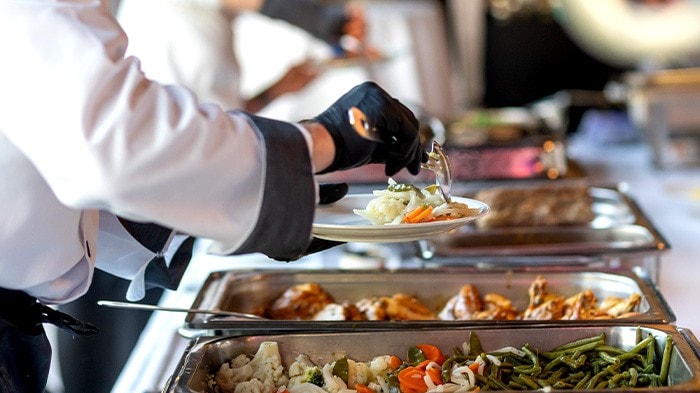
Assisted services combine the freedom of self-service with the attentiveness of waiter service. Guests can help themselves to certain dishes while servers assist with drinks or plating select items.
Buffet style of service
The buffet style of service is one of the most popular setups in the Philippines, often seen at receptions and eat-all-you-can restaurants. Guests move along a buffet line to choose their food, while waitstaff handle refills and table clearing.
Where it works: Hotels, function halls, casual buffet restaurants
Common buffet types include:
- Simple buffet: Guests serve themselves while staff clear tables.
- Station buffet: Waiters handle beverages while guests select their dishes.
- Modified deluxe buffet: Waiters serve drinks and desserts.
- Deluxe buffet: Waiters serve appetizers and beverages while guests get their mains from the line.
Lounge service
Lounge service fits spaces where comfort and convenience take priority. Guests enjoy light meals, pastries, or coffee while staff maintain quick service in a relaxed, welcoming environment.
Where it works: Airport lounges, hotel lobbies, luxe cafés
4. Self-Service
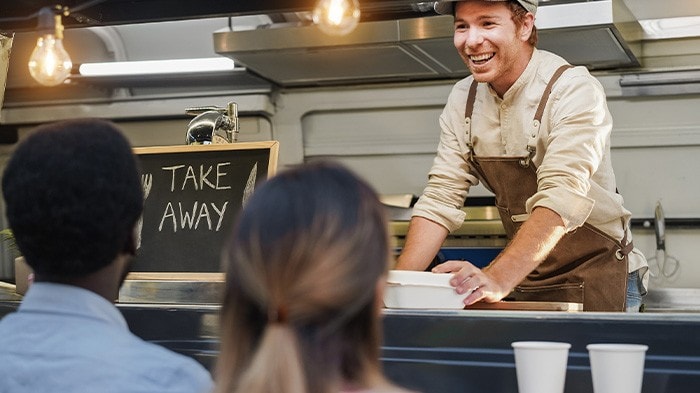
With the popularity of food kiosks and grab-and-go setups, self-service is now a familiar sight across the Philippines. This food service style lets diners place, pay, and pick up their meals on their own.
Cafeteria service
In cafeteria service, customers move along a counter to choose pre-plated dishes before paying at the end. This setup works well for places with large foot traffic and predictable demand.
Where it works: School and office canteens, hospital food courts, mall eateries
Single point service
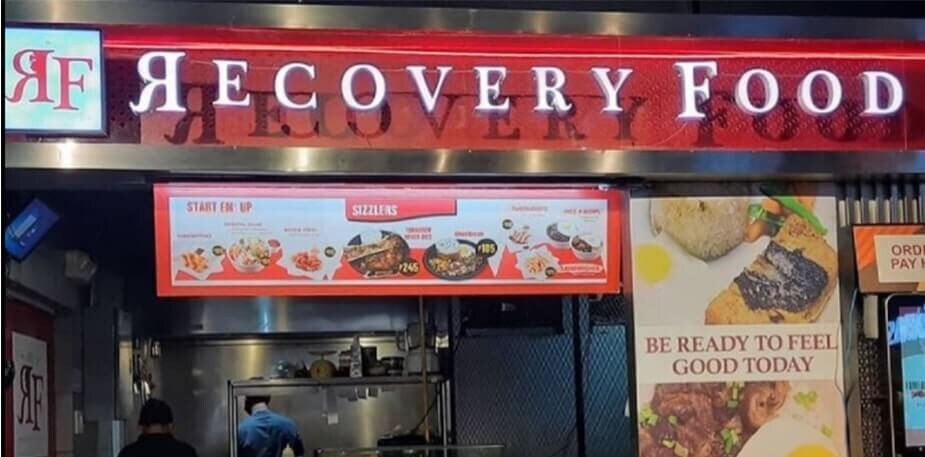
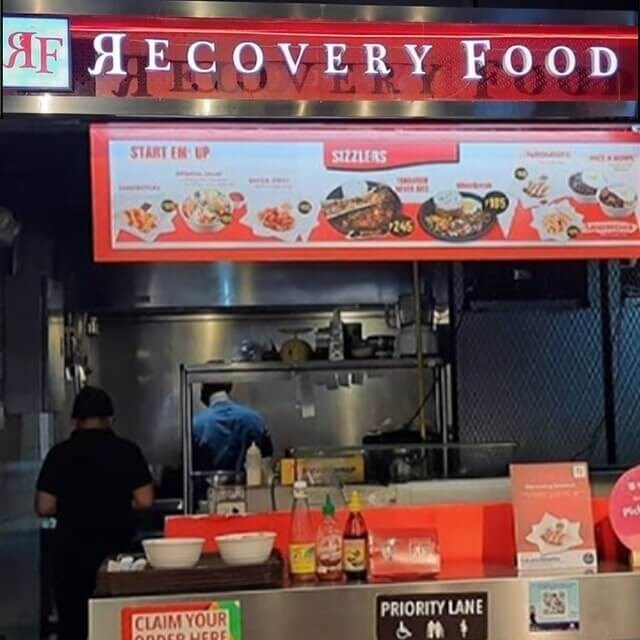
Single point service lets guests order, pay, and collect their food from a single counter, whether it’s a food truck, kiosk, or small stall. It’s quick and cost-effective, making it a favorite among foodpreneurs and small business owners.
Where it works: Food parks, convenience stores, mall stalls
5. Special Services
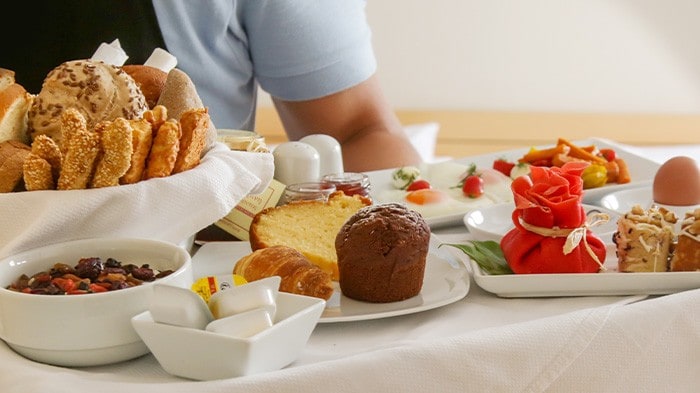
Special services cater to unique dining needs and modern customer lifestyles. They’re becoming more relevant in the local market as delivery apps and convenience dining grow.
Tasting menus
A tasting menu lets guests experience several small courses that highlight the chef’s creativity. Each dish tells part of a story, giving diners a one-of-a-kind experience worth savoring.
Where it works: Fine-dining restaurants and chef’s tables
Room service
A long-standing favorite in hotels, room service brings restaurant-quality meals straight to the guest’s doorstep.
Where it works: Resorts, business hotels, serviced residences
Tray service
In tray service, meals are neatly arranged on trays for individual delivery. This format is ideal for large-scale meal operations.
Where it works: Hospitals, airlines, corporate cafeterias
Home delivery service
Home delivery has surged in the Philippines thanks to food delivery apps. Restaurants now focus on packaging quality and order accuracy to ensure dishes arrive fresh.
Where it works: Fast food chains, casual dining restaurants, cloud kitchens
How to Improve Food and Beverage Service in Your Restaurant
No matter which style you choose, consistency and proper team training can make all the difference in how guests perceive your restaurant. A well-trained crew and a thoughtful food service plan ensure every customer leaves satisfied, even on the busiest days.
- Train your staff regularly so they’re confident in etiquette and communication.
- Streamline coordination between the kitchen and service team to prevent delays and maintain food quality.
- Maintain high presentation standards, paying close attention to food temperature and serving sequence.
- Use digital ordering systems or QR codes to reduce waiting time and minimize errors.
- Listen to customer feedback and apply improvements quickly.
- Highlight the signature Filipino warmth and attentiveness.
Knowing the different food and beverage service types helps you build consistency in every shift. In turn, it strengthens your branding and attracts the right kind of diners who appreciate your style of hospitality. Choose the food service setup that fits your concept and align it with your menu to give diners an experience that feels worth every peso spent.

Congratulations, you’ve completed the 5 Types of Service topic!
Continue to the next topic, pick a related topic from the Service, Service, Service module, or go back to the Chefmanship Academy modules page.