Looking to fire up your menu? Turn to Bicol food, a regional favorite that spotlights creamy coconut, fresh seafood, hearty root crops, and that signature kick of chili. But beyond the heat lies a cuisine rich in heritage and local pride, where every dish tells the story of resilience and ingenuity.
What Makes Bicol Food Unique
At the core of Bicol food is the use of coconut milk, paired with the heat of siling labuyo. Gata adds body and richness, while chilies bring depth without overpowering a dish. These flavors are built around everyday Bicol ingredients like fresh seafood and root crops, which give the cuisine its hearty, comforting profile.
Bicol dishes are a perfect fit for food businesses who want big flavors without big costs. They’re simple to recreate yet full of richness that keeps diners hooked. Whether it’s a classic ulam or a sweet treat, these Bicol delicacies will add character and true Filipino soul to your lineup.
Bicol Food Specialties to Boost Sales
These Bicol specialties deliver bold flavor and broad appeal, making them easy additions to any menu.
Bicol’s savory mains
Hearty, coconut-rich dishes with just the right heat, built to pair well with rice!
1. Laing
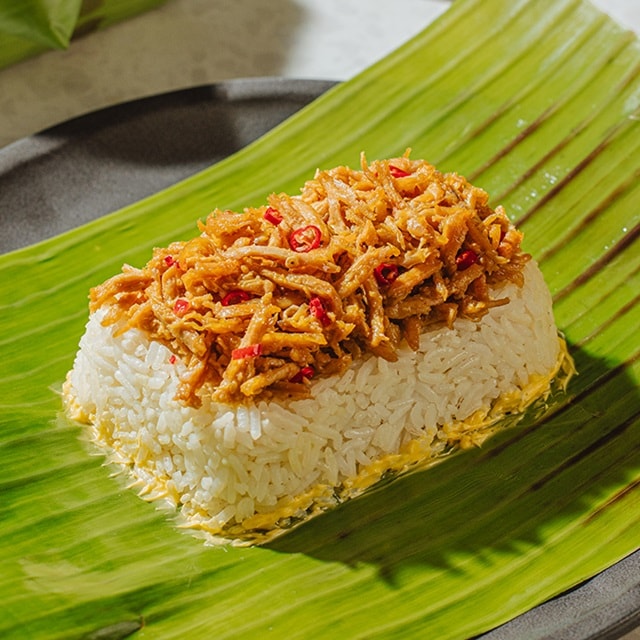
Always at the top of any list of Bicol’s famous food, laing is made from dried or shredded taro leaves cooked slowly in coconut milk with chili, garlic, and ginger. It’s a beloved comfort dish that leaves room for creativity. Top it with chicharon, add flaked tinapa, or even use it on pizza as an alternative to creamy spinach.
2. Pinangat
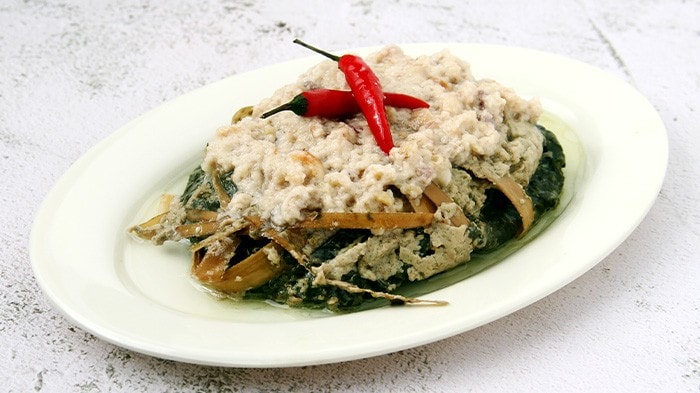
Pinangat is similar to laing but uses whole taro leaves wrapped around fish, shrimp, or meat, tied neatly, then simmered in coconut milk. It takes more effort to prepare but rewards you with a dish that stands out for its craftsmanship and presentation.
3. Tinutungang Manok
Tinutungang manok showcases a unique way of preparing coconut milk by toasting or lightly burning it to develop a smoky flavor. Native chicken is simmered in this gata na tutong with papaya, lemongrass, and chilies. Its character makes it worthy of being a restaurant’s signature regional dish.
4. Kinunot
Much like other Bicol region food, kinunot combines coconut milk and chilies, but this dish uses fish or stingray for more texture. A handful of malunggay leaves also adds a healthy, earthy touch. It’s approachable yet distinctive; an easy addition for carinderias who want to spotlight regional flavors in everyday menus.
5. Sinanglay
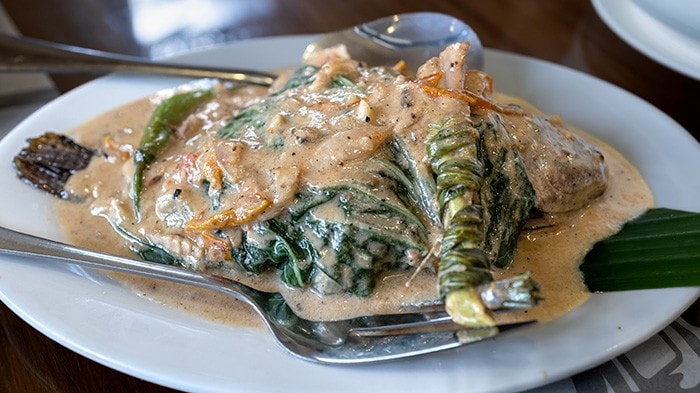
Sinanglay is a well-loved Bicol dish featuring fish, often tilapia, stuffed with tomatoes, onion, garlic, and chili. Then it’s wrapped in leafy greens like pechay or taro and simmered in coconut milk. It looks intimidating when served but is surprisingly simple to prepare. Its wholesome appeal makes it a great option for family-style servings.
6. Kandingga
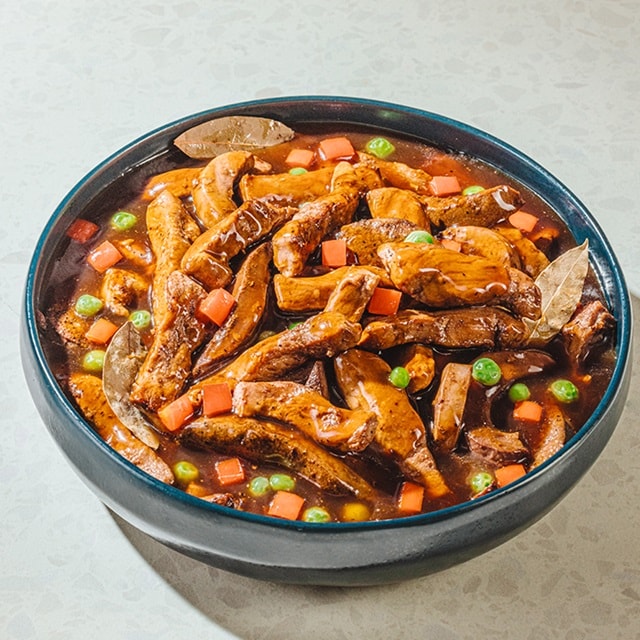
Kandingga is Bicol’s version of bopis made with pork lungs, heart, and other innards sautéed with vinegar, chilies, and coconut milk. It’s umami-filled and budget-friendly, making it a hit for neighborhood eateries and bars.
7. Sinantolan
In sinantolan, grated santol flesh is sautéed with bagoong, garlic, and onion, then simmered in coconut milk and chilies. The result is creamy, sour, and lightly spicy; a unique take on fruit-based cooking in Bicol food culture. It’s simple to prepare and brings a refreshing contrast to menus filled with heavy meat dishes.
8. Tinumtuman
A close relative of ginataang labong, tinumtuman features fresh clams cooked with bamboo shoots in coconut milk. The sweetness of the clams blends beautifully with the richness of the coconut. This famous food in the Bicol region is a terrific addition to menus looking to offer seafood-based dishes.
9. Bicol Express
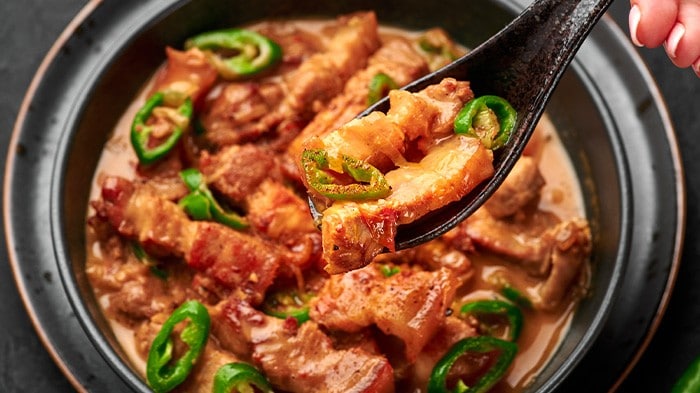
Did you know the original Bicol express wasn’t born in Bicol but in Manila? It was created by Cely Kalaw, a Bicolana chef, who named the spicy pork dish after the train that once ran from Manila to Legazpi. This creamy stew of pork, coconut milk, bagoong, and chilies remains one of the country’s best-loved dishes. So easy to market and quick to scale!
10. Kusido
Kusido is a light stew simmered in a mildly tangy broth flavored with calamansi and local herbs. Often compared to sinigang but gentler in acidity, it’s a wholesome comfort dish perfect for rainy days.
11. Inulukan
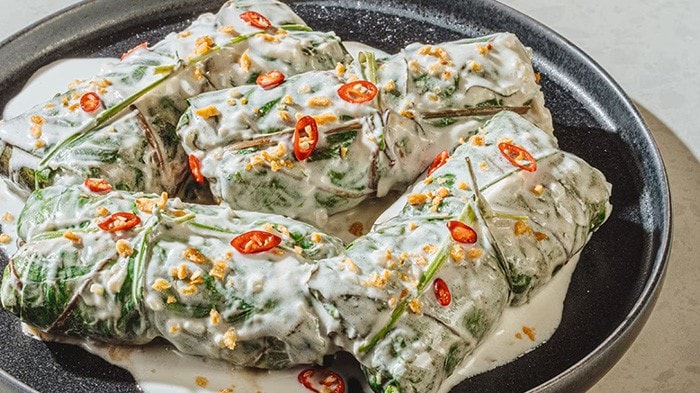
A specialty from Sorsogon, inulukan features crabmeat wrapped in taro leaves and cooked slowly in coconut milk. Try it with Knorr Sinigang sa Sampalok Mix for a subtle tang that balances the richness and deepens the flavor.
Bicol snacks and merienda
Here are simple bites that work well as all-day snacks, sides, or value meal add-ons.
12. Pancit Bato
Made with chewy, sun-dried noodles from Bato, Camarines Sur, pancit Bato is stir-fried with soy sauce, chicken broth, vegetables, and bits of meat or seafood. The noodles’ distinct texture gives it a rustic charm. It’s a reliable alternative to the typical canton or bihon, perfect for large parties.
13. Kinalas
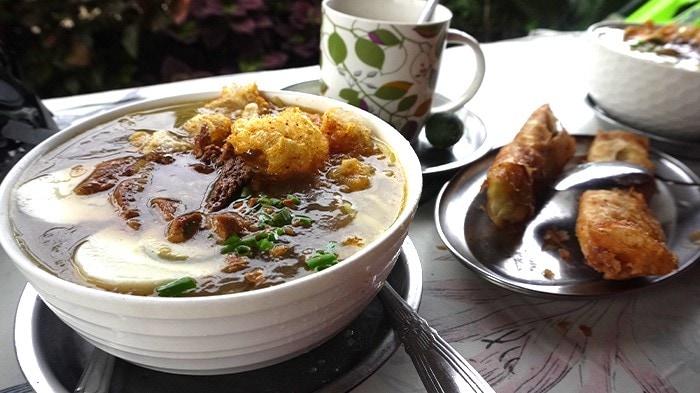
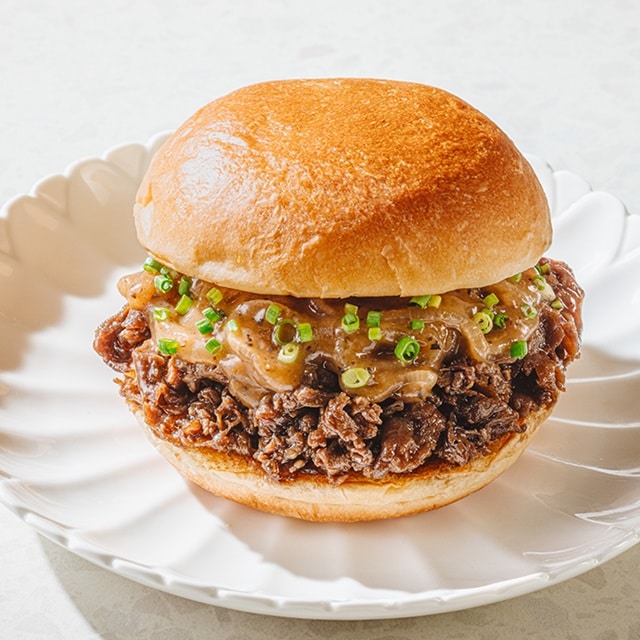
A well-known street staple in Naga City, kinalas is a hearty noodle soup topped with slow-cooked shredded beef and a thick, savory gravy made from the broth’s reduced stock. Market it as a local alternative to ramen or chicken mami that delivers the same satisfaction at a lower cost.
14. Toasted Siopao
Another famous food in Bicol, this siopao is crisp on the outside and soft inside, usually filled with savory pork asado. It’s portable and a steady bestseller in bakeries and kiosks. Pair it with pancit or noodle soups for affordable value meals.
15. Biniribid
A beloved Bicol merienda, biniribid features crunchy fried rice flour twists glazed with sugar, similar to shakoy or bicho-bicho. Best served with hot coffee or thick tsokolate!
Bicol desserts and sweets
Complete your menu with comforting sweets made with coconut, bananas, and pili nuts.
16. Pinakro
A humble dessert popular in Bicol homes, pinakro is made by simmering bananas in coconut milk, sugar, and pandan until the sauce thickens. It’s simple and inexpensive to make; perfect for cafés looking for traditional merienda dishes that pair well with coffee.
17. Tiwi Halo-Halo
The pride of Tiwi, Albay, this halo-halo highlights local ingredients like pili nuts, coconut strips, ube halaya, and sweetened fruits. Its hometown charm and customizable mix make it a crowd-puller for cafés and dessert shops. Offering a Bicol-style al halo-h o you a strong differentiator.
18. Linubak
Linubak is a simple, nostalgic Bicol dessert made of mashed cassava or saba bananas mixed with coconut milk and sugar. It’s creamy and comforting, perfect for carinderias, cafeterias, and home-style menus.
19. Pili Nut Brittle and Tarts
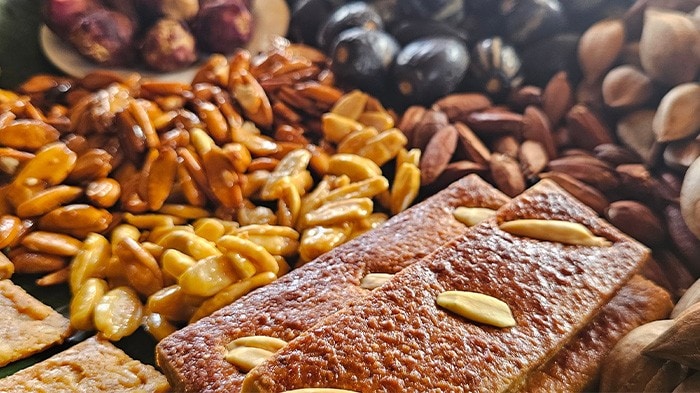
The pili nut, one of Bicol’s most treasured products, is known for its buttery texture and rich flavor. It can be turned into desserts like sugar-coated brittles or buttery tarts, and even ice cream. With growing demand for regional sweets, pili desserts command premium prices and instantly connect your brand to Bicol’s identity.
20. Mazapan de Pili
Mazapan de pili is a soft, chewy confection made from ground pili nuts, sugar, and milk. It’s one of the most iconic Bicol delicacies, loved for its smooth texture and rich flavor. You can also reinvent it with new flavor twists or creative add-ins.
Bicol food holds strong potential for any food business. Its dishes have widespread appeal, use affordable ingredients, and rely on flavors that are already perfectly balanced. Stay true to the classics that have stood the test of time, but don’t be afraid to experiment. With creativity and respect for tradition, you can keep Bicol’s signature warmth and spice alive in fresh, exciting ways. Want more ideas to future-proof your menu? Download the Future Menus Report today.