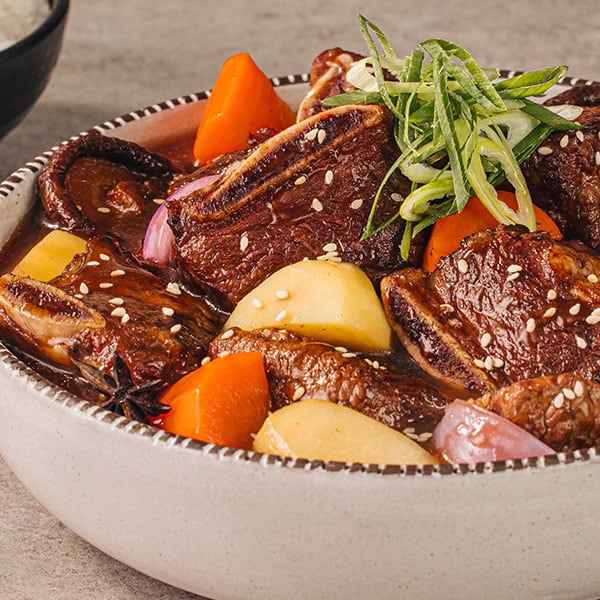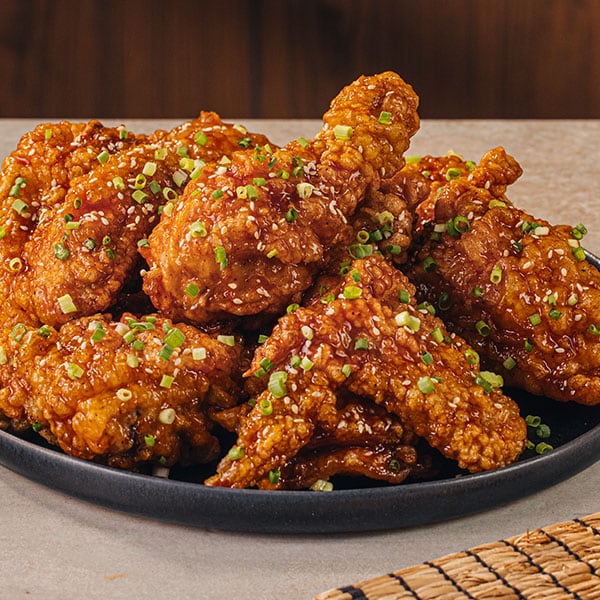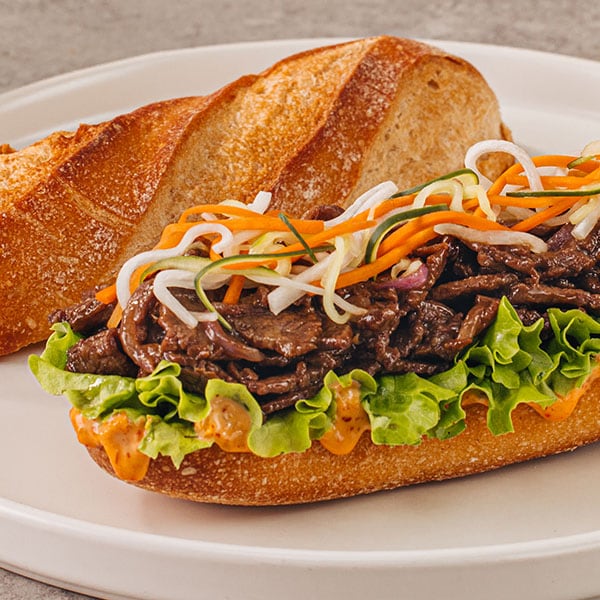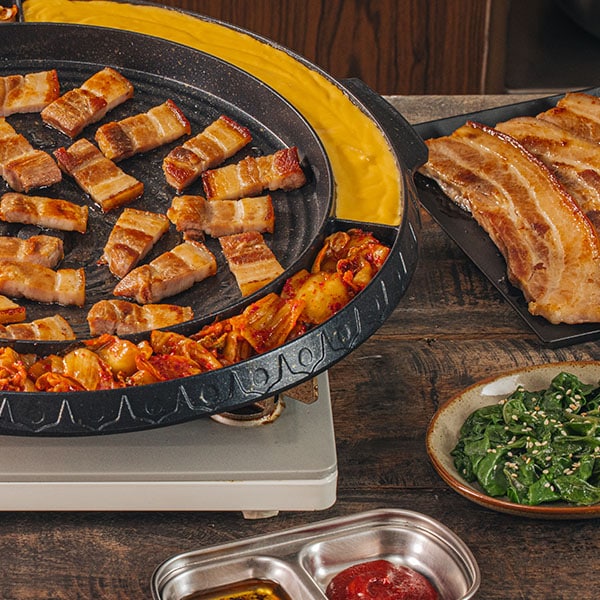
Korean food has become the fastest-growing global cuisine in the Philippines. What once existed mainly in small neighborhoods and low-key barbecue spots has grown into a mainstream dining favorite. Filipino diners today are not just ordering samgyupsal out of habit. Many lean into stews, rice bowls, street snacks, and side dishes that reflect a deeper curiosity and appreciation for all things Korean.
For food businesses, this momentum signals a strong opportunity. Take a closer look at the factors driving Korean food’s success today and how you can bring these flavors into your kitchen with confidence.
What Defines Korean Cuisine?
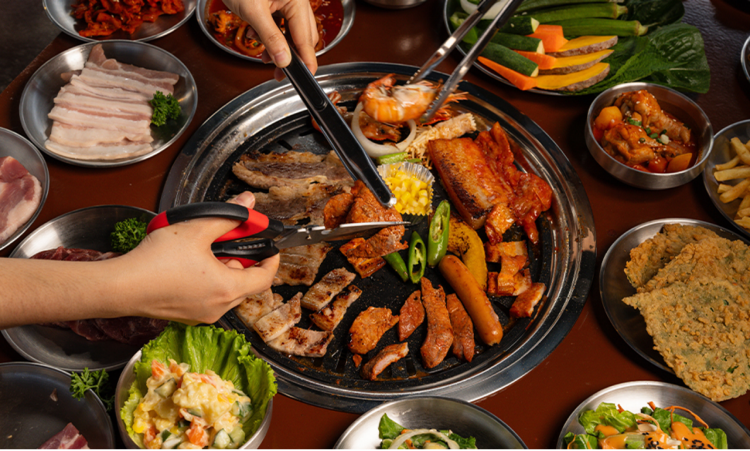
Many Filipino diners first discover Korean food through barbecue or spicy dishes, but the cuisine extends far beyond these entry points. It follows a clear structure and a deliberate approach to building flavor. Chefs develop depth through fermented ingredients, seasoned broths, and tested techniques.
Korean food also places strong emphasis on how dishes come together on the table. Soups or stews anchor the meal, rice provides balance, and side dishes add contrast. This approach aligns closely with Filipino dining habits, making South Korea’s famous food feel familiar and enjoyable.
Core Characteristics of Top Korean Food
Typical Korean food centers on balance of flavors and not on one standout ingredient or technique.
Fermentation as a foundation
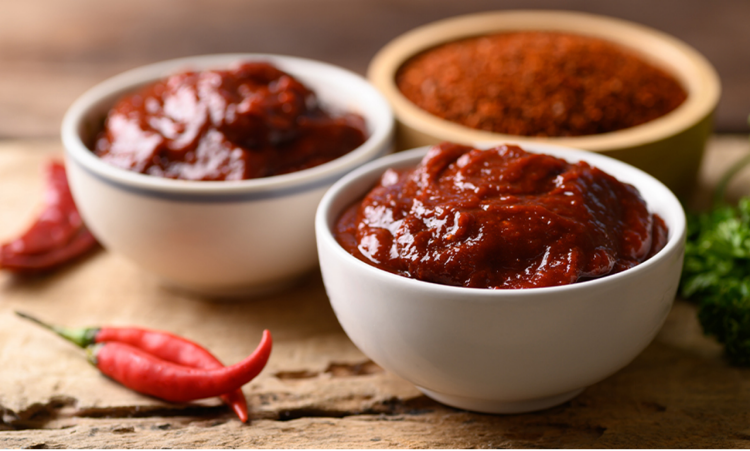
Fermented ingredients like doenjang, gochujang, and kimchi do more than season a dish. They form the base of many recipes, delivering depth that gives Korean food its distinct character.
Soups and stews as centerpieces
In Korean cuisine, jjigae (stews) and soups often take the lead in a meal. These dishes anchor the table, pair well with rice, and provide the kind of comfort that encourages repeat orders.
Ingredient-driven cooking
Vegetables play a major role in famous Korean dishes, with meat or seafood supporting rather than dominating the dish. This approach keeps meals filling without feeling heavy.
Umami from broths and pastes
Korean cooking builds flavor through layers. Broths, fermented pastes, and aromatics work together to create richness.
Korean Flavor Profile Breakdown
The best Korean food relies on a mix of flavors that support each other, making every dish feel well-rounded and comforting. These elements surface:
- Savory depth from fermented soybean pastes and long-simmered bases
- Controlled heat from chili pastes and flakes
- Distinct aroma from sesame oil and garlic
- Subtle sweetness from marinades, onions, and vegetables
The Building Blocks of Korean Cuisine
Explore the essential ingredients behind Korean food to deliver authentic flavor:
- Gochujang – Fermented chili paste that brings heat with a touch of sweetness
- Doenjang – Soybean paste with earthy, savory notes
- Ganjang – Korean soy sauce used to season dishes and build umami
- Sesame oil – Aromatic oil that adds a distinct nutty finish
- Garlic and onions – Foundational aromatics used across marinades and stir-fries
- Tofu – A common protein in soups and stews
- Gochugaru – Korean chili flakes that add warmth and color without overpowering heat
- Anchovy-kelp base – A traditional foundation for soups and stews that provides clean umami
- Short- and medium-grain rice – The backbone of most Korean meals, meant to pair with savory dishes
Popular Korean Food for Filipino Diners
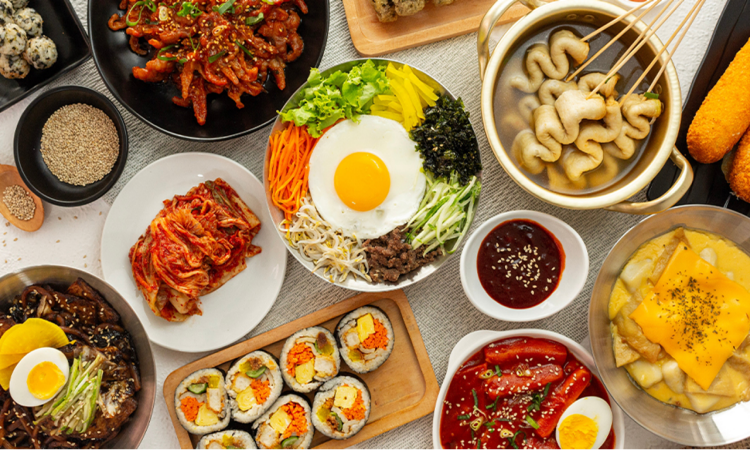
These are the top Korean food items that win over the Philippine market. They serve as reliable entry points for diners and strong performers for restaurants.
- Samgyupsal – Grilled pork belly served with lettuce wraps, rice, and dipping sauces
- Kimchi jjigae – Spicy kimchi stew with pork and tofu
- Bibimbap – Mixed rice bowl topped with vegetables, meat, egg, and gochujang
- Japchae – Sweet-savory glass noodles stir-fried with vegetables and meat
- Tteokbokki – Chewy rice cakes cooked in a spicy-sweet sauce
- Korean fried chicken – Crisp fried chicken coated in signature Korean sauces
- Ramyeon – Korean noodle soup served plain or upgraded with toppings
- Bulgogi – Thinly sliced marinated beef
- Sundubu jjigae – Soft tofu stew with pork or seafood
- Doenjang jjigae – Soybean paste stew and a staple in Korean homes
- Gyeran jjim – Steamed egg custard served hot and fluffy
- Bossam – Boiled pork slices served with wraps and flavorful accompaniments
- Kimbap – Seaweed rice rolls that work well for takeout and grab-and-go
- Odeng or eomuk – Fish cake skewers simmered in a light, savory broth
- Haemul pajeon – Savory pancake filled with seafood and scallions
Korean Snacks That Drive Incremental Sales
Korean snacks are ideal for increasing average order value without complicating operations.
- Korean corn dogs – Deep-fried hot dogs or cheese coated in batter and crisp toppings
- Dakgangjeong bites – Bite-sized fried chicken glazed lightly with a sweet-spicy sauce
- Bungeoppang – Fish-shaped waffles filled with sweet red bean or custard
- Egg drop sandwich – Soft brioche-style bread filled with fluffy eggs and meats
- Corn cheese – Sweet corn tossed in butter and cheese
- Tornado potato – Spiral-cut potato skewers fried until crisp and seasoned
- Fried mandu – Crisp dumplings filled with meat or vegetables
- Hotteok – Pan-fried sweet pancakes filled with brown sugar, nuts, or seeds
- Injeolmi – Soft rice cakes coated in roasted soybean powder
- Gilgeori toast – Street-style toast layered with egg, cabbage, and light sauce
Banchan: The Side Dishes That Complete a Korean Meal
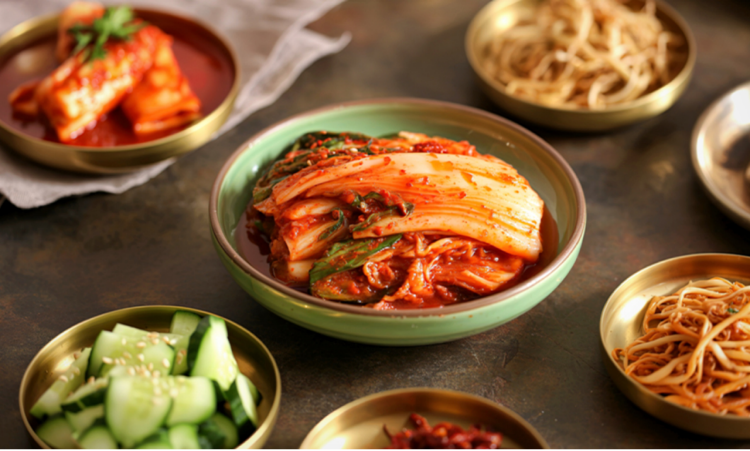
Banchan are small side dishes served alongside rice and main dishes in Korean meals. More than simple accompaniments, banchan shape how diners eat and experience Korean food. They refresh the palate, turning a single dish into a more complete dining experience.
Kimchi, considered the national dish of Korea, is the most well-known example. However, banchan go far beyond it. These small plates represent a wide range of Korean delicacies, from lightly seasoned vegetables to savory proteins and fermented items. Served in modest portions, banchan allow diners to sample different flavors without committing to another full order.
For restaurants, banchan also play a strategic role. They elevate perceived value and introduce new flavors in a low-risk way. Many banchan rely on simple ingredients, keeping food costs manageable while adding visual fullness and variety to the table.
Some common banchan that appeal to the Filipino palate:
- Kimchi – Fermented cabbage with chili, garlic, and seasoning
- Kkakdugi – Cubed radish kimchi with a crisp texture and refreshing bite
- Oi muchim – Spicy cucumber salad that cuts through rich dishes
- Gamja jorim – Soy-braised potatoes with a sweet-savory glaze
- Kongnamul muchim – Seasoned soybean sprouts dressed with sesame oil
- Sigeumchi namul – Blanched spinach mixed with garlic and sesame
- Eomuk bokkeum – Stir-fried fish cakes with a savory-sweet sauce
- Jangjorim – Soy-braised beef or eggs served in small portions
- Danmuji – Mild, slightly sweet pickled radish often paired with fried or grilled dishes
- Myulchi bokkeum – Stir-fried dried anchovies cooked in a lightly sweet-savory sauce
Why Korean Cuisine Resonates Strongly with Filipino Diners
Korean food continues to gain traction in the Philippines because it fits into how Filipinos eat. These factors explain why Korean cuisine feels like a natural match rather than a passing trend.
1. Rice-based meals feel familiar.
Most typical Korean food revolves around rice, just like Filipino meals. Dishes like bibimbap, jjigae, and bulgogi are meant to be eaten with rice, which makes them easy for local diners to understand.
2. Comfort-driven dishes suit daily meals.
Korean cuisine puts soups, stews, and warm dishes at the center of the meal. Items like kimchi jjigae and doenjang jjigae deliver the kind of comforting, filling experience Filipinos often look for during rainy days or long workweeks.
3. Shared dining culture mirrors how Filipinos eat.
Korean meals often encourage sharing, whether through tabletop grilling or shared side dishes. Formats like samgyupsal, bossam, and pajeon align with Filipino family-style dining, making Korean food a go-to choice for barkada meals and group celebrations.
4. Layered flavors match local preferences.
Korean food combines savory, spicy, and lightly sweet elements in a way that feels familiar to Filipinos.
5. Strong value perception drives demand.
Korean cuisine adapts well to different restaurant formats, from casual dine-in to cafés and snack concepts. Unlimited samgyupsal positions Korean food as generous and high value in the eyes of Filipino diners.
Tips for Bringing Korean Food to Your Menu
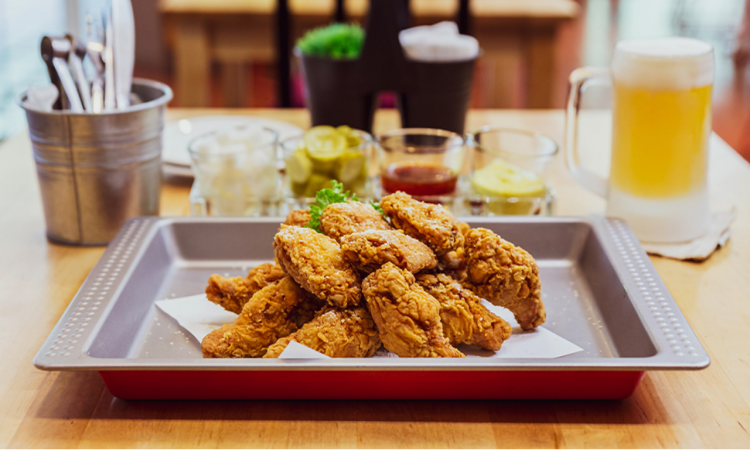
Introducing Korean food into your business comes with challenges. These tips help ensure success.
1. Start with stews and rice meals.
Soups and jjigae offer an easier introduction than tabletop grills and barbecue setups. Many of the ingredients and equipment needed already exist in Filipino kitchens. Stews and rice meals also fit naturally into everyday dining.
2. Use ready components for recipes.
Building Korean broths from scratch can take time and introduce inconsistency. Products like Knorr Pork Broth Base help deliver the savory depth Korean dishes require while improving speed and consistency.
3. Adjust spice levels.
Korean food does not rely on extreme heat to feel authentic. Many Filipino diners prefer milder spice, especially for stews and everyday meals. Kitchens can tone down heat without losing character or offer customizable spice levels.
4. Design menus with delivery in mind.
Not all Korean dishes travel well. Rice bowls, stews, and noodle dishes hold up better than grilled or deep-fried items.
5. Train staff on flavor profiles.
Staff need more than recipes to execute Korean food well. Understanding the difference between gochujang-based and doenjang-based dishes helps teams season correctly and explain items to diners.
6. Explore Pinoy-Korean crossovers.
Korean food also adapts well to Filipino ingredients and tastes. Bibimbap can feature Filipino meats, kimbap can take inspiration from adobo, and banchan can lean into familiar vegetables and seasonings.
Korean food in the Philippines continues to grow beyond kimchi and samgyup, with diners actively seeking it out across dine-in and delivery. Strong demand and flexible formats give food businesses a clear opportunity to grow sales without adding complexity. Put the cuisine to work on your menu now and capture demand while it’s still accelerating.
/600x600px_Stir Fried Meat_2.jpg "Jeyuk Bokkeum (Korean Spicy Pork Stir-fry)")