What is halal food? And how do you ensure your menu complies with halal standards? Answering these questions can help your business meet the growing demand from Filipino diners who look closely at what goes into their plates.
Halal food goes beyond removing pork from a recipe. It requires you to follow Islamic dietary laws, observe proper slaughter practices, and prevent cross-contamination during prep. This guide breaks down the standards and shows how to apply them correctly so you can operate with confidence.
What Is Halal Food?
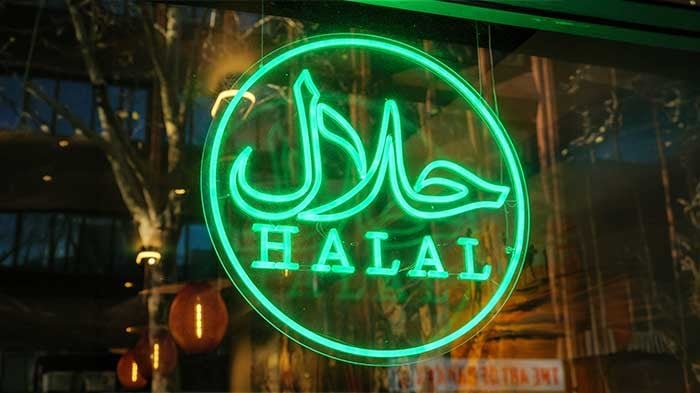
Halal food is food that complies with Islamic dietary laws covering ingredients, slaughter practices, and food handling. It must follow religious requirements from sourcing through preparation and service.
To understand the halal food meaning, start with the word itself. “Halal” means permissible under Islamic law. In foodservice, halal sets clear rules on what ingredients you can use, where meat comes from, and how the kitchen prevents contamination.
Halal food does not simply mean “pork-free.” It does not refer to a specific cuisine, and it does not automatically mean healthier or organic.
If you plan to serve halal food, you must:
● Source meat and poultry from halal-certified suppliers
● Prevent cross-contamination in storage and preparation areas
● Use separate equipment or thoroughly controlled systems
● Verify sauces, dressings, and processed ingredients
● Train staff to understand Islamic dietary laws
For example, a dish may use halal-certified chicken, but it stops being halal if you fry it in oil previously used for pork or allow it to touch non-halal surfaces. By contrast, a seafood dish prepared with alcohol-free seasonings, stored separately, and cooked using dedicated equipment can qualify as halal when the kitchen maintains proper controls.
Islamic Dietary Laws Explained
Islamic dietary laws determine what Muslims can and cannot consume. These rules apply across countries and cuisines. Whether a dish is Filipino, Middle Eastern, or Western, it must meet the same religious standards to qualify as halal food.
What is considered haram?
“Haram” refers to anything forbidden under Islamic law. In food, this includes:
● Pork and all pork-derived products
● Alcohol and intoxicants
● Blood and blood by-products
● Meat from animals not slaughtered according to Islamic requirements
Even small amounts of forbidden ingredients invalidate a dish. Under Islam food restrictions, intent does not replace compliance. If the kitchen fails to control sourcing or handling, the food does not qualify as halal.
What Makes Meat Halal? Slaughter Laws Explained
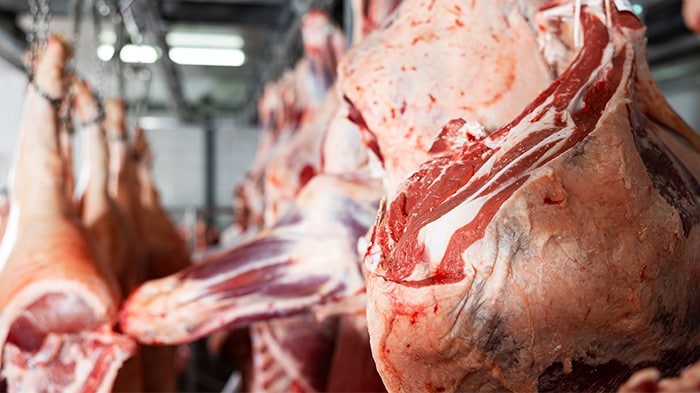
For meat to qualify as halal, the animal must be healthy at the time of slaughter. A trained Muslim must perform the slaughter while reciting a prayer. Steps are taken to allow the blood to drain completely before further processing or consumption. These requirements form part of Islamic dietary laws. Standard commercial slaughter practices do not automatically meet these conditions.
Meat that does not follow these rules does not qualify as halal, even if the animal itself is permitted. For restaurants, this means you cannot assume regular suppliers meet halal standards. You must verify that your meat comes from halal-certified sources.
Cross-Contamination in Halal Food
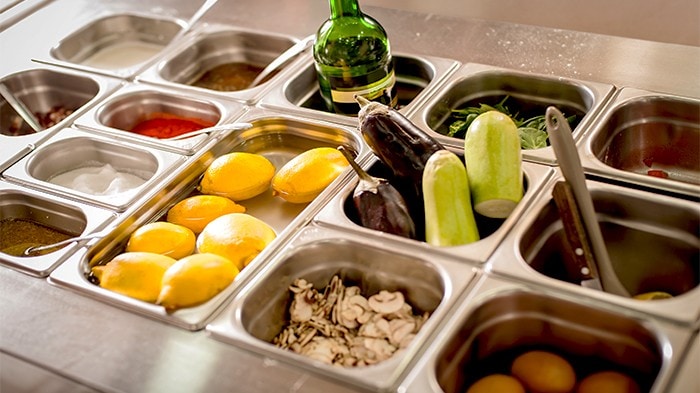
Halal compliance does not end with sourcing. Cross-contamination can immediately invalidate a dish.
Food becomes non-halal the moment it comes into contact with pork, alcohol, or equipment used for non-halal preparation. Shared fryers, chopping boards, storage shelves, or prep surfaces can compromise an otherwise compliant recipe. Even accidental contact breaks compliance. That is why Muslim diners often ask detailed questions about kitchen procedures, not just ingredients.
If you choose to serve halal food, you must enforce clear separation, proper labeling, consistent staff discipline, and documented handling procedures. Halal integrity depends on operational control, not assumption.
Halal Certification in the Philippines
For food businesses that want to serve halal food with confidence, halal certification provides formal verification that products and kitchen processes meet accepted Islamic standards. In the Philippines, this framework operates under national law known as the Philippine Halal Export Development and Promotion Program Act of 2016 (Republic Act No. 10817), which supports halal industry standardization.
What does halal certification cover?
Halal certification confirms that your ingredients, suppliers, kitchen practices, and handling systems comply with religious requirements. It evaluates the entire operation to ensure that every step meets halal standards.
This level of scrutiny provides diners with assurance that your kitchen consistently follows Islamic dietary laws and handling protocols.
Who issues halal certification?
The National Commission on Muslim Filipinos (NCMF) supports Republic Act No. 10817 and accredits halal-certifying bodies that conduct audits and issue certification to qualified businesses. Accredited organizations include the Halal Development Institute of the Philippines and the Halal International Chamber of Commerce and Industries.
How halal certification works
The halal certification process typically includes application, document evaluation, on-site inspection, corrective actions when needed, certification approval, and periodic monitoring for renewal.
Is halal certification required?
Certification is voluntary for domestic foodservice establishments, but it carries far more credibility than informal claims. Formal certification shows diners that your business takes halal integrity seriously and offers products they can trust.
Halal Food Menu Planning
Building a halal food menu does not require a complete overhaul of your offerings. Many dishes already qualify as halal when you source ingredients properly and enforce strict kitchen controls.
Halal-compliant food categories
Several food categories meet halal standards by default when prepared in a controlled environment:
● Seafood
● Vegetables and fruits
● Rice and grains
● Eggs and legumes
Items requiring halal verification
Some ingredients demand stricter review because compliance depends on sourcing and preparation:
● Chicken and beef
● Sauces and marinades
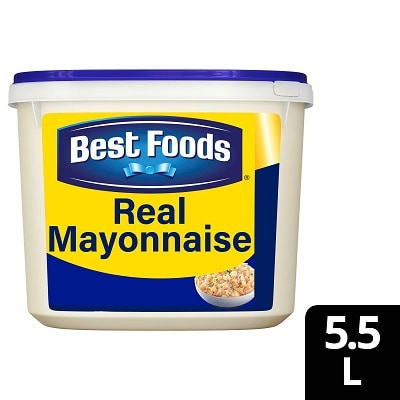
● Cheese, mayonnaise, and dressings
Pantry staples also require verification to ensure full compliance with Islamic dietary laws. For example, you can source halal-certified foodservice products from UFS to support menu development. These include the following products:
● Lady’s Choice Real Mayonnaise
● Lady’s Choice Cheddar Cheese Mayo
● Lady’s Choice Thousand Island
Even when using certified products, maintain proper storage separation and documented kitchen controls to protect halal integrity.
Menu inspiration from Mindanao food traditions
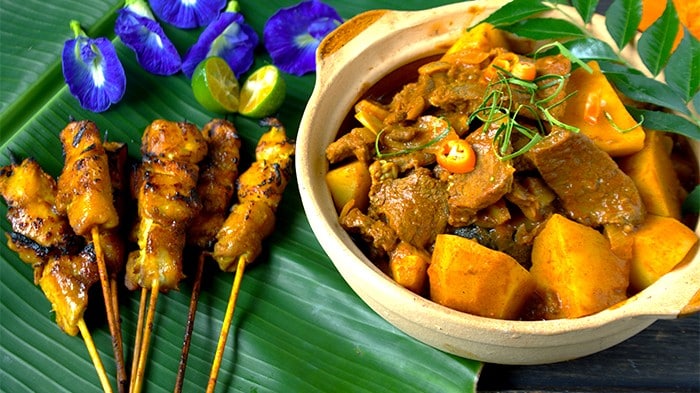
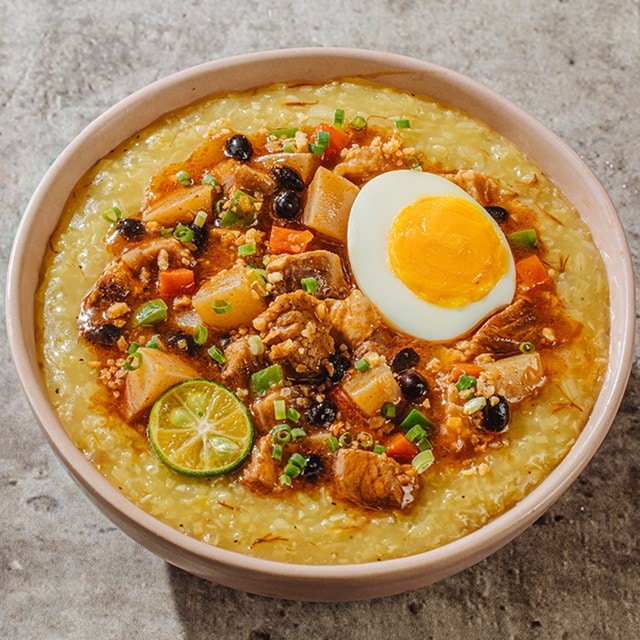
When diners search for halal food in the Philippines, many look toward dishes rooted in Mindanao food culture. Several famous food in Mindanao categories align with halal practices when prepared with certified ingredients and proper handling.
Examples include:
● Beef kulma
● Tiyula itum
● Satti
● Pastil
Who Eats Halal Food?
For practicing Muslims, halal food is not a lifestyle trend. It is a religious obligation that influences daily decisions about where to dine.
In the Philippines, diners in regions shaped by Mindanao food traditions actively look for halal options. Muslim families, travelers, professionals, and students often choose establishments that clearly follow halal standards. Some non-Muslim customers also prefer halal-certified restaurants because they value structured sourcing and disciplined kitchen practices.
What Does Halal Food Mean for Businesses?
When you apply halal standards correctly, you build credibility and expand your market reach. This matters even more in areas shaped by Mindanao halal dining culture, where diners expect precision and transparency.
For foodservice operators, halal certification can:
● Increase trust with Muslim customers
● Strengthen your brand as an inclusive establishment
● Open access to halal tourism and export opportunities
Understanding what halal food is goes beyond compliance. It shows how seriously your business respects customer trust. In a market where diners scrutinize sourcing and standards, getting halal right sets your establishment apart. Make it part of your strategy and position your restaurant as a trusted choice in the F&B landscape.





.jpg)