Restaurant owners often prioritize menu and service when starting a food business. They overlook the crucial role of restaurant layouts in shaping the dining experience. A well-planned layout – whether for a fine dining restaurant, a neighborhood café, or a small food stall – can increase revenue, boost staff efficiency, and improve guest satisfaction. Here’s how to optimize every section of your restaurant floor plan and unlock its full potential.
What Is a Restaurant Layout and Floor Plan?
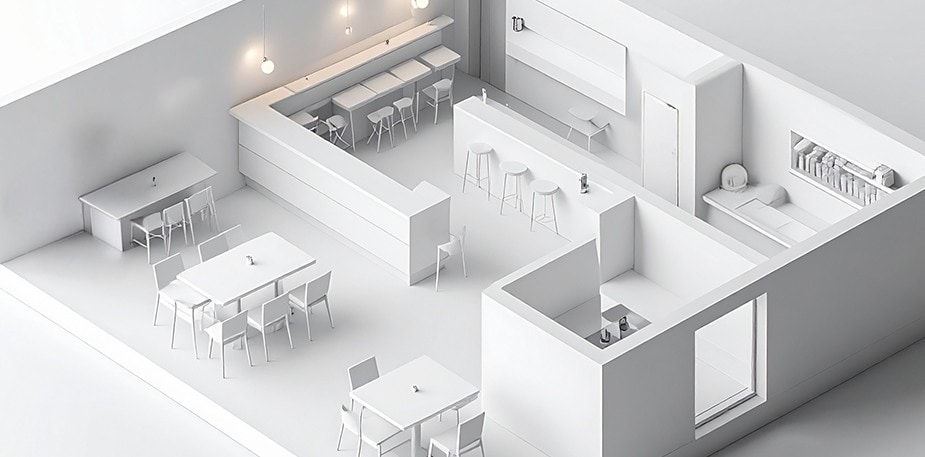
A restaurant layout is a visual showcase of the arrangement and organization of different spaces within an establishment. It illustrates the position and distance between each room or section and its contents.
A standard blueprint includes the following restaurant elements:
● Walls
● Hallways
● Windows
● Doors
● Kitchen
● Counters
● Shelves
● Sinks
● Equipment
● Light fixtures
● Tables
● Chairs
● Electrical outlets
● Restroom
● Staff area or backroom
● Emergency exit
Types of Restaurant Layout Designs
Every restaurant layout design has its own strengths and challenges. Understanding the main types helps operators choose a floor plan that fits their concept, space, and target diners.
1. Zone layout
A zone layout divides the restaurant into separate sections based on function, such as kitchen, prep, storage, bar, and dining. This approach is common in both casual and fine dining restaurants, where clear boundaries make it easier to manage staff responsibilities and keep operations efficient.
● Pros: Keeps similar functions together, increases speed, and reduces confusion.
● Cons: Needs careful planning to avoid bottlenecks, especially in hallways during peak service.
2. Open kitchen layout
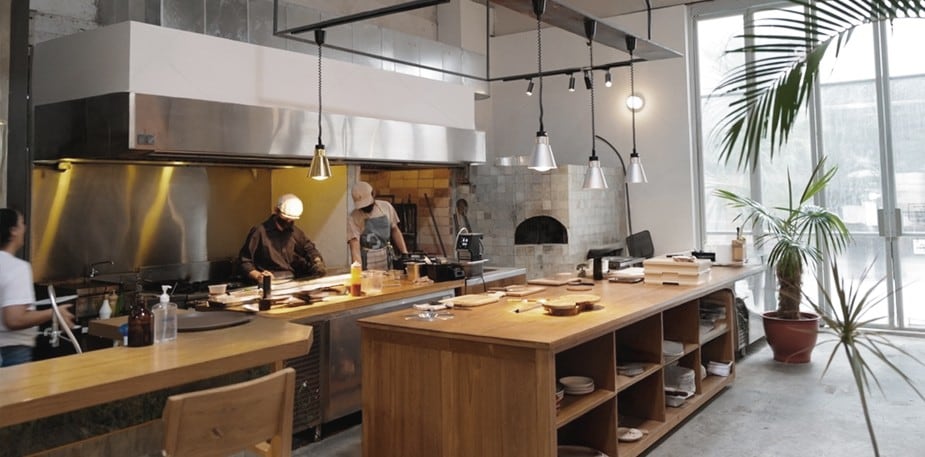
In an open kitchen layout, the cooking area is visible to diners. This design highlights transparency and creates an interactive dining experience, where guests can watch food being prepared. It works well in modern cafés, fine dining restaurants, and food stalls that want to showcase culinary skill.
● Pros: Builds trust, enhances the dining experience, and can reinforce brand identity.
● Cons: Noise, heat, and odors may affect guest comfort if ventilation and spacing are not managed well.
3. Linear or assembly layout
A linear layout organizes workflow in a straight line, with each station arranged in sequence from food prep to service. It is common in small restaurants, cafeterias, and food stalls where speed and efficiency matter most.
● Pros: Ideal for small restaurant layout plans and food stall floor plans. Streamlined flow works well for fast service.
● Cons: Offers limited flexibility, less seating variety, and can feel restrictive for both diners and staff.
4. Fine dining layout
A fine dining restaurant layout prioritizes comfort, elegance, and privacy. Tables are spaced farther apart, lighting is carefully designed, and décor sets the tone for a premium experience. This layout often includes private dining areas, wine displays, and specialized service stations.
● Pros: Provides more space per guest, elevates ambiance, and allows for personalized service.
● Cons: Requires higher build costs, more staff, and larger space allocation compared to casual formats.
5. Hybrid layout
A hybrid layout combines elements of different designs. For example, an open kitchen paired with a fine dining room, or a quick-service counter alongside a sit-down area.
● Pros: Offers versatility and serves diverse customer needs. Suitable for multi-concept restaurants.
● Cons: Can be harder to manage and requires clear zoning to avoid operational confusion.
How to Choose an Effective Restaurant Layout
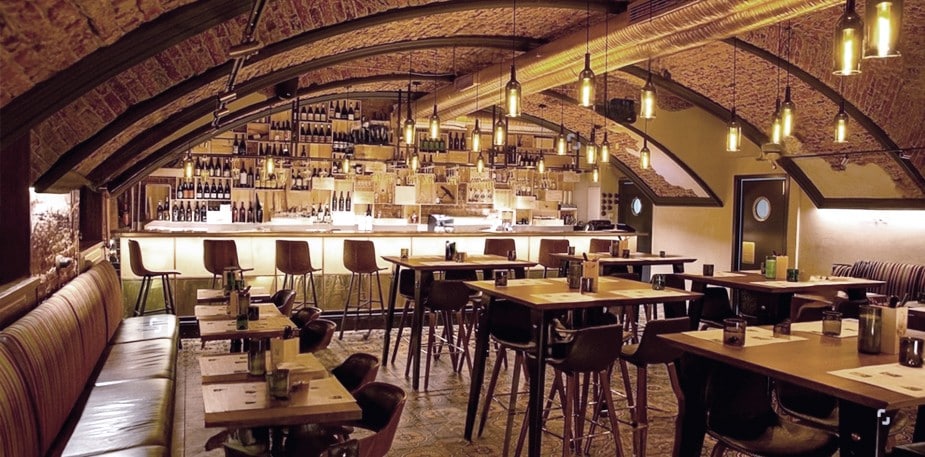
An effective restaurant layout balances efficiency, comfort, and brand identity. Here are some principles to guide your design:
• Prioritize flow: Ensure staff can move easily between kitchen, POS, and tables without obstruction.
• Match concept to space: Align the layout with your restaurant style, from casual cafés to fine dining.
• Define service style: Layout should match whether you use tableside service, counter service, or self-service.
• Plan seating carefully: Allocate 1.5–2 square meters per guest to balance comfort and capacity.
• Design waiting areas: Provide pickup zones for delivery riders and seats for guests during peak hours.
• Highlight the entrance: Use signage, décor, and lighting to make the entrance inviting and reflective of your brand.
• Optimize restrooms: Keep them clean, functional, and easy to access.
• Set the right lighting: Adjust brightness depending on concept (e.g., warm for fine dining, bright for fast casual).
• Choose décor strategically: Colors, textures, and furnishings should reinforce your restaurant theme.
• Ensure flexibility: Use movable furniture or modular layouts for events and peak hours.
Factors to Consider When Designing a Restaurant Floor Plan
A dining room floor plan is more than just tables and walls. The right design considers customer needs, staff workflow, and adaptability.
• Size and capacity: Small restaurants benefit from efficient layouts, while larger ones can prioritize comfort.
• Target market: A dining room floor plan for families differs from one meant for office workers, students, or fine dining guests.
• Ventilation and acoustics: Good airflow and noise control improve comfort.
• Safety and compliance: Plans must include emergency exits, fire safety features, and pathways that reduce accidents.
• Brand identity: Décor, colors, and layout should reinforce the restaurant’s theme.
• Zoning: Separate areas for dining, kitchen, storage, and staff to maintain efficiency and hygiene.
Restaurant Floor Plan Examples
Each type of restaurant floor plan serves a different purpose, depending on concept and size. Here are examples to inspire your design:
Kitchen area floor plan
A productive kitchen divides the space into stations: prep, cooking, washing, and storage. Multipurpose appliances help smaller kitchens save space.
Dining room floor plan
A mix of booths for groups and bar seating for quick diners creates balance. Casual cafés often place counters against windows for solo diners, while booths at the back suit families.
Bar layout
A bar can serve as both a gathering spot and a focal point. Positioning it near the entrance attracts attention, while a central bar works as a hub for service and socializing.
Restroom placement
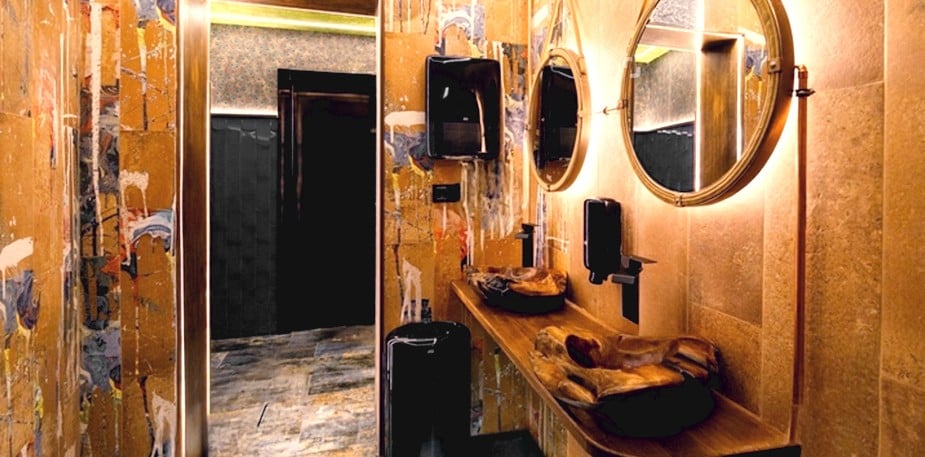
Restrooms don’t need to take up much space, but their placement matters. Keep them close to the dining area with clear signage.
Food stall floor plan
For compact food stalls, linear layouts with open counters allow quick service and easy visibility of food preparation.
Small restaurant layout plan
Smaller restaurants maximize capacity with long benches, communal tables, or counters against walls.
Outdoor dining floor plan
Outdoor seating expands capacity and creates an inviting atmosphere, especially in high-foot-traffic areas.
Café layout
Cafés often use smaller tables, communal benches, and easy access to outlets. Placing the counter near the entrance allows quick orders, while softer seating in the back encourages longer stays.
Common Restaurant Layout Mistakes to Avoid
A restaurant floor plan can make or break the dining experience. Even with great food and service, poor design choices often lead to inefficiency, discomfort, and lost sales. Avoid these common mistakes:
● Overcrowding tables, which disrupts service and comfort.
● Ignoring restrooms, which reflect overall hygiene.
● Forgetting delivery and pickup zones in today’s hybrid dining environment.
● Neglecting accessibility, which limits inclusivity and guest satisfaction.
● Using poor lighting, which affects ambiance and food presentation.
● Designing inefficient kitchen-to-dining routes, which slows service.
● Overlooking ventilation and acoustics, which impact comfort and dining experience.
Why You Need to Improve Your Restaurant Layout
You should invest time and effort to optimize your restaurant layout for three main reasons:
1. Enhanced employee efficiency
A well-designed layout ensures smooth workflow and seamless operations. For waitstaff to do their job correctly, they need open pathways between the kitchen and dining area. This can lead to faster service, improved staff productivity, and better turnover rates.
2. Heightened comfort
Dining comfort is another major factor to consider. The layout can influence the overall experience of customers. A thoughtfully designed space creates a pleasant and comfortable ambiance, making customers feel welcome and relaxed.
3. Optimal restaurant capacity
A general guideline is to allocate 60% of your total floor area for dining. The remaining 40% is for the kitchen, prep area, and storage. Creating this balance allows for an efficient use of space and maximizes sales without negatively impacting diner comfort.
Follow these recommendations to optimize your restaurant layout for maximum efficiency and revenue. A thoughtful floor plan, whether for a food stall, casual diner, or fine dining restaurant, sets the stage for smoother operations and memorable guest experiences. Embrace the challenge and get creative in utilizing every corner of your establishment.