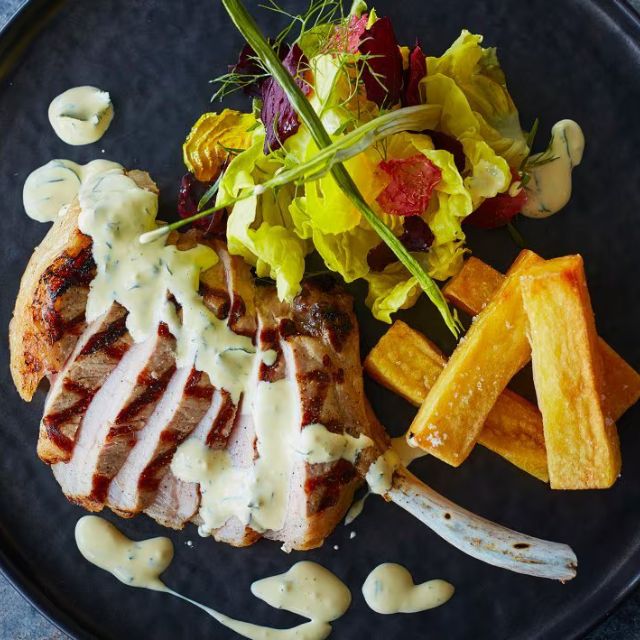
Launching a food business is exciting. However, it takes more than great recipes to succeed. Your menu may bring in the sales, but it’s your kitchen setup that keeps food coming out fast and consistent. If you want your back-of-house operations to run efficiently, use this complete kitchen equipment list. Whether you’re launching a small café, turo-turo, or bakery in Manila, Cebu, or Davao, this kitchen equipment list ensures you invest only in what you truly need to start efficiently. It will help you stay organized and maintain the same quality in every dish that leaves your kitchen. This is your ultimate restaurant equipment checklist, featuring essential commercial cooking equipment, prep tools, and Asian kitchen utensils you need from day one.
Cooking Equipment for Commercial Kitchens
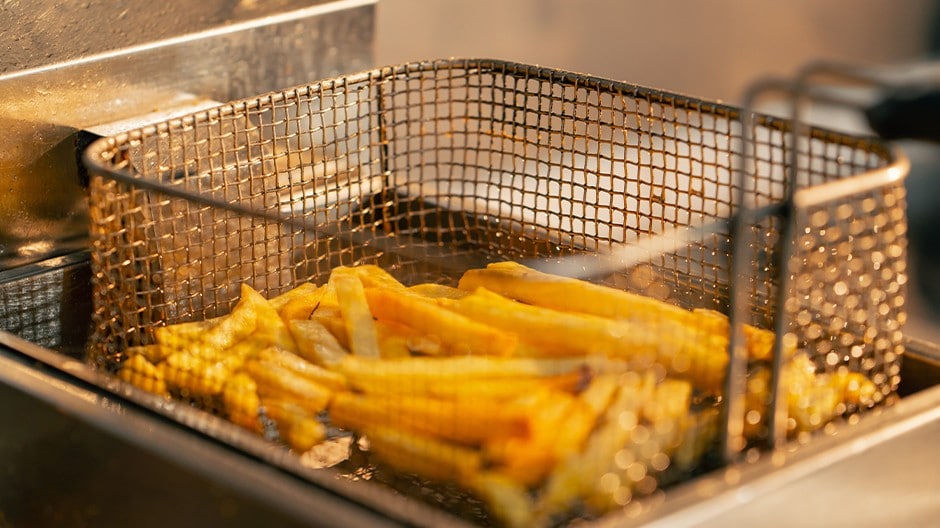
Cooking appliances are the heart of your kitchen. This category covers your key equipment for commercial cooking that allows you to deliver food seamlessly every service.
- Gas range with oven
A four- to six-burner gas range lets you sauté, boil, or pan-fry while the built-in oven handles roasting and baking. This multipurpose tool is the foundation of any startup kitchen because it supports daily bestsellers like fried rice, sauces, and ulam recipes. - Single-burner wok range
Essential for Asian menus, the wok range delivers strong flames that create that signature sear or wok hei. Use it for stir-fries, noodle dishes, and sauces with deep smoky flavor. - Flat-top griddle
The flat-top’s even surface lets you cook burgers, longganisa, and eggs at once. It’s ideal for silog-style breakfasts and quick service items that demand speed. - Charbroiler or tabletop grill
A grill adds authentic barbecue flavor without the need for charcoal pits. It’s perfect for chicken inasal, pork chops, or yakiniku. - Deep fryer
A fryer keeps oil temperature stable for consistent crispiness. Use it for fried chicken, katsu, or street food like kwek-kwek. - Rice cooker
For Filipino kitchens, a rice cooker is non-negotiable. A large, durable one ensures fluffy, evenly cooked rice even during high-demand hours. - Steamer or steam cabinet
Steamers are must-haves for siomai, dumplings, or puto. They also allow you to cook or reheat dishes without drying them out. - Induction cooktop
Compact, fast, and energy-efficient, an induction cooker is excellent for small kitchens or stalls with limited ventilation. - Convection oven
A convection oven uses circulating heat for even baking and roasting. It’s ideal for pastries, lechon manok, and baked pasta dishes that need even browning. - Pressure cooker
This tool shortens cooking time for tough cuts like pork pata or beef shank. It’s valuable for startup kitchens that want to offer slow-cooked favorites without waiting hours.
Refrigeration and Cold Storage in Professional Kitchens
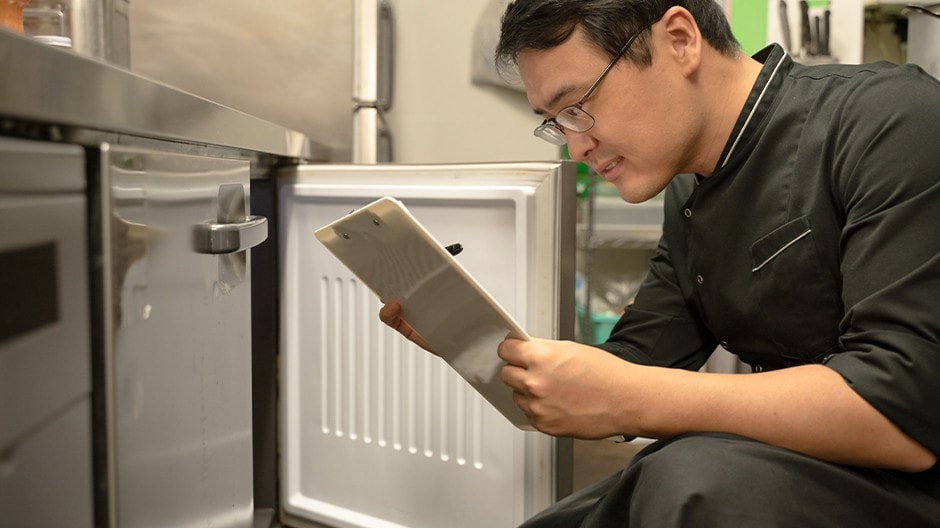
Cold storage ensures freshness and reduces spoilage. It also allows you to expand your menu with dessert options.
- Reach-in refrigerator
This is your main chiller for meats, vegetables, and sauces. Keeping everything at safe temperatures ensures food safety and consistent flavor. - Chest freezer
A chest freezer stores bulk meats or pre-fried items ready for service. - Undercounter refrigerator
An undercounter chiller saves space and keeps ingredients close to the cooking line for faster assembly. - Blast chiller or shock freezer
While not always required for startups, a blast chiller rapidly cools hot food to safe temperatures, extending shelf life and minimizing waste. - Ice machine
Having your own ice source helps with preparing beverages, cooling broths, and maintaining safety standards.
Food Preparation Tools Every Kitchen Needs

Prep equipment defines your efficiency. Acquaint yourself with these kitchen equipment names and their functions to streamline your kitchen flow.
- Stainless steel worktable
This durable surface is your prep area for cutting, marinating, and portioning. It’s easy to clean and built for daily use. - Color-coded chopping boards
Use separate boards for meats, seafood, and vegetables. Color-coded boards help you avoid cross-contamination and maintain sanitation standards. - Chef’s knives and paring knives
Sharp knives are the most vital tools in any restaurant kitchen utensils list. They make prep faster and safer while improving portion control. - Honing steel or knife sharpener
Maintaining a sharp edge extends your knife’s life and keeps cuts clean. - Commercial blender
For sauces, marinades, and soups, a high-powered blender ensures smooth textures. It’s perfect for items like salted egg sauce or creamy soup bases. - Stick or immersion blender
A handheld blender lets you puree sauces or soups directly in the pot, saving time and reducing cleanup. - Food processor
Use a food processor to shred vegetables, mince aromatics, or grind breadcrumbs. It cuts prep time for high-volume orders. - Mixing bowls (stainless or plastic)
Use bowls for mixing batters, marinating meats, and tossing salads. Choose non-reactive materials for easier cleaning. - Electric mixer
A heavy-duty mixer can handle doughs, batters, and coatings. It’s a must-have when making breads and pastries. - Weighing scale
A digital scale ensures portion accuracy and consistent food cost control.
Cookware, Utensils, and Smallwares
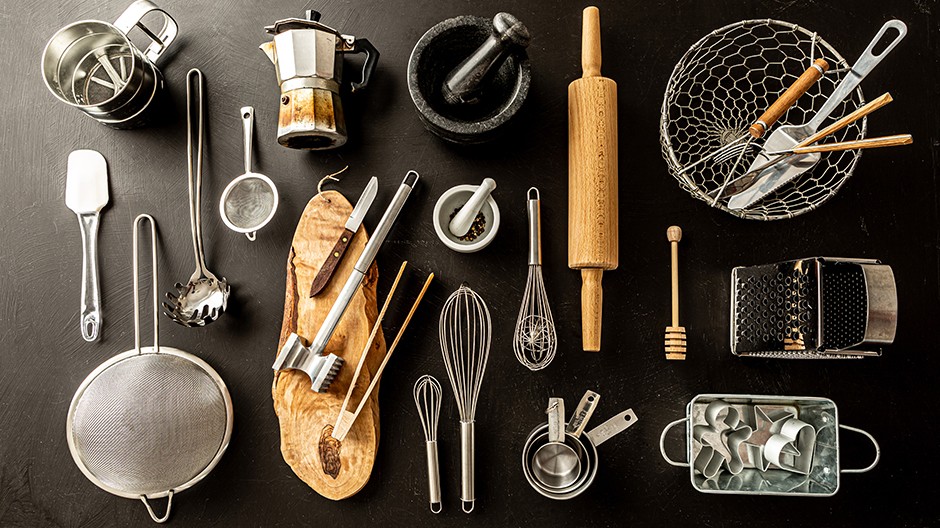
These are the everyday items your cooks use constantly. They’re a critical part of your kitchen tools and utensils list, helping your team improve speed and precision.
- Stockpot with lid
Used for soups, broths, and stews, a heavy-bottom stockpot distributes heat evenly. It’s essential for dishes like pares, sinigang, or bulalo. - Sauté pan and frying pan
These pans are ideal for stir-frying, pan-frying, and reducing sauces. - Wok
The wok is a staple of Asian cooking. It allows you to toss fried rice, noodles, and stir-fried dishes quickly over high heat. - Cast iron pan
Cast iron retains heat well, perfect for searing proteins like pork belly or steak. It also adds caramelization and depth of flavor. - Baking sheets and trays
Use baking trays for roasting, baking, or cooling fried items. They're also useful for organizing mise en place and keeping prep stations clean. - Cooling racks
Cooling racks help fried or baked items cool evenly and prevent sogginess. - Rolling pin
Essential for dough-based products like empanadas or pie doughs, rolling pins provide consistent thickness and texture. - Slotted spoon
This tool is ideal for lifting food out of liquid or oil without breaking delicate ingredients. - Ladle
A ladle ensures even portioning for soups, sauces, and gravies. - Portion scoop
A scoop ensures equal portions for side dishes, cookie dough, or rice servings; important for consistency and cost control. - Measuring cups and spoons
Accurate measuring tools maintain consistent flavor across batches, especially for sauces and marinades. - Measuring alass
A measuring glass lets you portion liquids accurately for sauces, dressings, and beverages. Its clear markings make it easy to read quantities. - Kitchen shears
Trim herbs, portion meat, or open packaging easily with kitchen shears. - Can opener
It’s a small but essential tool that keeps prep moving smoothly and prevents injuries during busy hours. - Grater
Used to shred vegetables, cheese, and aromatics like ginger or garlic, a grater speeds up prep work and creates fine, even textures. - Peeler
A peeler removes the skin from fruits and vegetables like carrots, potatoes, or green mangoes. It saves time and keeps cuts neat and uniform. - Whisks
Whisks blend liquids smoothly and incorporate air into batters or dressings. They prevent lumps in sauces and custards. - Spatulas
Use heat-resistant spatulas for flipping, folding, and scraping mixtures from pans or bowls. - Scrapers
Scrapers clean surfaces quickly and portion dough neatly, keeping workstations organized. - Tongs
Tongs make food handling sanitary and safe when cooking or plating hot items. - Silicone brush
Perfect for glazing meats, spreading marinades, or applying oil, a silicone brush withstands heat and spreads sauces evenly. - Spider strainer
A spider is essential for removing fried or boiled food safely from hot oil or broth. It’s common in Asian frying and noodle prep. - Colander and strainers
These help drain pasta, vegetables, and fried items while maintaining proper textures. - Mortar and pestle
Crushing spices or grinding garlic with a mortar and pestle enhances aroma and depth of flavor. - Thermometer
A thermometer ensures your food reaches the proper internal temperature. It's crucial for dishes like steak, chicken breast, and fish to achieve ideal doneness. - Timer
A timer prevents overcooking and keeps your kitchen workflow precise during busy hours.
Storage, Safety, and Sanitation
These tools keep your kitchen clean, safe, and organized – a must on every food service equipment list.
- Food storage containers
These keep ingredients fresh and organized while supporting the FIFO (first in, first out) method. - Ingredient bins with scoops
Bulk bins hold flour, Knorr Chicken Powder, and other dry ingredients. Scoops prevent direct hand contact and maintain hygiene. - Wire shelving or racks
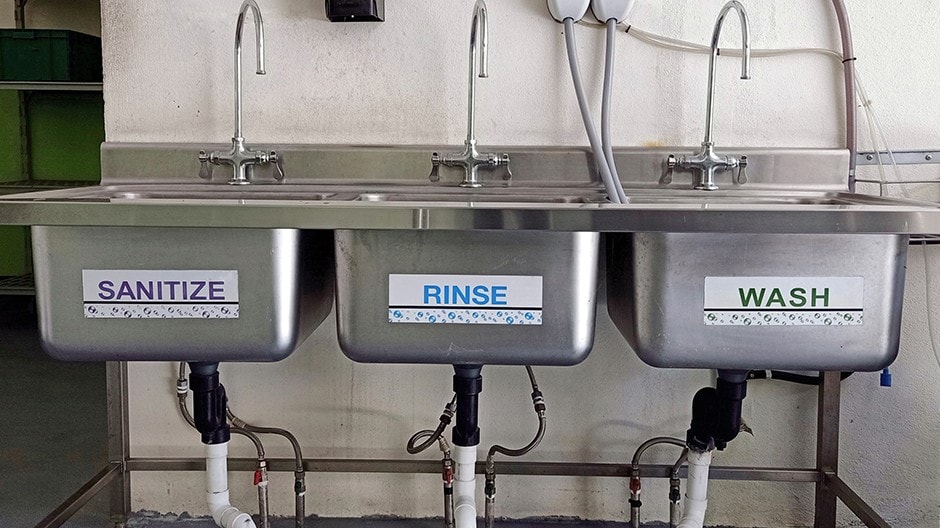
Shelves keep supplies off the floor to allow proper airflow and make cleaning easier. They also help prevent pest infestation and maintain an organized kitchen. - Three-compartment sink
This system separates washing, rinsing, and sanitizing steps for proper cleaning. - Handwashing sink with soap and towels
A dedicated hand sink ensures staff can wash hands anytime. - Grease trap
A grease trap prevents oil and solids from clogging pipes. - Heatproof gloves or mitts
Protect hands when handling hot trays, woks, or baking pans. They’re vital for staff safety, especially in small kitchens with limited space. - Aprons
Aprons promote hygiene and create a professional look in the kitchen. - Fire extinguisher
For a kitchen that deals with constant heat and hot oil, a Class K extinguisher is essential.
With this complete kitchen equipment list, you’ll have a setup ready to handle the daily rush. When buying, choose quality tools that can withstand constant use. Balance durability with price and review your menu before purchasing to avoid unnecessary spending. In the long run, efficiency in your kitchen saves both time and resources – and that’s where real profit begins.