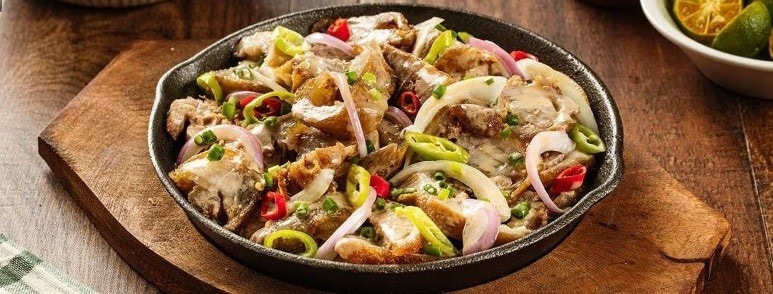
Are you planning to offer sisig with mayo in your restaurant? A word of warning: For the uninitiated, the dish is a source of shock and confusion, leading to an onslaught of questions. How can people enjoy a mishmash of meaty odds and ends topped with a creamy sauce? Should you consume it cold as a salad or a sandwich spread?
But for those who’ve tried the seemingly exotic dish, finding the answers to these queries is unnecessary. It is what it is – a nontraditional version of the Kapampangan favorite that offers comfort in every bite. And adding it to a menu – and winning over nonbelievers – is a worthwhile pursuit. Ready to take on the challenge?
What Makes Sisig With Mayo So Popular in the Philippines?
Sisig, originally a sour fruit salad for curing hangovers, has significantly evolved from its peculiar origins. Today, the Kapampangan dish’s popularity persists, with traditional and modern adaptations prepared in homes, carinderias, and restaurants nationwide.
No longer a remedy for overdrinking, this classic is enjoyed as a viand, appetizer, or even beer chow. Some versions come topped with all-purpose cream, grated processed cheese, or creamy mayonnaise. And it works!
So, if you’re thinking of introducing the dish to your restaurant lineup, here’s everything you need to know.
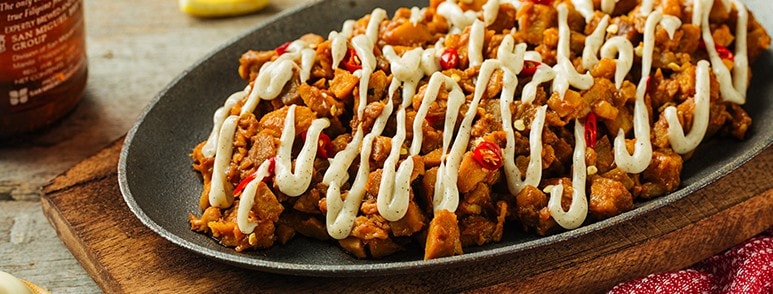
How to Make Creamy Sisig With Mayo: Step-by-Step Trending Sisig Variations
Many of today’s sisig recipes take after the style popularized by Angeles City’s Aling Lucing. The infamous cook uses ingredients like chopped onions, pork brains, and chicken liver in her version. The meaty mixture goes on a sizzling plate – where the residual heat cooks the final addition: a raw egg. The result is a chewy, crunchy, and “wet” dish many food establishments try to recreate.
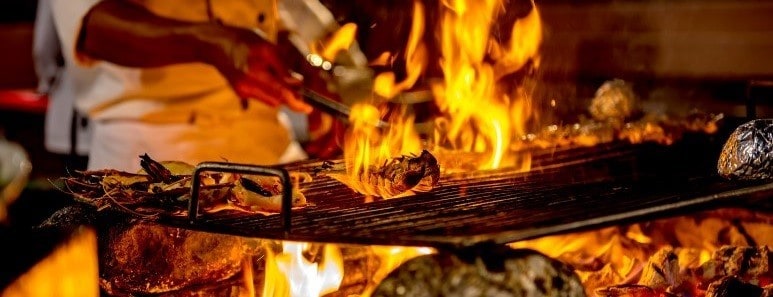
Part I: Cooking the meat.
Like many classic Filipino recipes, sisig follows a straightforward cooking process. Here’s a step-by-step guide to inspire your recipe development, starting with preparing the meat.
Ingredients:
Note: This recipe is written at commercial/batch scale (800g pork face, 2 liters water) and is intended for food business production runs. For home cooks or single-serve testing, scale the recipe down by dividing all measurements by 4 (yielding roughly 200g pork face) or by 8 for a smaller single-portion test batch, adjusting seasoning gradually to taste as quantities decrease.
- 800 grams pork face, cleaned and preboiled
- 2 liters water
- 20 grams black peppercorns
- 2 pieces bay leaves
- 230 grams Knorr Liquid Seasoning, divided
- 40 grams Knorr Pork Broth Base
- 300 grams pork belly (liempo)
- 2 grams black pepper
- 200 grams chicken liver, chopped roughly and seasoned with Knorr Liquid Seasoning
Method:
- Combine pork face, water, peppercorns, bay leaves, and 200 grams Knorr Liquid Seasoning in a pot. Bring to a boil and simmer until tender. Strain meat and set aside; discard the cooking liquid.
- Combine pork belly, remaining Knorr Liquid Seasoning, and pepper in a bowl. Marinate for at least 20 minutes.
- Preheat a charcoal grill.
- Cook the pork face, belly, and chicken liver until slightly charred. Chop meat finely and set aside.
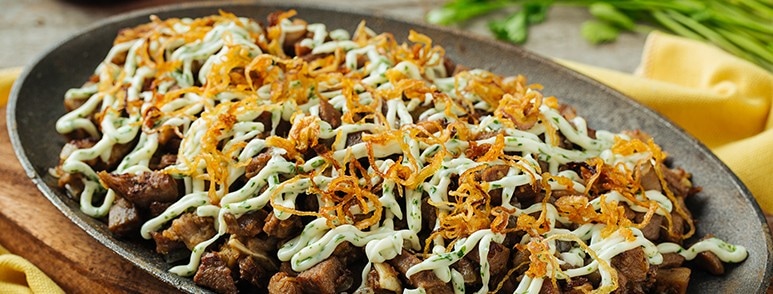
Part II: Introducing some creaminess.
Traditional sisig gets its creamy texture and flavor primarily from the chicken liver (some even mash it until paste-like). However, unconventional versions lean on other pantry staples for the same effect. Among these creative additions, mayonnaise is the most reliable choice.
Mayonnaise is the most reliable choice
Why Mayonnaise Works in Sisig
Mayonnaise earns its place in a sisig recipe for reasons that go beyond flavor alone. As a shelf-stable pantry staple, an opened bottle keeps well under refrigeration for months, which makes it a low-waste, easy-to-manage ingredient for busy kitchens compared to fresh eggs or pork brain. It's also far more forgiving under heat: mayonnaise holds its texture even when folded into hot, freshly grilled meats, without breaking, melting, or curdling the way cream-based or egg-based additions sometimes do. That stability makes it dependable for high-volume service, where consistency matters as much as taste.
On the flavor side, mayonnaise brings a rounded richness that ties the dish together — a gentle sweetness, a light tang, and a savory depth that plays well against the smokiness of grilled pork and the sharpness of onions and chilies. It's this balance of practicality and flavor that has made mayo one of the most popular non-traditional additions to modern sisig, offering diners the creamy, indulgent bite they've come to expect from the dish.
Now, here’s how to complete your sisig recipe with mayonnaise.
Ingredients:
- grilled and chopped meats
- 200 grams white onions, chopped
- 15 grams green finger chilies, chopped
- 45 milliliters Knorr Liquid Seasoning
- 120 milliliters Lady’s Choice Real Mayonnaise
- 50 grams chicharon, crushed for garnish
- 4 pieces calamansi, for garnish
- 5 grams red bird’s eye chilies, for garnish
Method:
- Combine prepared meats, onions, green chilies, Knorr Liquid Seasoning, and Lady’s Choice Real Mayonnaise in a bowl. Mix well.
- Transfer to a preheated sizzling plate.
- Garnish with chicharon, calamansi, and red chilies. Serve hot.
The mayo's consistency will cradle every bit of meat, imparting an indulgent feeling in every bite. Want to take this creaminess to the next level? Try combining the condiment with all-purpose cream! You can also flavor your concoction with aromatics like paprika, garlic powder, and curry. Alternatively, if you're preparing a vegetarian version, go for coconut cream or a plant-based dressing.
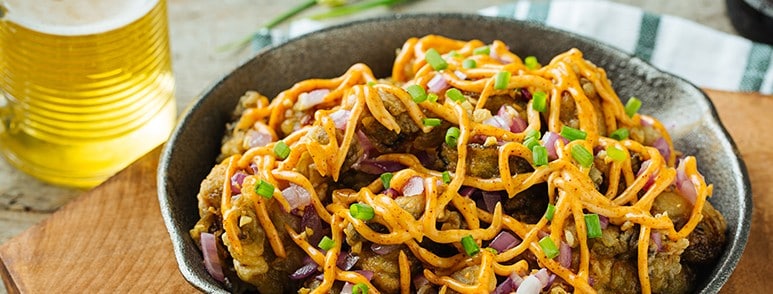
Sisig Beyond Pork
The possibilities are endless with sisig with mayo! You can also serve it in different forms. Use it as a filling for tacos, stuff it into sausages, mix into pasta, top it over fresh greens, and so much more. Be as creative as you can to come up with your own trendy dish.
You’re also no longer limited to just pork as the main ingredient. Modern sisig recipes take advantage of other proteins catering to various dietary needs. Here are some you can try:
- Chicken
- Lechon baka
- Corned beef
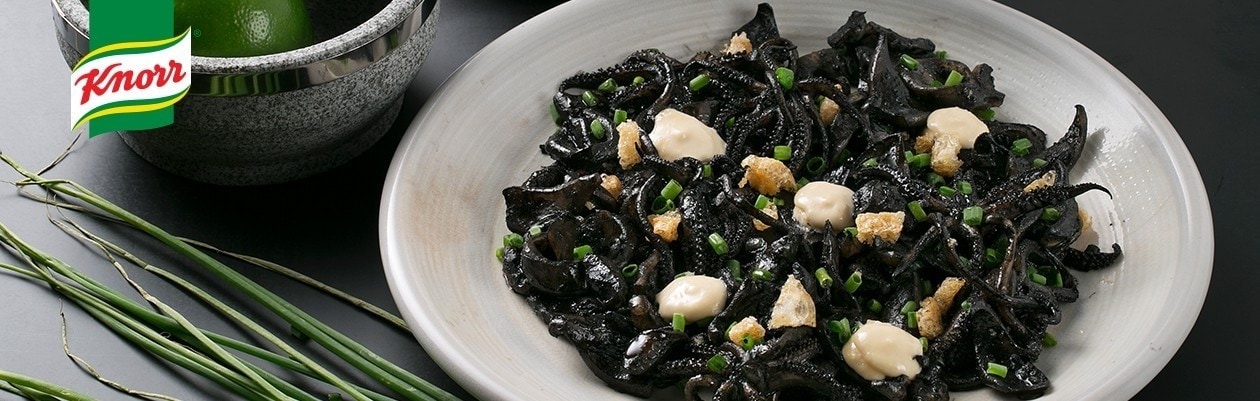
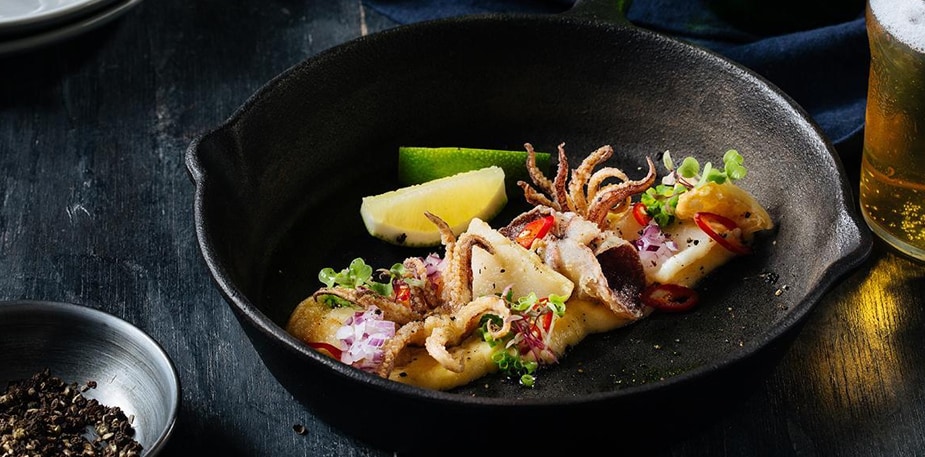
- Squid
- Octopus
- Bangus
- Mushrooms and tofu
- Cauliflower
- Quinoa
- Textured vegetable protein
Once tossed with the standard components, these alternative ingredients create sisig variations as tasty as the original. Essentially, you can turn anything into sisig!
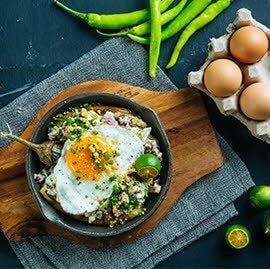
Is sisig with mayo same as dinakdakan?
Dinakdakan is an Ilocano dish with similar ingredients to its Kapampangan counterpart. But unlike sisig, the former isn’t as flexible with its proteins. Traditional dinakdakan recipes only use pork parts, usually the jowl, pork collar, ears, and mashed brains. Some variations of the dish also include the tongue, liver, intestines, and stomach.
They also differ in texture. Sisig is crispier and features smaller meat bits, while dinakdakan has a softer, chewier, and chunkier consistency. So, despite their comparable flavors, dinakdakan is not sisig.
But what’s stopping you from taking inspiration from both and combining their techniques? Maybe a sisig with larger pieces and more varied types of meat? Topped with an aioli with Ilocos garlic and mashed brains? Such is the beauty (and challenge!) of developing enticing offerings to complete your menu.
Sisig with mayo is just the start. Consider it a work in progress that you can continuously enhance. How about simmering the meat first in a caldereta base? Or why not top it with ricotta or sour cream? Get even more creative by playing around with ingredients that might be bizarre in the description but spectacular at first bite.
Frequently Asked Questions
What kind of mayonnaise is best for sisig?
A real, full-fat mayonnaise — like Lady's Choice Real Mayonnaise — works best, since it holds its texture and richness on a hot sizzling plate better than light or reduced-fat versions, which can separate or thin out under heat.
How much mayo should I put in sisig?
As a starting ratio, around 120ml of mayonnaise per kilogram of prepared meat mixture gives a balanced, creamy result without overpowering the smoky pork flavor. Adjust up or down based on how rich you want the final dish to taste.
How do I keep sisig creamy on a sizzling plate without it drying out?
Fold the mayonnaise into the meat mixture just before it hits the hot plate, rather than letting it sit and cook down with prolonged heat exposure. Some kitchens also hold back a small portion of mayo to stir in tableside, refreshing the creaminess right before serving.
Is sisig with mayo the same as the traditional Kapampangan version?
No — traditional sisig relies on chicken liver and other ingredients for its creamy texture, while sisig with mayo is a modern, non-traditional twist that swaps or supplements those elements with mayonnaise for a different flavor and texture profile.
Can sisig with mayo be made ahead for food service?
The meat components can be cooked, chopped, and stored ahead of time, but for the best texture and food safety, mix in the mayonnaise fresh, à la minute, right before plating and serving.

.jpg)