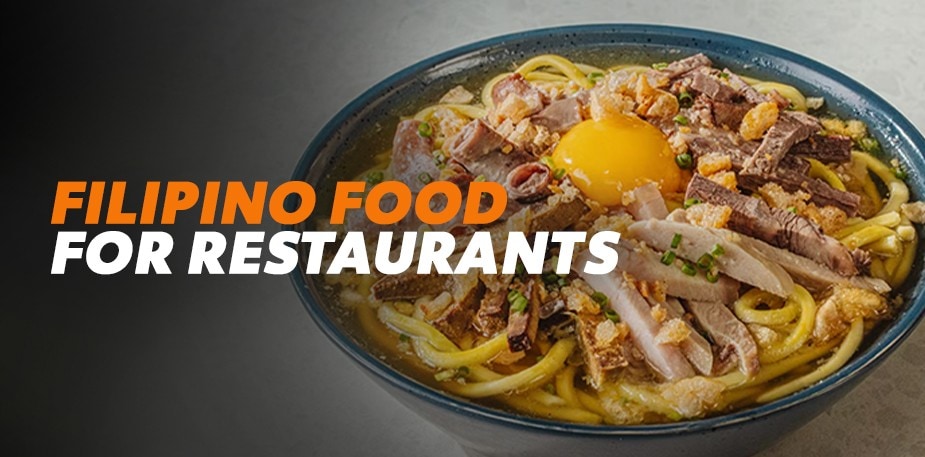
Pinoy cuisine is celebrated for its richness and generous portions. From crispy pata to pork sisig, many well-loved dishes are not typically considered healthy Filipino food. Still, that does not mean the cuisine cannot evolve.
More diners today are looking for meals that feel lighter while still delivering the flavors they grew up with. This opens space for healthier Filipino dishes to take a more visible role on your menu. It starts with rethinking familiar habits and finding smarter ways to prepare the classics customers already love.
Healthy Filipino Food for Your Menu
These dishes rely on fresh vegetables, lean proteins, and smart cooking methods rather than excess oil or heavy fats. They work well as healthy Filipino lunch options or lighter dinner offerings, especially for customers looking for meals that taste exceptional without feeling heavy.
1. Sinigang na salmon belly sa miso
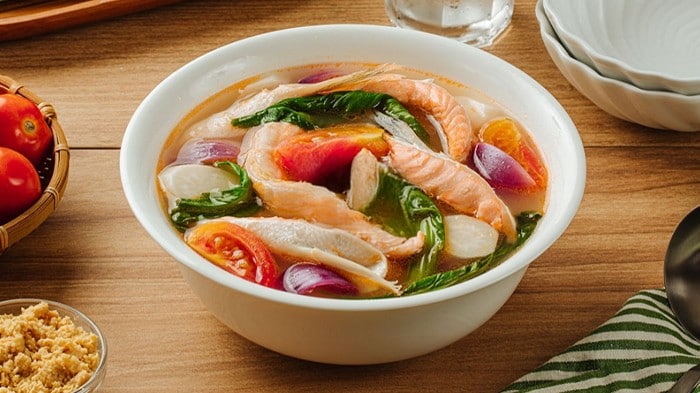
This sinigang uses salmon belly simmered in a miso-based broth enriched with Knorr Sinigang sa Sampalok Mix. It delivers the same tender, comforting bite often associated with pork but feels lighter on the palate. Omega-3s come naturally from the fish, while radish and leafy greens add fiber and heft.
2. Kilawin na tanigue
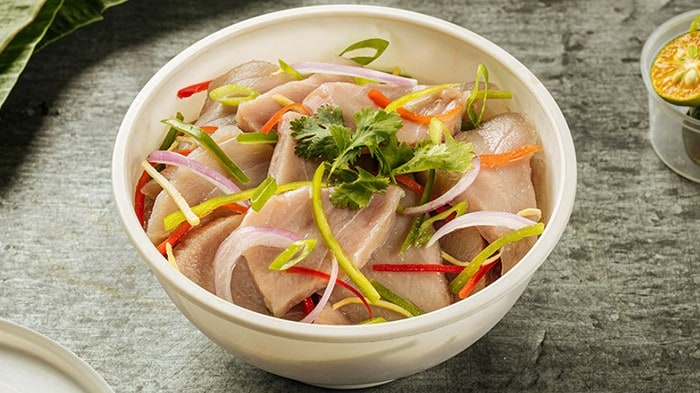
Kilawin builds flavor through vinegar and aromatics rather than heat or oil. Fresh tanigue provides lean protein, while the acid-forward preparation keeps the dish light and clean on the palate. It’s a strong option for diners looking for healthy Filipino food that feels refreshing and uncomplicated.
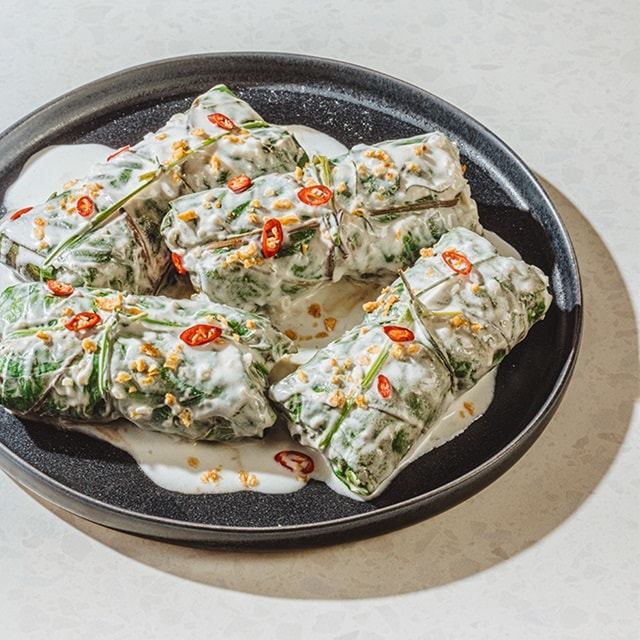
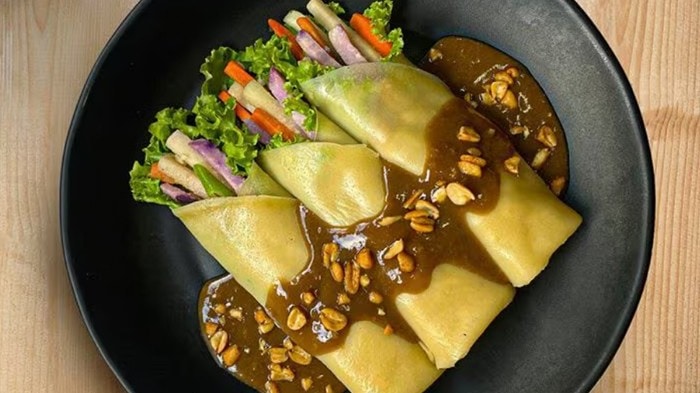
3. Fresh ube lumpia
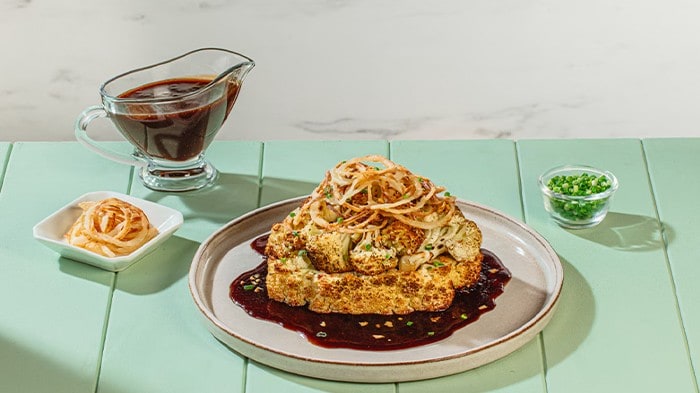
This cauliflower bistek roasts the whole cauliflower before slicing it into steaks, then braising them in the classic soy-calamansi sauce with sautéed onions. As the florets absorb the sauce, they deliver the same savory tang diners expect, without the heaviness of meat. What arrives at the table still feels comforting and familiar, just more balanced and easier to enjoy.
5. King oyster mushroom inasal
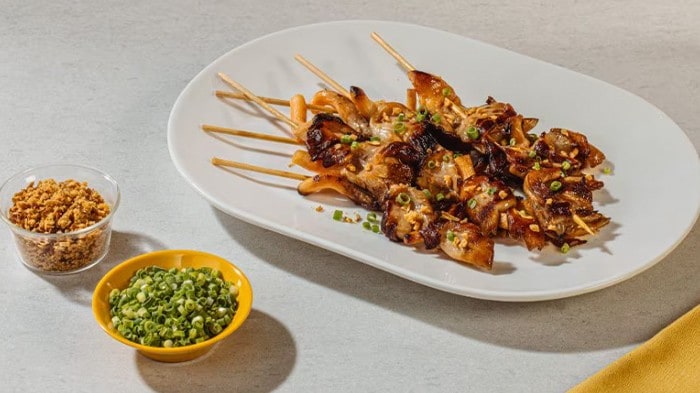
Grilling draws out the natural umami of king oyster mushrooms while keeping added fat to a minimum. Their firm, meaty texture provides the same satisfaction diners expect from inasal, while the marinade brings in the signature linamnam. The result is a dish that feels indulgent in flavor but lighter overall.
6. Tofu, mushroom, and cauliflower sisig
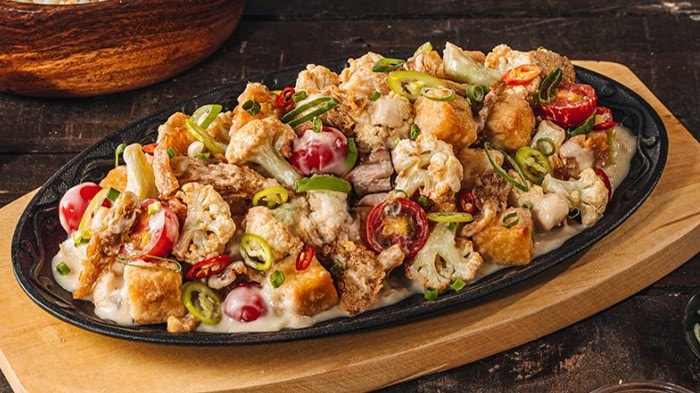
This “healthified” sisig relies on tofu for protein, mushrooms for umami, and cauliflower for texture, cutting back on the dish’s usual heaviness. Crisp edges and the usual seasoning keep it familiar and satisfying, even without pork. The result is a lighter take on a comfort favorite that still delivers familiar flavors on the plate.
7. Grilled boneless bangus with green tomato salad
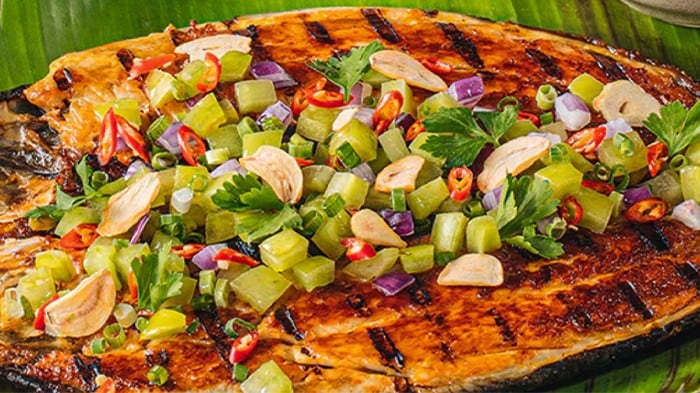
This recipe keeps the bangus fresh and flavorful without adding unnecessary grease, allowing the fish’s natural richness to come through. The green tomato salad provides acidity, helping balance the fish and keep the inihaw feeling light. Together, they form a well-rounded plate that works especially well as a healthy Filipino dinner or lunch option.
8. Chopsuey guisado
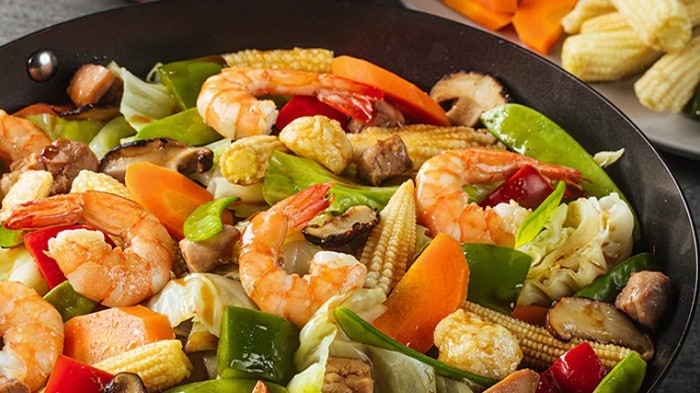
Chopsuey remains one of the most nutritious Filipino healthy foods because good-for-you ingredients take the lead. Cook it with little oil and proper timing so the veggies retain their texture and nutritional content. Plus, choose vegetables in season and rotate proteins like chicken, shrimp, or tofu to keep the dish cost-efficient and appealing to repeat diners.
How to Make Healthy Filipino Food More Exciting
Ready to put well-being at the heart of your menu and concept design? The task is no walk in the park. But done right, this shift can help you draw in more customers and even play a role in transforming people’s lives. Craft your game plan with these strategies.
Essential Ingredients for Healthy Filipino Food
Conversations around healthy Filipino meals often focus on a short list of trendy, highly marketed ingredients. In practice, many of the most effective building blocks for nutritious menu hits are already in your kitchen. Familiar staples can deliver flavor and nourishment without complicating your menu.
Daily staples
Cook more with these super ingredients loaded with vitamins and minerals. They’re versatile, affordable, and easily accessible.
● Garlic
● Ginger
● Herbs
● Eggplant
● Coconut oil
● Bananas
Amazing antioxidants
Antioxidant-rich foods can help reduce the risk of chronic diseases like heart disease and certain cancers. Incorporate them regularly into your healthy ulam ideas for added benefits.
● Honey
● Olive oil
● Onions
● Dark chocolate
● Tomatoes
● Vinegar
Local stars
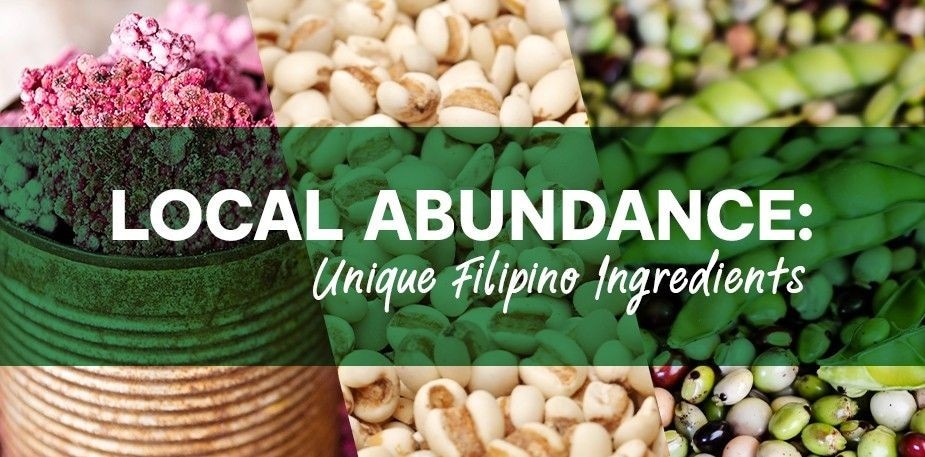
Celebrate local ingredients that add a feel-good factor to your dishes while supporting sustainable practices.
● Malunggay
● Adlai
● Ampalaya
● Asin tibuok
● Tultul salt
● Ube
Cooking Methods to Elevate Healthy Filipino Food
Cooking techniques play a major role in keeping dishes nutritious and appealing. The right method enhances flavor while preserving texture and nutrients.
● Fresh (no-cooking cooking): Maintains the natural freshness and nutritional value of food.
● Boiling: Quickly cooks food with large bubbles, ensuring even heat distribution.
● Blending: Homogenizes ingredients, creating smooth textures and balanced flavors.
● Roasting: Cooks food evenly from all sides using indirect heat, slowly releasing deep flavors.
● Steaming: Gently cooks food through vapor, preserving nutrients and texture.
Serving healthy Filipino food does not require skipping comfort or flavor. With the right recipes, ingredients, and cooking methods, nutritious Filipino meals can perform well while meeting modern diner expectations. Use these ideas to refresh your menu and explore how feel-good, health-focused dishes can drive sales.