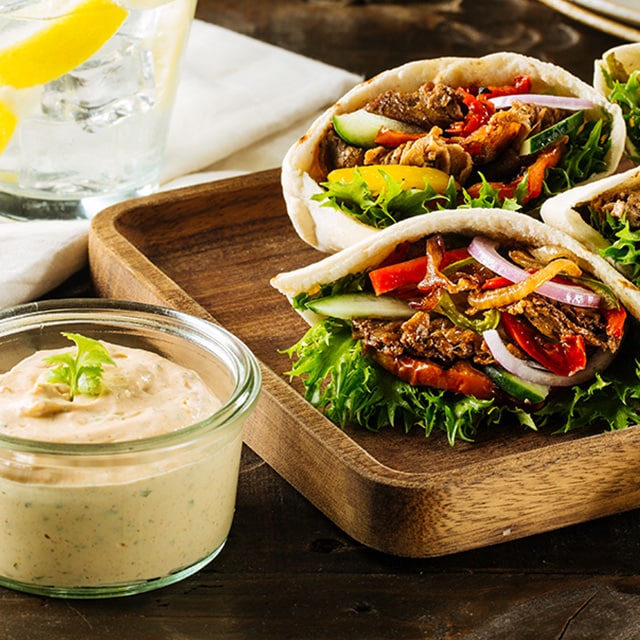
Excellent food is remembered for its flavor. That’s what keeps guests talking long after a meal. And the secret to creating memorable, highly distinct flavor profiles? Herbs and spices. They’re your arsenal for layering taste and giving every dish depth and character.
The Difference Between Herbs and Spices
What’s the difference of herbs and spices? Herbs come from the leafy parts of plants, while spices come from roots, seeds, bark, or dried fruits. Each brings something unique to cooking, but together they give you endless ways to create unforgettable flavor.
Essential Herbs and Spices and Their Uses
Here’s a guide to 35 essential herbs and spices and their uses. Each entry highlights its flavor profile, tips for Filipino cooking, and a dish suggestion to inspire your menu.
1. Paprika

Made from ground dried red peppers, paprika gives dishes a vibrant red-orange color and a smoky-sweet profile. It adds body to stews when sautéed with aromatics and boosts rubs for grilled meats.
Best for: Balbacua, goulash, paella
2. Garlic
Garlic is one of the most versatile herbs and spices used across Filipino kitchens. It changes character depending on how it’s used: raw garlic is pungent, sautéed garlic is savory, and fried garlic turns sweet and nutty. It’s a must for marinades, sauces, stir-fries, and even as crunchy toppings for rice and noodles.
Best for: Garlic butter shrimp, aglio e olio pasta, Chinese stir-fried greens
3. Ginger

Ginger has a warm, spicy, slightly citrusy taste that brightens rich and oily dishes. In Filipino cooking, it’s essential in tinola and sinigang sa miso because it cuts through the fattiness of chicken and seafood. It’s also widely used in various Asian cuisines, where it flavors stir-fries, curries, and even sweets.
Best for: Tinolang manok, sinigang sa miso, Japanese ginger pork
4. Luyang Dilaw (Turmeric)

Turmeric is prized for its golden yellow hue and earthy, slightly bitter taste. In Filipino herbs and spices traditions, it’s used in chicken curry and arroz Valenciana, giving both flavor and vibrant color. It’s also steeped into teas for its health benefits. Remember: a little goes a long way in adding warmth and vibrance.
Best for: Chicken curry, arroz Valenciana, biryani
5. Tanglad (Lemongrass)
Fragrant and citrusy, lemongrass is a staple in Filipino regional cooking. Its stalks are bruised to release aroma, then added to soups like sinampalukang manok or marinades for chicken inasal. It’s also used in Thai curries and Vietnamese broths for its refreshing lift.
Best for: Chicken inasal, tom yum soup, Vietnamese lemongrass pork
6. Wansoy (Cilantro)

With its bright, citrusy flavor, wansoy adds freshness to Filipino dishes like pancit and lumpiang sariwa. Best used fresh, it lifts soups and salads with a burst of aroma. Beyond local cooking, it’s a key ingredient in various cuisines, valued for the way its sharpness cuts through richness.
Best for: Pancit canton, salsa fresca, tabbouleh
7. Kinchay (Chinese Parsley)

Fragrant and slightly peppery, kinchay is essential in Filipino-Chinese cooking. It seasons siomai, stir-fries, and soups with a strong, savory aroma. Unlike wansoy, kinchay has a sharper edge that stands up well to meaty dishes.
Best for: Siomai, stir-fried tofu, Chinese hot pot
8. Star Anise

Recognizable by its star-shaped pods, star anise delivers a sweet, licorice-like flavor that instantly deepens soy-based stews. Just one or two pods are enough to enrich braised pork, pata tim, or humba. It’s also widely used in Chinese five-spice and Vietnamese pho, giving broths a balance of salty and savory elements.
Best for: Pata tim, Vietnamese pho, Chinese red-braised pork
9. Dahon ng Laurel (Bay Leaf)

Bay leaves come from the laurel tree and have a slightly floral and earthy taste. They release flavor slowly, infusing long-simmered dishes like adobo or menudo with a rounded, savory depth. It’s no surprise they always earn a place in any Filipino herbs and spices list because of how essential they are for braises and stews. Tip: Always remove them before serving; bay leaves flavor dishes beautifully but are too tough to eat.
Best for: Adobong manok, menudo, bouillabaisse
10. Rosemary

With its piney aroma, rosemary pairs beautifully with roasts. While more common in Western cooking, it can also give local chicken dishes an aromatic twist. It also works well in breads and infused oils for flavoring.
Best for: Roast chicken, lamb chops, focaccia bread
11. Thyme

12. Cinnamon

Sweet and woody, cinnamon is best known as a baking spice that gives a touch of warmth to breads, pastries, and desserts. Around the world, it also flavors Middle Eastern stews, Indian curries, and spiced drinks like chai.
Best for: Churros, cinnamon rolls, Moroccan tagine
13. Oregano

Fresh or dried, oregano adds a bold, savory punch to sauces and marinades. Among the many herbs and seasonings chefs use, it stands out for its peppery, slightly bitter flavor that works well with tomato-based dishes. Oregano is common in Italian and Greek cuisine, where it seasons pizza, grilled meats, and salads.
Best for: Menudo, souvlaki, pizza Margherita
14. Siling Labuyo (Red Bird’s Eye Chili)
15. Basil
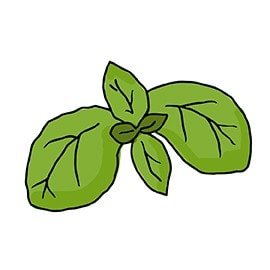
With its sweet, slightly peppery flavor, basil brightens sauces, soups, and salads. Though often tied to Italian cooking, it also works in Filipino fusion pasta dishes and Asian spring rolls. Always add basil off the heat to preserve its aroma.
Best for: Pesto pasta, caprese salad, pad krapow
16. Parsley
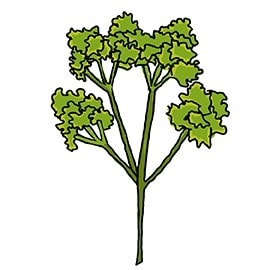
Parsley isn’t just for garnish. Its clean, grassy flavor brings a refreshing lift to meats and vegetables. In Filipino kitchens, it brightens grilled fish or roasted meats, while in Mediterranean cooking it’s the star of tabbouleh and sauces for its fresh bite.
Best for: Grilled fish fillet, tabbouleh, chimichurri sauce
17. Sage

Sage has an earthy, savory profile that cuts through rich and fatty meats. While not common in Filipino cooking, it shines in roasts, sausages, and stuffings on Western-inspired menus. Its flavor is potent, so use sparingly to avoid overpowering a dish.
Best for: Roast turkey, Italian sausages, sage butter gnocchi
18. Cumin

Nutty and warm, cumin is well-loved in Indian, Middle Eastern, and Mexican cooking. In Filipino kitchens, it’s sometimes used in beef tacos and spiced stews for added depth. Pro tip: toast the seeds before grinding to release their aroma.
Best for: Beef tacos, Indian curry, falafel
19. Coriander Seeds
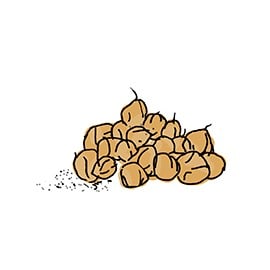
Coriander seeds bring a citrusy, floral note that lightens meat-heavy dishes. Toast them to release their aroma, then add to curries, marinades, or stews. Globally, they’re a key ingredient in spice blends like garam masala and curry powders.
Best for: Chicken curry rice, garam masala, pickled vegetables
20. Nutmeg

Sweet, warm, and slightly nutty, nutmeg elevates creamy sauces, desserts, and baked goods. Just a small pinch can transform holiday treats or add subtle spice to pasta sauces. For the best aroma and flavor, grate nutmeg fresh rather than using pre-ground.
Best for: Creamy carbonara, béchamel sauce, pumpkin pie
21. Cloves

Cloves bring a pungent, warming depth to savory and sweet dishes. These small, nail-shaped buds are intensely aromatic. In the Philippines, they season pickles and glazed holiday ham, while globally they’re staples in curries, chai, and spice blends.
Best for: Holiday glazed ham, atchara, chai tea
22. Chives
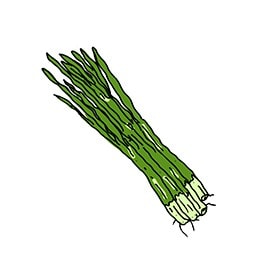
A close relative of onion, chives offer a milder flavor that adds freshness without overwhelming a dish. Finely chopped, they’re great as garnish for soups, salads, sauces, and egg dishes. They’re also a favorite in Chinese dumplings and potato salads.
Best for: Potato salad, Chinese dumplings, scrambled eggs
23. Dill
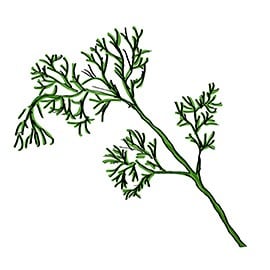
Dill has a fresh, slightly tangy flavor that pairs well with seafood. It can lift salmon or bangus dishes and add depth to pickles, yogurt sauces, and potato salads. Its feathery leaves are best used fresh.
Best for: Baked salmon fillet, tzatziki, pickled cucumbers
24. Tarragon
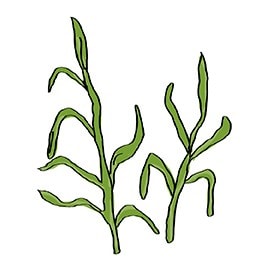
With its sweet, anise-like flavor, tarragon adds elegance to chicken and seafood dishes. It’s not common in Filipino cooking but works well in herb butters, sauces, and Western roasts.
Best for: Herb roast chicken, béarnaise sauce, seafood bisque
25. Fennel Seeds

Fennel seeds have a sweet, licorice-like taste that works well in sausages, tomato sauces, and curries. They also add depth to long-cooked stews. Make sure to toast them before use to bring out their aroma.
Best for: Italian sausage pasta, Indian curry, roasted pork belly
26. Mustard Seeds

Nutty and pungent, mustard seeds pop with flavor when toasted. They’re terrific in curries, pickles (including atchara), and spice rubs. They add both texture and heat.
Best for: Curry sauce, atchara, Indian pickles
27. Cardamom
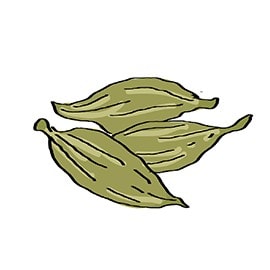
Cardamom offers a sweet, floral, and slightly citrusy flavor that works in savory and sweet dishes. It adds depth to curries, spiced teas, and baked goods. Its unique aroma makes it a prized spice worldwide.
Best for: Spiced milk tea, Swedish cardamom buns, chicken korma
28. Curry Leaves

Curry leaves have a nutty, citrusy flavor that transforms when fried in hot oil. While mostly used in South Indian and Southeast Asian cuisines, they can give Filipino-style curries a more authentic aroma.
Best for: Chicken curry, dal tadka, Sri Lankan fish curry
29. Dahon ng Malunggay (Moringa Leaves)

Malunggay leaves are earthy, mild, and loaded with nutrients. They’re a Filipino staple in soups like tinola and monggo, boosting flavor and nourishment. Their versatility also makes them a smart addition to breads, noodles, and even desserts.
Best for: Monggo guisado, tinolang isda, pandesal
30. Pandan Leaves
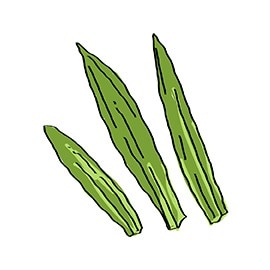
Sweet and grassy pandan is known as the “vanilla of Asia” for its unique scent and flavor. Tie the leaves into knots and simmer them to infuse aroma into rice, kakanin, and refreshing drinks.
Best for: Buko pandan, pandan rice, kaya jam
31. Kaffir Lime Leaves

Bright and intensely citrusy, kaffir lime leaves give curries, stir-fries, and soups a fragrant lift. They work well in fusion dishes that draw from Thai or Indonesian flavors. Their bold aroma also highlights the variety of types of herbs and spices chefs can use to bring unique global influences into Filipino menus.
Best for: Thai green curry, tom yum soup, beef rendang
32. Kasubha (Safflower)
33. Saffron

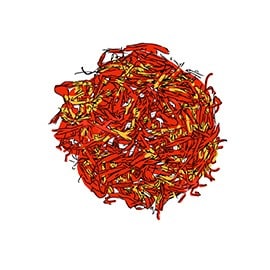
The world’s most prized spice, saffron lends a delicate floral aroma and golden hue. Though expensive, just a few strands can transform rice dishes, sauces, and even desserts.
Best for: Bouillabaisse, saffron kulfi, Persian tahdig
34. Achuete (Annatto Seeds)

Achuete seeds bring a rich red-orange color and a mild, nutty flavor. Infuse them in oil or water to give kare-kare or palabok that signature hue and subtle earthiness.
Best for: Paella, chicken inasal, pancit palabok
35. Chili flakes

Sharp and spicy, chili flakes give a quick kick to many dishes. In the Filipino kitchen, they’re sprinkled on sisig, silog meals, or fried chicken for added heat. They’re also pizza and pasta mainstays, giving simple meals a fiery boost.
Best for: Spicy fried chicken, arrabbiata pasta, tteokbokki
These herbs and spices turn your kitchen into a flavor lab, where even the simplest recipe can rise to bestseller status. They give your menu attitude and keep your biz sizzling. Explore how these herbs and seasonings pair with fresh ingredients and UFS staples, and you’ll discover combinations that surprise diners and stir up demand.