One of the most important decisions you’ll make as a food entrepreneur is choosing the type of restaurant to open. Not every concept works for every location or budget. So before committing to an idea, you must understand how a restaurant operates and whether that setup fits both your market and your goals. This guide breaks down different types of restaurants, explaining how each one works and what running it is really like.
1. Fast Food Restaurant
Fast food restaurants prioritize speed. Operators keep menus standardized and design service to move customers quickly, often through counter ordering. Affordable pricing makes this dining category accessible for everyday meals. In the Philippines, fast food restaurants perform well in malls, transport hubs, and dense urban areas.
- Pros: High demand, strong delivery sales
- Cons: Very competitive, margins rely on volume
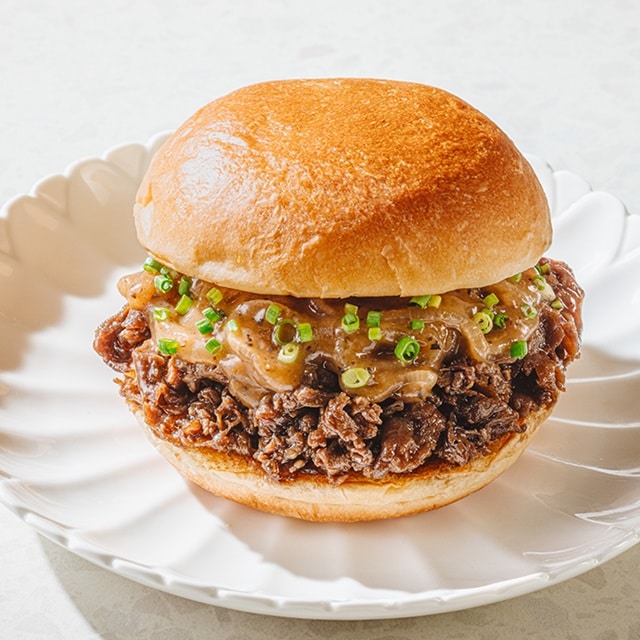
- Menu ideas: Fried chicken meals, burger steak with gravy, Pinoy spaghetti
- Example: Jollibee
2. Casual Dining Restaurant
Casual dining restaurants offer full meals with table service in a relaxed, welcoming setting. Menus are wider and designed to support longer visits, making them well suited for families and group dining. Casual dining remains one of the most common formats in malls and commercial areas.
- Pros: Strong repeat visits, menu flexibility
- Cons: Higher labor and operating costs
- Menu ideas: Sisig, inihaw na pusit, kare-kare
- Example: Mesa
3. Fast Casual Restaurant
Fast casual restaurants sit between fast food and casual dining. Service is usually counter-based but with upgraded food quality and presentation. This format attracts diners who want better ingredients and flavors without committing to a full-service experience.
- Pros: Higher price point than fast food, easier to differentiate
- Cons: Higher food and labor costs
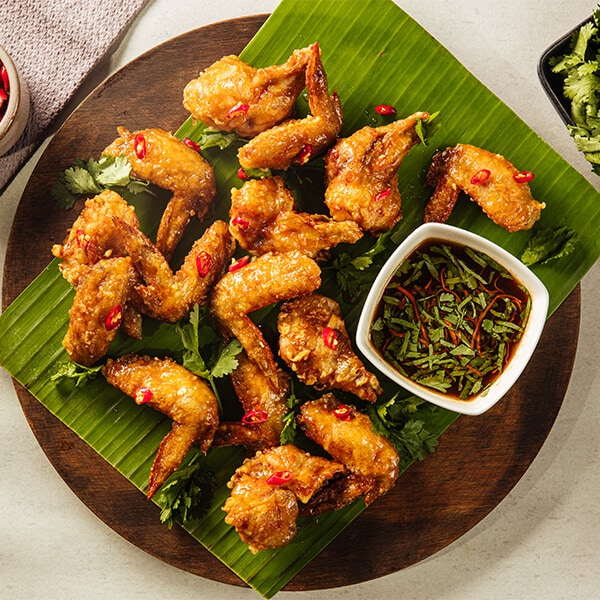
- Menu ideas: Chicken inasal, tacos, Korean chicken wings
- Example: Kenny Rogers Roasters
4. Fine Dining Restaurant
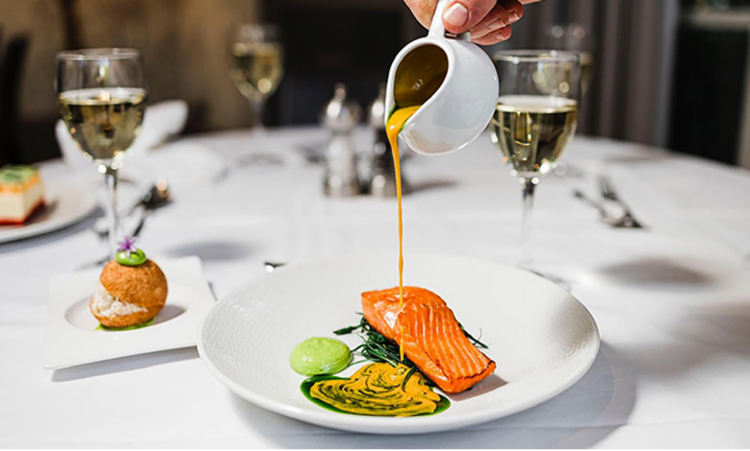
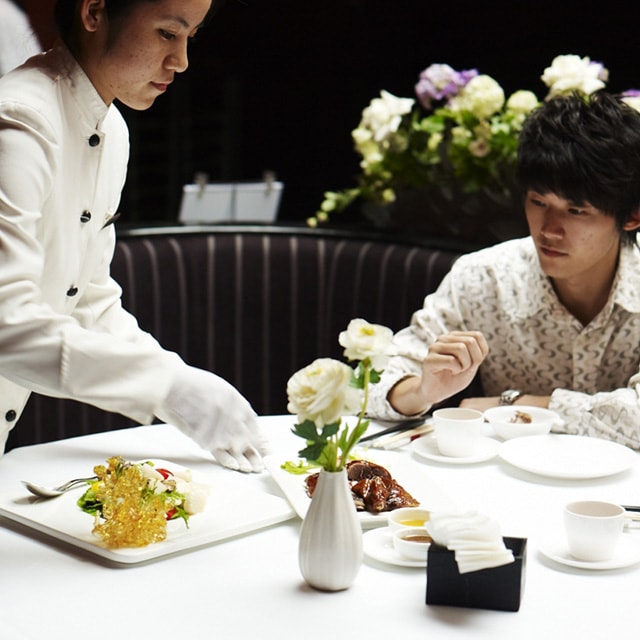
Fine dining restaurants deliver curated menus and polished service. Chefs focus on the smallest details rather than speed or volume. In the Philippines, many fine dining restaurants operate as destination venues that attract special-occasion diners and culinary tourists.
- Pros: Premium pricing, strong brand prestige, high perceived value
- Cons: High startup costs, skilled labor requirements, smaller market size
- Menu ideas: Tasting menus, refined grilled proteins, composed plates with signature sauces
- Example: Antonio’s
5. Family-Style Restaurant
Family-style restaurants serve dishes meant for sharing, which reflects how Filipinos prefer to dine. Portions are larger and menus focus on value for groups rather than individual plates. This type of restaurant often leads to higher spending per table, especially during peak hours and celebrations.
- Pros: Higher average check, strong appeal for group dining
- Cons: Slower table turnover, larger dining space usually required
- Menu ideas: Sharing platters, pancit, boodle feasts
- Example: Manam
6. Diner
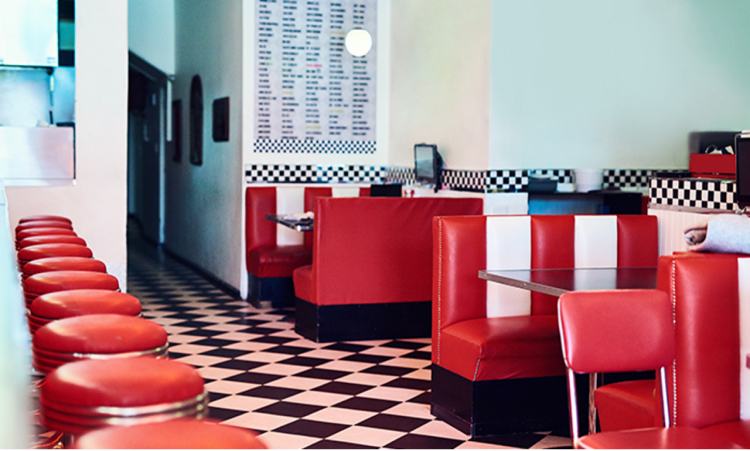
Diners focus on comfort food served through all-day menus in a simple, approachable setting. Operators rely on familiar dishes that customers can return to repeatedly. This format works best with consistency over constant menu changes.
- Pros: Simple operations, strong comfort appeal
- Cons: Limited menu differentiation, fewer opportunities for premium pricing
- Menu ideas: Pancakes and waffles, breakfast plates, burgers
- Example: Pancake House
7. Café
Cafés center on beverages, supported by light meals served throughout the day. Many customers stay longer, using cafés as places to work or meet. Because of this, food menus need to feel satisfying without slowing down service or overloading the kitchen.
- Pros: Strong beverage margins
- Cons: Sales depend heavily on foot traffic, longer stays can limit table turnover
- Menu ideas: Pasta, rice bowls, sandwiches
- Example: The Coffee Bean & Tea Leaf
8. Dessert Restaurant
Dessert restaurants specialize in sweets and merienda items that customers order on impulse or as add-ons to meals elsewhere. These concepts usually operate in smaller spaces with leaner teams. Demand peaks in the afternoon and evening, and sales can fluctuate depending on season and occasion.
- Pros: High margins, smaller operational footprint
- Cons: Time-of-day dependency, ingredient costs can fluctuate
- Menu ideas: Cakes, plated desserts, ice cream
- Example: Bebang Halo-Halo
9. Bakery-Café
Bakery-cafés differ from cafés by placing baked goods at the center of the menu. Bread, pastries, and cakes drive traffic, while hot meals lead to longer visits. This format allows operators to serve customers from early morning through late afternoon while maximizing ingredient use.
- Pros: Multiple revenue streams across the day
- Cons: Production planning requires tight control
- Menu ideas: Savory buns, sweet breads, baked chicken pies
- Example: Mary Grace
10. Pizzeria
Pizzerias build their menus around pizza while supporting it with pasta, chicken, and sides. The format adapts well to dine-in, takeout, and delivery. Seasonal flavors and limited-time offerings also help keep customers coming back.
- Pros: Delivery-friendly, scalable menu
- Cons: Ingredient costs can shift with supply prices
- Menu ideas: Pizza, fried chicken, pasta
- Example: Shakey's
11. Steakhouse
Steakhouses center on grilled or pan-seared meats served as premium mains. Service often feels close to fine dining, with attentive staff and a slower dining pace. Many steakhouses position themselves as special-occasion restaurants, where pricing reflects ingredient quality and careful preparation.
- Pros: High perceived value, strong positioning for celebrations
- Cons: High food costs, narrower target market
- Menu ideas: Grilled steaks, pork chops, lobster dishes
- Example: Wolfgang's Steakhouse
12. Pub
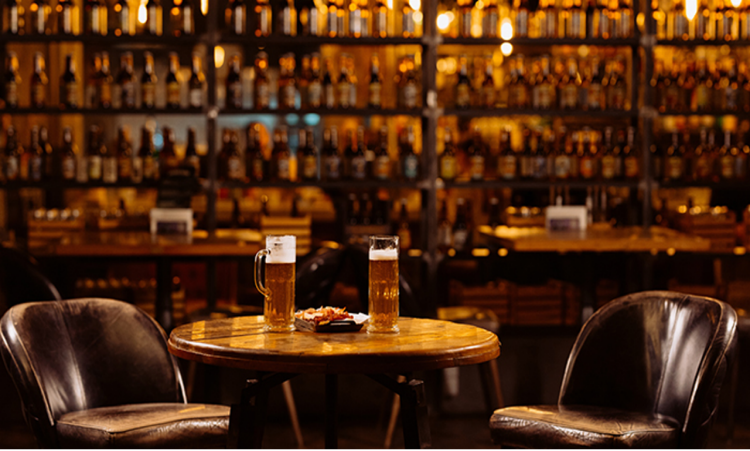
Pubs combine food service with alcoholic beverages in a relaxed, social setting. Operators design menus around dishes that pair well with drinks and encourage sharing. Most pubs rely heavily on evening traffic, especially after work hours and on weekends.
- Pros: Strong nighttime demand, high beverage margins
- Cons: Licensing requirements, higher staffing needs during peak hours
- Menu ideas: Pulutan platters, saucy wings, calamares
- Example: The Perfect Pint
13. Bistro
Bistros offer casual yet polished dining with smaller menus and a more intimate feel. Service is relaxed but attentive, often sitting between café dining and full-service restaurants. In the Philippines, bistros appeal to diners looking for comfort food with a more curated touch.
- Pros: Flexible menu size, strong neighborhood appeal
- Cons: Limited seating can cap revenue
- Menu ideas: Mains with twists, noodle dishes, small plates
- Example: Offbeat Bistro
14. Pop-Up Restaurant
Pop-up restaurants operate for a limited time in shared or rented spaces. Entrepreneurs often use them to test new menus or concepts before committing to a permanent location. This format keeps upfront risk low while building buzz for an upcoming brand.
- Pros: Low commitment, flexible setup
- Cons: Short revenue window
- Menu ideas: Limited rice meals, seasonal dishes, plated desserts
- Example: The Balmori pop-up restaurants
15. Brasserie
A brasserie is a French-inspired restaurant offering full-service dining with an all-day menu in a relaxed but polished setting. Unlike cafés, brasseries serve substantial meals alongside drinks. And unlike fine dining, they keep the atmosphere approachable and unpretentious.
- Pros: Flexible all-day menu, strong appeal for casual meetings and extended dining
- Cons: Higher operating costs than cafés, requires consistent service standards
- Menu ideas: Roast chicken, steaks, pasta dishes
- Example: Brasserie Sagana
16. Canteen
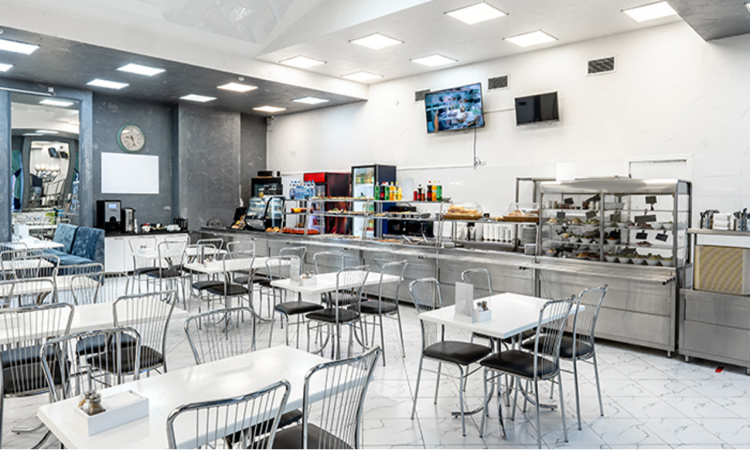
Canteens serve daily affordable meals to offices, schools, or factories. Operators rotate weekly menus to manage costs while keeping regular diners satisfied. Once contracts are secured, demand becomes consistent and predictable.
- Pros: Stable volume, consistent daily demand
- Cons: Tight margins
- Menu ideas: Pinoy ulam, merienda items, vegetable dishes
- Example: Dell's
17. Carinderia
Carinderias are neighborhood eateries that serve home-style Filipino food at accessible prices. Service stays informal and regular customers often come from nearby homes or workplaces. This format remains essential in residential and commuter-heavy areas.
- Pros: Low startup cost, built-in local market
- Cons: Limited pricing flexibility, strict attention needed for sanitation
- Menu ideas: Adobo, tinola, barbecue
- Example: Morning Sun Eatery
18. Tapsilogan
Tapsilogans specialize in silog meals served throughout the day. Menus stay simple and service moves quickly. Late-night demand keeps this format thriving, especially in areas with night-shift workers.
- Pros: High repeat visits
- Cons: Limited menu expansion
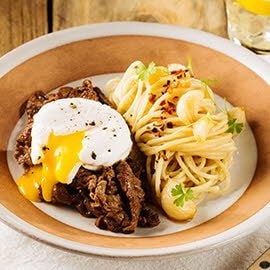
- Menu ideas: Tapa, tocino, longganisa
- Example: Rodic's
19. Lugawan
Lugawans center on lugaw and goto as comforting, affordable meals. Operators often allow customers to customize bowls with toppings, which helps keep the menu flexible without adding complexity. These restaurants perform well near churches, schools, hospitals, and transport hubs, where demand stays steady throughout the day.
- Pros: Low food cost, year-round demand
- Cons: Narrow menu range
- Menu ideas: Arroz caldo, goto, tokwa’t baboy
- Example: Goto Believe
20. Buffet Restaurant
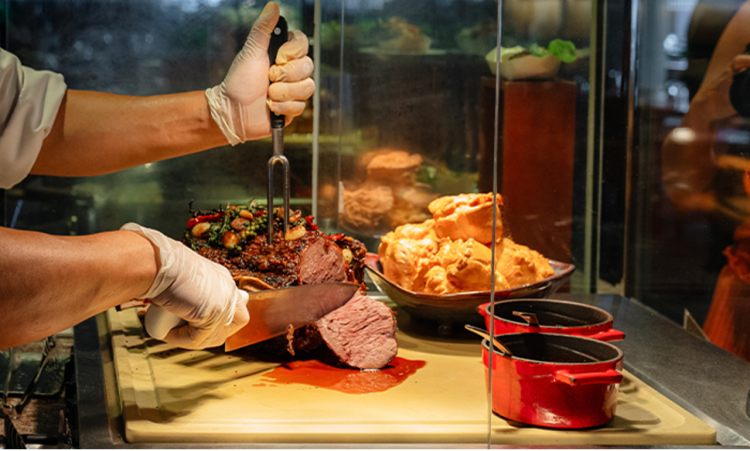
Buffet restaurants attract diners through variety and a strong sense of value. Guests expect generous selections and the freedom to choose, which makes this format a top choice for celebrations and group gatherings. Because customers associate buffets with quantity and choice, operators need tight food cost control to stay profitable.
- Pros: High perceived value, strong appeal for groups
- Cons: Risk of food waste, quality can suffer without careful planning
- Menu ideas: Filipino dishes, Japanese items, Chinese favorites
- Example: Vikings Luxury Buffet
21. Lauriat Restaurant
Lauriat restaurants focus on set meals with multiple dishes served together. Portions feel abundant and menus emphasize variety rather than single main plates. Lauriat-style dining is popular for family meals, celebrations, and business gatherings.
- Pros: High perceived value, encourages group ordering
- Cons: More components to manage per order, higher prep coordination
- Menu ideas: Fried rice, sweet and sour pork, dim sum
- Example: Gloria Maris
22. DIY Restaurant (Yakiniku, Hot Pot, Samgyupsal)
DIY restaurants let customers cook their food at the table. This setup reduces kitchen labor while shifting the focus to ingredient preparation and quality. In the Philippines, these concepts work well for group dining and social meals.
- Pros: Lower kitchen labor requirements
- Cons: Equipment investment, ingredient quality directly affects experience
- Menu ideas: Marinated meats, broths, side dishes
- Example: Samgyupsalamat
23. Omakase Restaurant
Omakase restaurants offer chef-curated tasting menus served in an intimate setting. While the concept comes from Japanese dining, omakase today refers more to a chef-led experience than a specific cuisine. These restaurants cater to a niche market that values craftsmanship and premium ingredients.
- Pros: Premium pricing
- Cons: Limited audience
- Menu ideas: High-quality sushi, Wagyu steak, uni
- Example: Kazunori
24. All-Day Breakfast Restaurant
All-day breakfast restaurants serve familiar morning staples throughout operating hours. These menus feel comforting and accessible, which helps maintain steady demand from morning through evening.
- Pros: Consistent demand across the day
- Cons: Limited menu variety
- Menu ideas: Silog meals, pancakes, arroz caldo
- Example: Kanto Freestyle
25. Specialty Single-Item Restaurant
Single-item restaurants build their identity around one hero product. Operators streamline operations and focus on consistency rather than menu breadth. Success depends on maintaining quality and keeping customers coming back for the same item.
- Pros: Simple operations
- Cons: Heavy reliance on one product
- Menu ideas: Roast chicken, Korean fried chicken, grilled bangus
- Example: 24 Chicken
26. Food Court Stall
Food court stalls operate within shared dining spaces that attract heavy foot traffic. Menus stay compact and service remains fast to compete with neighboring stalls. While branding space is limited, operating costs remain more controlled than standalone restaurants.
- Pros: Lower rent than standalone locations
- Cons: High competition within the same space
- Menu ideas: Rice meals, noodles, sizzling dishes
- Example: Sizzling Seafood
How to Choose the Right Restaurant Type for Your Business Goals
Before deciding on a dining category, it helps to step back and assess some factors. Use this checklist to determine which of the various types of restaurants best fits your goals and available resources.
Consider the following:
- Startup capital: How much you can realistically invest, including equipment and rent
- Target market: Who you want to serve and how often they are likely to dine out
- Location: Mall, roadside, residential area, or near offices, schools, or transport hubs
- Operational complexity: The level of kitchen skill and daily oversight required
- Menu size: Whether you prefer a tight, focused menu or a wider selection
- Staffing needs: The number of people required to run daily service smoothly
- Ingredient sourcing: How easy it is to secure reliable, consistent ingredients year-round
- Inventory control: How well you can manage stock levels and spoilage
- Consistency: How easily your team can execute the same dishes every day
The different types of restaurants offer many ways to enter the F&B industry. Starting a food business is exciting, but it works best when you make calculated choices. Not every dining category will suit every market, budget, or operator. Take the time to understand the formats and the daily realities before moving forward.
.jpg)